 PawStyle Daily
Homemade Dog Treats & Meal Planning
Frozen Dog Treats: Pupsicle Recipes for Hot Months
A frozen dog treat is the treat the hot months ask for. The dog laps at it, the treat lasts longer than a room temperature bite, and the kitchen stays cool because the freezer does the work. This page is the yogurt bases, the fruit ice cubes, the Kong ideas, and the recipe sheet at the end. Every recipe on this page starts with the xylitol label check, because the jar is the only part that tells you whether the sweetener is in there, and a frozen treat is the wrong place to find out.
By PawStyle Daily · Updated 22 November 2026
Good to know: label check first, every recipe · plain yogurt and broth bases · fruit ice in pea size pieces · Kong ideas for the freezer · print the recipe sheet · for informational purposes, consult your vet.
Frozen Treats for the Hot Months
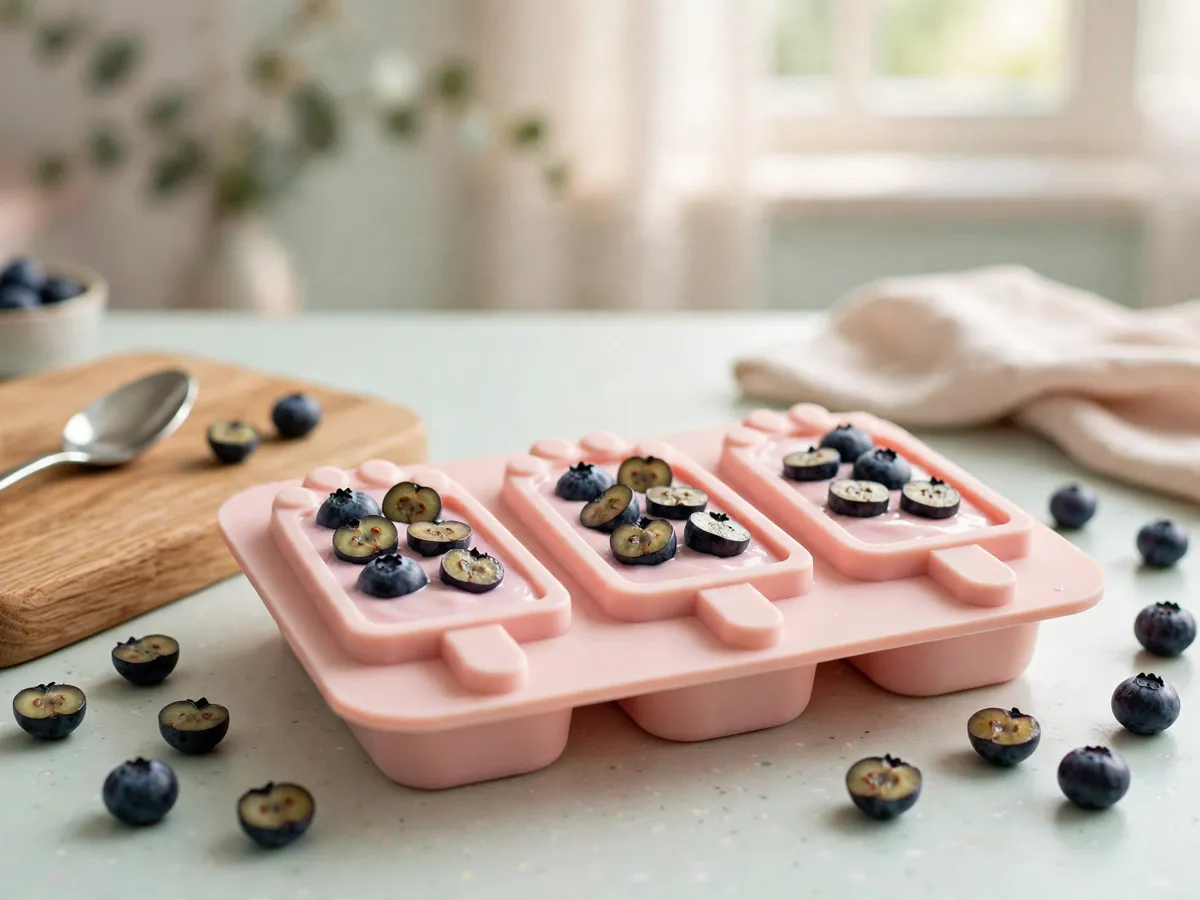
A dog that pants through the afternoon is a dog that would take an ice treat over a dry biscuit. The frozen treat lasts longer because the dog has to lap at it, and the cold is the point. A pupsicle is a silicone mold filled with yogurt and fruit, frozen solid, and handed to the dog on a mat or a plate. The mold is the shape, the freezer is the method, and the label check is the part that comes before anything goes in the mold.
The recipes on this page are not nutrition guidance. They are snack ideas for a dog that already eats the ingredients, cut small and frozen into a shape the dog can lap at. The daily food stays the daily food, and a frozen treat is a small addition to a hot afternoon, not a replacement for a meal. The recipe sheet at the end is a printable in the shape of a kitchen recipe card, and it lives on the fridge for the same reason any recipe does: so the next batch is the same as the last.
The Xylitol Label Check at the Front
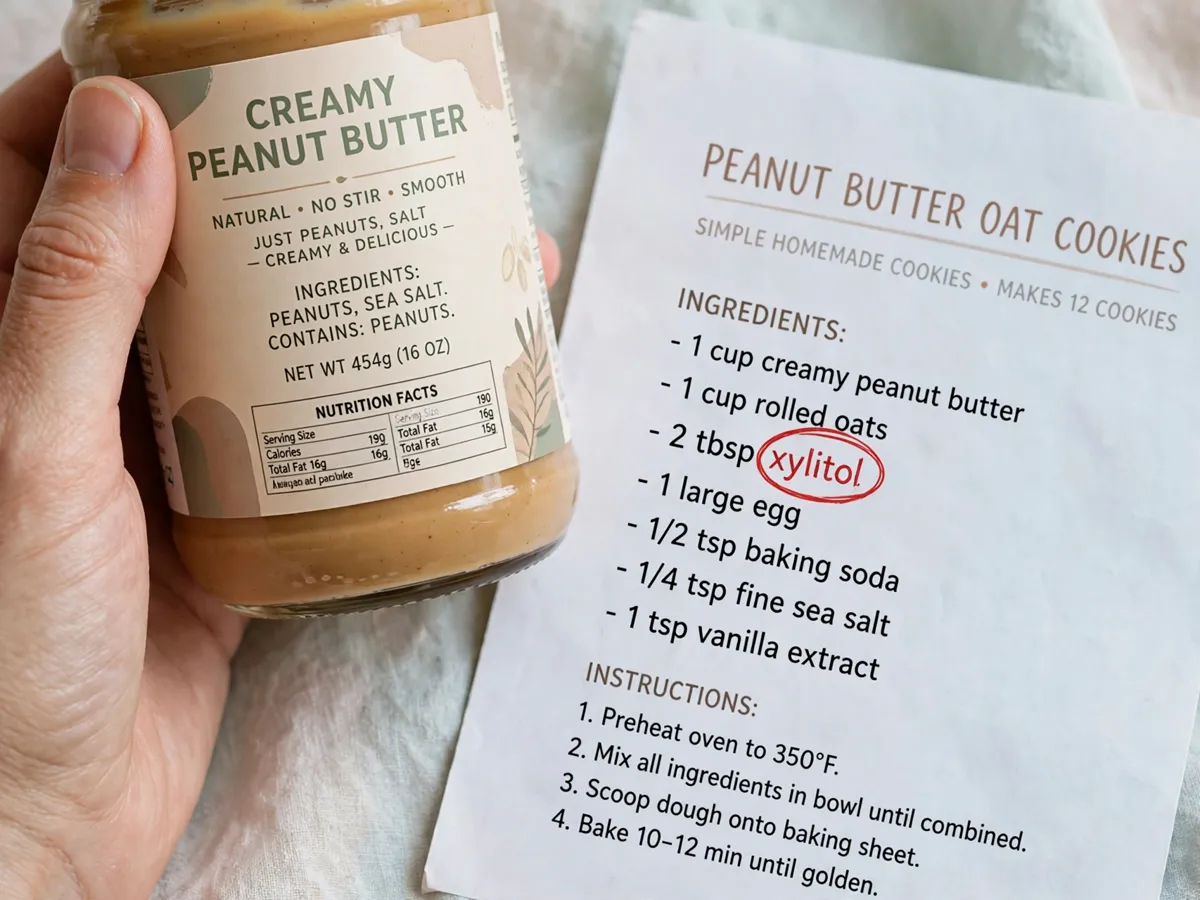
The label check is the first step of every recipe on this page, and it is the step the handler does before the yogurt or the peanut butter goes near the mold. The ingredient list on the jar is the only part that tells you whether a sweetener is in the product, and some brands use a name that is not the word xylitol on the front of the label. The handler reads the small print, scans for the sweetener, and if the word is there the jar goes back on the shelf and a different jar comes home.
The check is the same for yogurt. A tub of plain yogurt can carry an added sweetener that the front label does not shout about, and the ingredient list is the part that names it. The handler reads the list the same way they read the peanut butter jar: scan for the sweetener, and if it is there, the tub goes back. The peanut butter label check page has the full method and the names the sweetener hides behind, and it is the page to read once and remember.
The full list of foods that do not belong in a dog treat has its own page. The toxic foods list for dogs covers the ingredients that never go in a mold, and the frozen recipes on this page use only the fruits and bases that are on the safe side of that list.
Yogurt and Broth Bases for a Pupsicle
The base is the liquid that holds the shape and the fruit. A plain yogurt with no added sugar and no sweetener is the base that fills a silicone mold and freezes into a shape the dog can lap at. The yogurt goes in the mold, the fruit goes on top, and the freezer does the rest. The label check comes first, every time, because a yogurt that looks plain on the front can carry a sweetener in the small print.
A broth base is the other option, and it is the base a dog that cannot have dairy gets instead. A plain broth with no onion, no garlic, and no added salt is the liquid that freezes into a clear ice treat the dog laps at on a mat. The broth goes in the mold the same way the yogurt does, and the fruit goes in after. The handler reads the broth label the same way they read the yogurt tub, because a broth can carry an ingredient the dog does not need.
The substitution side of the bases has its own page. The treat ingredient substitutions page covers the swaps when the yogurt is gone, the broth is gone, or the fruit the recipe calls for is not in the kitchen, and it is the page to read before the second trip to the shop.
Fruit Ice Cubes a Dog Can Eat
A fruit ice cube is the simplest frozen treat. An ice cube tray, a fruit the dog can eat, and water or broth to fill the gaps. The fruit goes in first, cut to pea size so the frozen piece is not a shape the dog chokes on, and the liquid goes in after. The tray goes in the freezer, and a few hours later the cubes come out as small treats the dog laps at on a plate.
The fruits that freeze well are the ones the dog already eats. Blueberries go in whole. Watermelon goes in without the seeds, cut to pea size. Banana slices go in as half rounds. Grapes and raisins are never on the tray, and the full list of the fruits that stay out is on the toxic foods page linked above. The fruit ice cube is a snack, not a meal, and the portion stays small because the point is the cold, not the calories.
The fruit that goes in the mold is the same fruit the dog eats at room temperature. A dog that has not had blueberries before gets a single blueberry at dinner first, and the frozen version comes after the dog has eaten the fresh one with no trouble. The frozen treat is a new texture, not a new ingredient, and the ingredient is one the dog already knows.
Kong and Freezable Toy Ideas
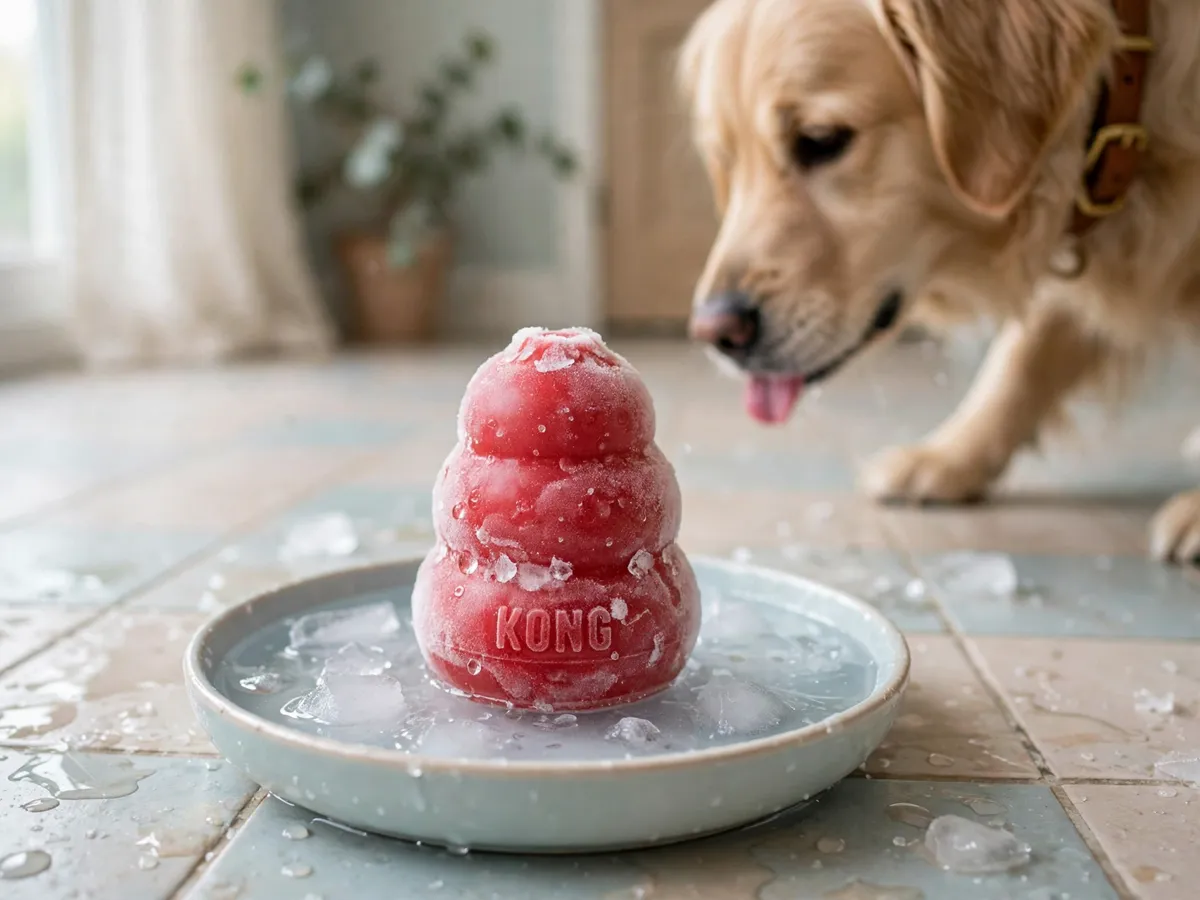
A freezable toy is the treat that lasts the longest. The handler fills the toy with a base the dog can eat, freezes it solid, and hands it to the dog on a mat. The dog laps and gnaws at the toy until the base thaws enough to come out, and the session is longer than a mold treat because the toy makes the dog work for it. The base is the same yogurt or broth the mold recipes use, and the label check is the same.
The toy is the shape and the freezer is the method. A smear of peanut butter on the inside of the toy, frozen solid, is the version a dog spends the most time on, and the peanut butter label check is the part that comes first. The no bake peanut butter recipe that the same jar goes into has its own page, and the no bake peanut butter treats page covers the room temperature version of the same ingredient for the months the freezer is not the point.
The freezable toy is also the slow feeder. A dog that eats fast at dinner gets a frozen base in a toy before the bowl, and the licking and gnawing slows the dog down before the meal arrives. The toy is not a replacement for the bowl, and the base is not a meal. It is a cold snack that occupies the dog for the duration of a warm afternoon, and the dog that finishes it is a dog that has had a slow, cold treat instead of a fast, dry one.
The Printable Recipe Sheet
The recipe sheet is the printable that lives on the fridge. It has the yogurt base, the broth base, the fruit ice cube, and the Kong fill, each with the label check at the top and the steps below. The sheet is a recipe card at heart: the ingredients, the method, and the note that says to read the label first. Print it, tape it to the fridge, and the next batch is the same as the last.
The sheet is for the handler who makes the treats and for the handler who is making them for the first time. The label check is at the top of every recipe on the sheet because the jar is the only part that tells you, and the sheet is the reminder that the check comes before the mold. The fruit list is short and the base list is short, and the sheet is the one page that has both in the same place.
Frozen dog treat questions
Why is the xylitol label check at the front of every frozen treat recipe?
Xylitol is a sweetener that can drop a dog's blood sugar and hurt the liver, so it never goes into a homemade treat. Some peanut butter and yogurt brands list xylitol under a different name, so the label is the only part that tells you. Read the label on every jar before the treat goes in the mold, and if the word is there, the jar stays on the shelf.
What yogurt base works for a frozen dog treat?
A plain yogurt with no added sugar and no xylitol is the base that holds the pupsicle shape and the fruit. The label is the part that tells you: if the ingredient list names a sweetener the dog cannot have, the tub goes back. Mix the yogurt with a fruit the dog already eats, freeze it in a mold, and the treat is ready when the weather is hot.
Can I put fruit in a frozen treat for a dog?
Yes, when the fruit is one the dog can eat. Blueberries, watermelon without the seeds, and banana slices freeze well inside a yogurt base. Grapes and raisins are out. Cut the fruit to pea size before it goes in the mold, so the frozen piece is not a choking shape, and keep the portion small so the treat is a snack, not a meal.
Save the Pupsicle Sheet
Pin the pupsicle recipes for the next hot afternoon. The Dog Food & Treats collection holds the label check page, the toxic foods list, and the substitution page that the recipes are built on.
Label check first, every recipe. Plain yogurt or broth base, fruit in pea size pieces, Kong fill frozen solid. For informational purposes, consult your vet.
The freezer and the dryer are two ways to keep a treat, and the the dry cousin of the pupsicle page is the shelf-stable one.