 PawStyle Daily
Dog Food & Treats
Dog Food for Picky Eaters: Behavior First, Bowl Second
A full bowl coming back full at the end of the day is one of the most frustrating sights in dog ownership, and the first instinct is usually the wrong one: buy a different bag. This page runs the sequence in the order that actually finds the answer: the reasons a dog skips, rotation on a plan, toppers, the routine that ends the standoff, and the signs that move the problem from the kitchen to the vet clinic. Most picky phases are behavioral, and behavior responds to structure before it responds to a new flavor. For informational purposes, consult your vet before any change touching a medical question.
By PawStyle Daily · Updated 23 November 2026
Good to know: track the skips before changing the food · rotation on a plan, never on a refusal · one topper, warmed, no buffet · for informational purposes, consult your vet.
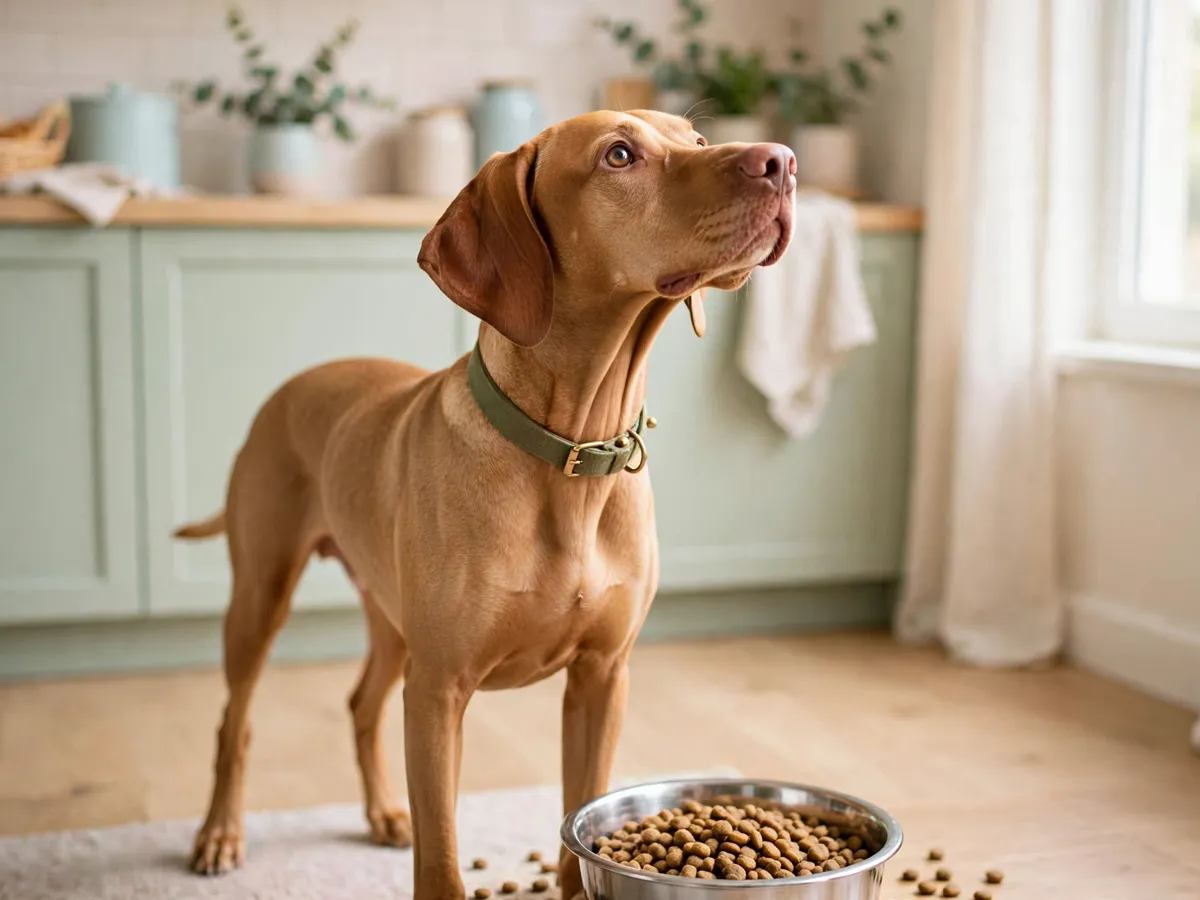
The Bowl That Comes Back Full
Start by separating two dogs that look identical at the bowl. The first is the dog that eats eventually, on its own schedule, after a lap of the room and a dramatic sigh; the bowl is empty by bedtime and the dog is thriving. The second is the dog that is losing weight, leaving food untouched for days, or working hard to avoid the meal entirely. The first is a temperament, and temperament is managed with routine. The second is a signal, and a signal gets a vet visit, not a topper.
The distinction matters because the two respond to opposite treatments. A temperament picky dog learns from consequence: food appears, food disappears, nothing dramatic happens in between. A signal picky dog gets worse when the owner runs an experiment instead of a checkup, because every week of trial and error is a week the real cause keeps going. The tracking habit below tells you which dog you have before any money is spent on bags the dog may refuse anyway.
Why a Dog Skips the Bowl
Before reaching for a new brand, walk the list of ordinary reasons a dog passes on a meal. Each one is checkable at home in under a minute, and each has a different fix.
- The food sat out too long. Kibble left down all day loses the smell that marks it as food, and a dog that sniffed it at breakfast has no reason to return at dinner.
- The bag is past its date or gone stale from a loose roll-top. Fat on the kibble surface turns rancid, and a dog's nose catches it long before a human's does.
- Too many treats are arriving between meals. A dog filled up on training rewards and table scraps has no appetite left at the bowl, and the skipping looks like fussiness but is arithmetic.
- The routine changed. A move, a new work schedule, a houseguest or a new baby all shift the household clock.
- The weather turned hot. Dogs eat less in warm weeks, and a dog that cleans the bowl in January may pick in July.
- The bowl itself. Some dogs dislike a deep bowl pushing their whiskers, or a stainless bowl sliding across the floor, or a plastic bowl holding old smells.
- Learned standoff. A dog that once got a topper after refusing dinner has learned the sequence: skip, wait, something better arrives. This one is the most common and the most fixable.
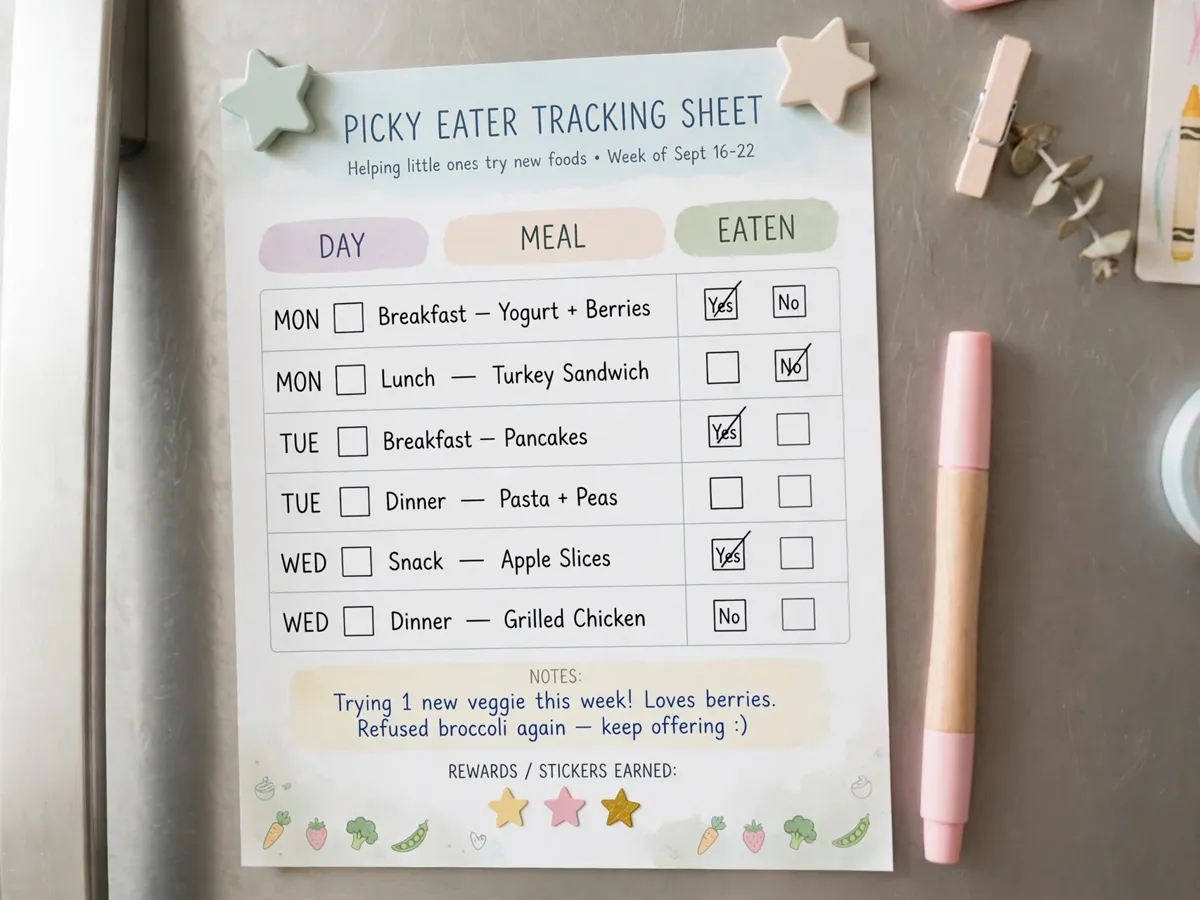
The tracking sheet is what turns this list from a guess into an answer. Tape it to the refrigerator and mark each meal: ate all, ate some, or skipped, plus what happened that day. Within a week the pattern usually names itself: skips every Friday when the neighbor visits, skips only breakfast since the schedule moved, ate everything until the new bag was opened. A pattern you can see is a cause you can act on, which is the whole point of behavior first.
Rotation: The Same Bag Does Not Last Forever
Some dogs genuinely lose interest in a flavor they have eaten for months, and rotation is the honest answer to that, with one condition: the change happens on the owner's calendar, not the dog's. A rotation run on refusals teaches exactly the wrong lesson, that holding out summons a new bag. A rotation run on a plan looks different: the dog finishes one bag, and on the switch week the next food arrives, chosen in advance, swapped gradually so the stomach travels with the tongue.
The mechanics stay simple. Keep the new food in the same category the dog already does well on, mix a small share of the new into the old on the first days, and let the share shift across the week until the bowl is fully the new food. The rotation switch basics page walks the day-by-day version, and it applies the same at any age. Two cautions keep the rotation honest: read the new label so the calories and feeding amounts stay matched, and rotate between flavors, not into a buffet where the bowl becomes a daily vote.
Rotation also answers a quieter problem: the household that has been on one food so long the dog has never seen a meal be anything else. Curiosity is a real part of appetite for dogs the way it is for people, and a planned change every couple of bags keeps the bowl from becoming wallpaper.
Toppers That Wake the Bowl Up
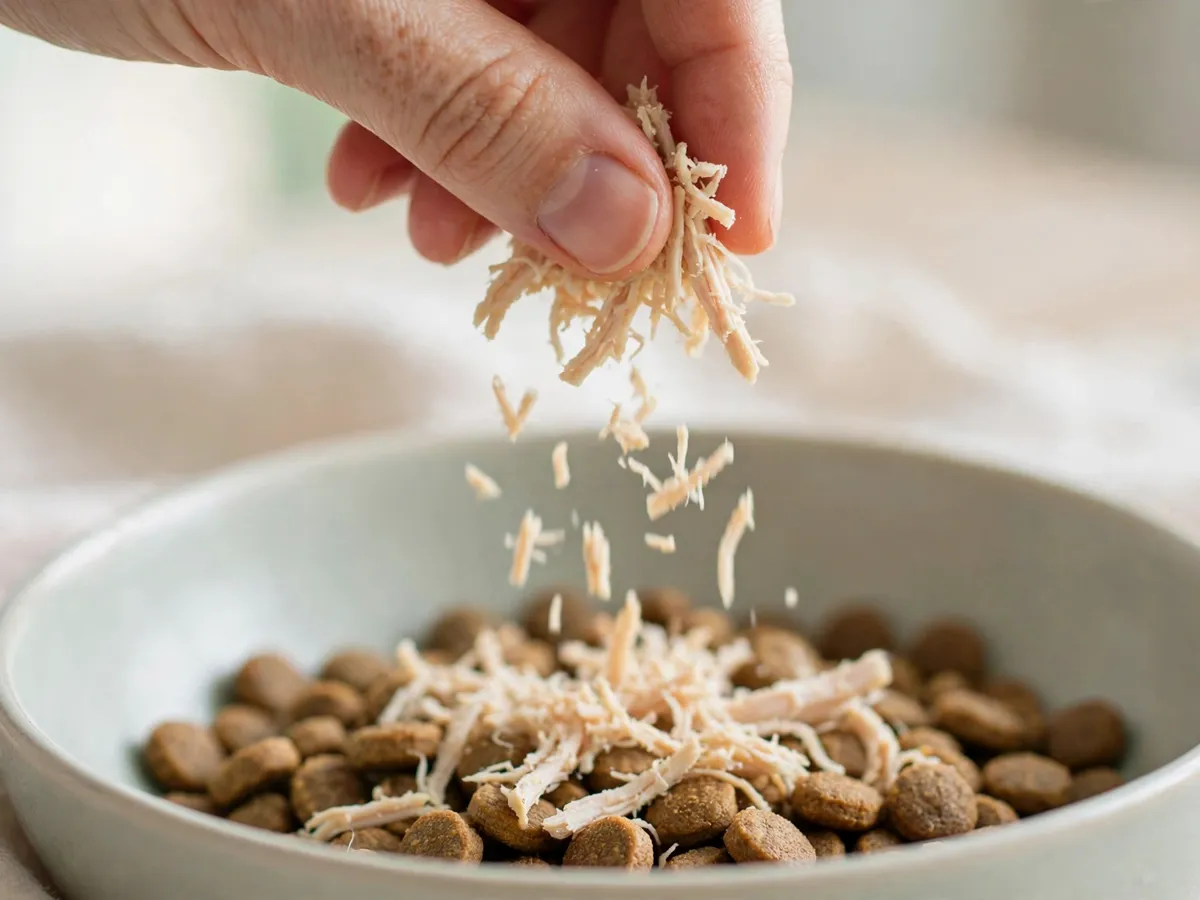
A topper is a small addition that makes the meal smell like something worth arriving for, and it does its work through the nose more than the mouth. The rule that keeps a topper from backfiring: it goes on the bowl the dog already has, in a small amount, and it never becomes the meal. Sprinkle, stir once so the smell travels through the kibble, and serve.
Warmth is the second tool, and it is free. A spoonful of warm water stirred into kibble carries the smell across the room, which is how a dog decides the food is worth approaching in the first place. Warming a soft topper does the same. Between the sprinkle and the warm stir, most ordinary standoffs end without any new bag being purchased, because the issue was never the food, it was the invitation.
The recipes, the safe ingredient list and the storage rules live on their own page, because topper making is a skill with its own cautions: the homemade food toppers page covers what to keep in the freezer and how much of a topper counts as small. One boundary belongs here though: a topper is a course-correction for a healthy dog mid-standoff, not a reward for refusing.
The Routine That Ends the Standoff
Everything above leads here, because the pattern behind most learned pickiness is not about food at all. It is about who controls the sequence. Dog skips, owner hovers, owner adds something, dog eats a little, owner worries, more something arrives, and the dog learns that the bowl is a negotiation table. The fix is a routine the house can count on, and it has four parts, each dull on purpose.
- Meals happen at set times, at the same two spots in the day, and the bowl goes down whether or not the dog seems interested.
- The bowl stays down for a short window, then comes back up whether the food is finished or not. No commentary, no coaxing, no follow-up snack.
- Between meals, the kitchen stops being a vending machine: treats track the training plan and the day's calories, not the dog's negotiations.
- Exercise happens before meals, not after, because a dog that has moved arrives at the bowl actually hungry.
Hold the routine for a steady stretch and the arithmetic takes over. A healthy dog offered food on this structure eats when it is hungry, and the drama leaves the meal because nobody is auditioning for the role of short-order cook. The first few days of a firm routine feel worse than they are: watch the tracker, not the dog's eyes, and if the sheet shows eating returning within the week, the behavior was behavior, and the routine is now the household's default.
The Signs That Turn Picky Into a Vet Visit
Behavior first does not mean vet never. It means the vet visit has specific triggers, and knowing them is what lets the behavioral work proceed calmly. Take the dog in when the skip stretches past a couple of days on a routine the dog has accepted, when the refusal arrives alongside drooling, pawing at the mouth, vomiting, or a weight drop the ribs now show, or when the dog refuses the very treats it usually works hardest for.
Weight is the tell that separates the two dogs fastest, and the rib check is the tool: the puppy body condition page shows how to read ribs, waist and tuck on any dog, and it works at every age. Run the check while the picky phase unfolds, once a week, same hands, same spot. A dog that skips a meal here and there while holding its condition is doing temperament. A dog whose condition is sliding is sending the signal, and the signal outranks every tip on this page.
One last boundary for the whole page: nothing here takes the place of a veterinarian's read on a sick dog, and no topper, rotation or routine should override a veterinarian's instruction. If the dog is on a prescription food or a medical plan, the feeding questions belong to that plan. For informational purposes, consult your vet.
Picky eater questions
Why does my dog skip food that it ate fine last week?
A dog skips a bowl for reasons from the ordinary to the medical: the food sat out past its fresh window, the bag is past its date, the routine changed, the weather turned hot, or the mouth hurts. Track the skips on the sheet before changing the food, because the pattern is the information. A dog that skips but takes a treat is saying something different.
Is rotating dog food a fix for a picky eater or does it create a fussier dog?
Rotation works when it changes on a plan, not on a standoff: swap to the next flavor or protein after the bag runs out, on a week you choose, not the night the bowl comes back full. A rotation the owner drives keeps the appetite curious, while a swap the refusal drives teaches the dog that holding out wins. Read the new label so the switch stays even.
When does picky eating need a vet visit instead of a topper?
Take the dog in when the skip stretches past a couple of days, when the refusal comes with drooling, pawing at the mouth, vomiting, or a weight drop the ribs show, or when the dog refuses the treats it usually works for. The topper is a tool for the ordinary standoff, not a cover for a mouth that hurts. The body condition page shows the rib check.
Save the Picky Eater Sheet
Pin this page for the next standoff, and start the tracker before changing anything: the pattern is the information that every later decision runs on. The picky eater label checks page pairs with it for the day a new bag does enter the rotation.
When the answer turns out to be the invitation rather than the food, the homemade food toppers page has the recipes ready.