 PawStyle Daily
Cat-Friendly Home
Senior Cat Peeing Outside the Litter Box: What Changes
A senior cat peeing beside the box instead of in it is a message before it is a problem. The message is rarely about spite and almost always about change: joints that make the entry wall feel taller than last winter, a fill that no longer feels right under paw, or a body that is working differently than it did at 9 years old. This page walks through what aging actually changes for the box trip, the weighing habit that gives you a head start on decline, and the setup that keeps an older cat coming back.
By PawStyle Daily · Updated 19 November 2026
Good to know: age changes the trip, not the cat · weight log on the same scale · unscented clumping fill, bare box · for informational purposes, consult your vet.
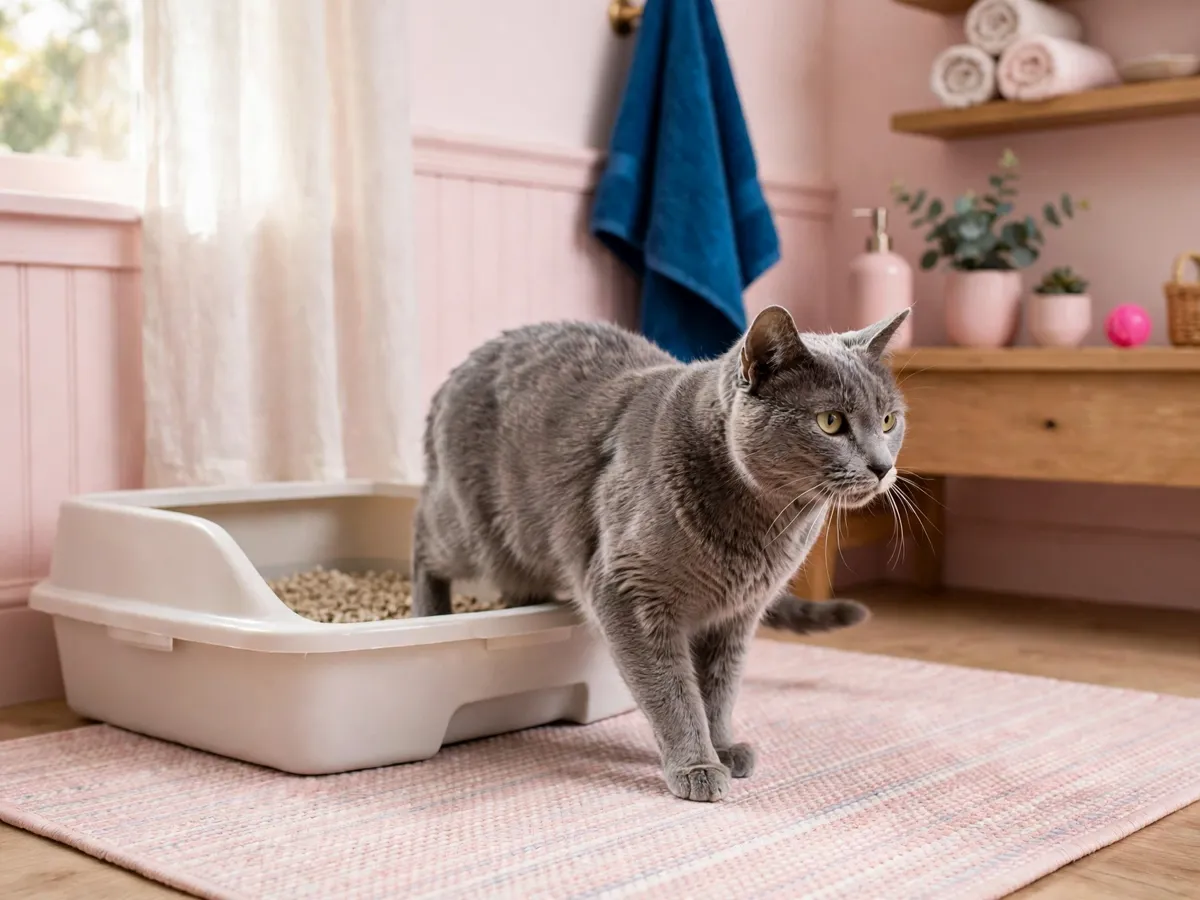
A miss is a message, not a grudge
The first move when an older cat misses the box is to drop the story of spite. Cats do not retaliate through the litter box. What they do is report: the box felt too far, the entry felt too high, the fill felt wrong on the paws, the trip crossed a hallway that suddenly felt loud. Reading the miss as information changes the response from frustration to troubleshooting, and troubleshooting starts with two tools this page covers below: a scale and a box setup that matches the cat the household has now rather than the cat it adopted.
The cleaning side of the same problem has its own page. The litter box cleaning schedule covers the daily scoop and the monthly scrub that keep any box, old cat or young, worth returning to.
When a cat counts as older
Cats are now considered older at 12 to 14 years of age. That is the window when the small frictions of the box trip start to matter: the entry lip that was nothing at 6 years old becomes a step, the basement box becomes a journey, the fill that always felt fine starts to feel different on stiffer toes. None of that means a cat of this age is unwell. It means the household clock has moved into the years where comfort decides whether the trip happens where it should.
The age line is a reminder to adjust the room, not a schedule of decline. Plenty of cats in this window use the same box they always did. The ones who start missing are the ones whose environment stopped matching their joints, their pace or their senses, and the sections below put those three back in line.
The signals worth acting on
The misses tell you where to look. A puddle right beside the box points at the entry or the fill. A puddle at the bottom of the stairs points at the journey. A cat who digs with real effort and then walks away points at a box that has become work. Each pattern maps to a fix in the setup section, and none of the patterns call for a new cat, only a new arrangement.
Some changes do not show up on the floor at all until they are far along, which is why the scale earns its own section below. Weight drift in either direction is quiet, and a log catches it while it is still a conversation with the vet rather than an emergency. A cat who strains, cries or keeps visiting without producing anything skips the log and goes straight to the vet the same day.
The weighing habit that catches decline early
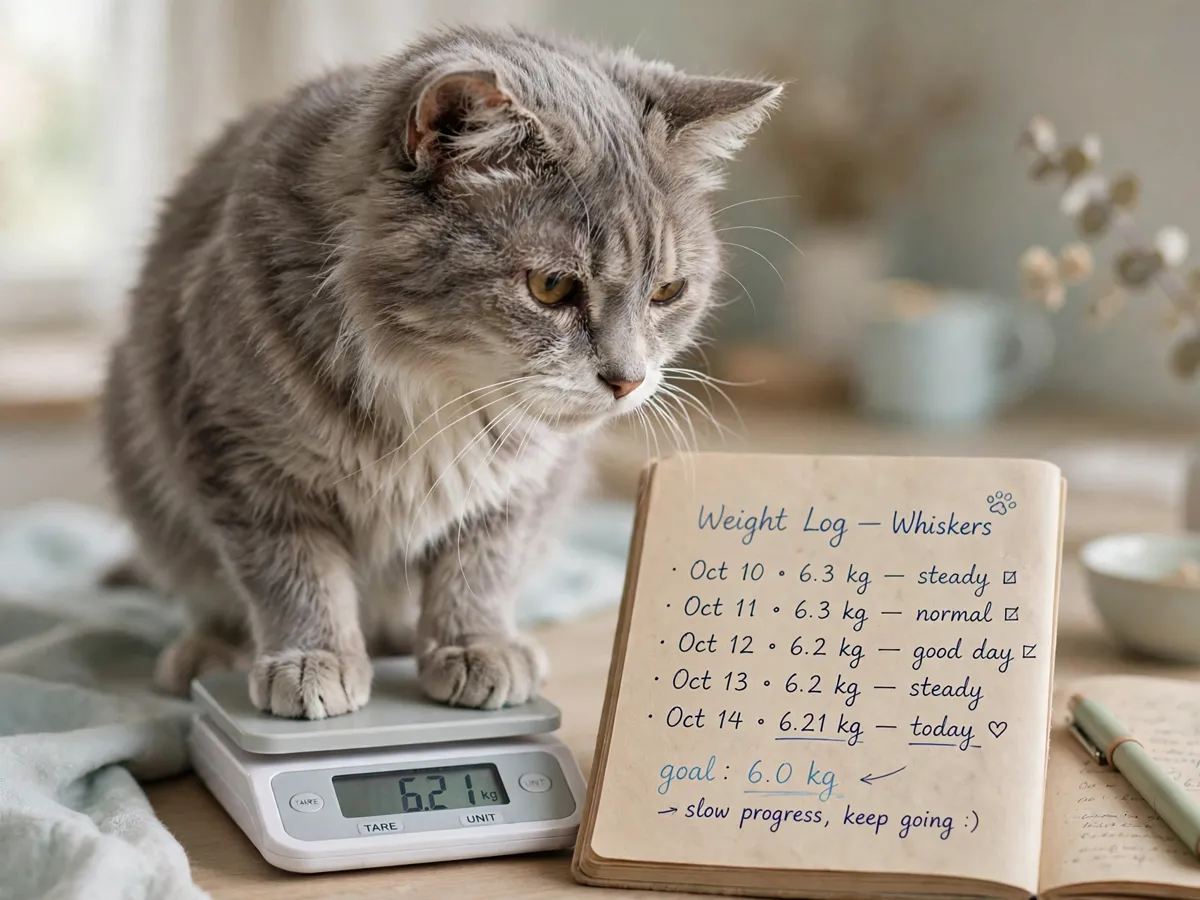
Weigh a senior cat on the same scale at least every two months, because a change in weight can be an early sign of disease. The habit takes less time than scooping the box: the cat steps on, the number goes in a notebook or a phone note, and the log does the watching. The same scale matters because bathroom scales disagree with each other by more than a cat weighs, so a cross-scale comparison can read as change when the cat has not changed at all.
The log is not a chart to worry over, and it is not a target to hit. It is a history to hand the vet. Two months of steady numbers is reassurance you can see; a drift in either direction is an early question worth booking a checkup for. The senior cat vet checkup page walks through what that visit covers for an older cat, so the log has a place to go when it shows something.
The box setup an older cat returns to
The fill comes first because the paws vote on it every time. The litter should be a fine, sand-like, non-scented, clumping material, and liners, slotted grills and deodorizing powders are best avoided. Older toes are more particular than young ones: scented fills read as strong, thick liners bunch under paw, and a grill turns the exit into an obstacle. The bare box with a fine unscented clumping fill is the version an older cat trusts, and it is also the cheapest version on the shelf.
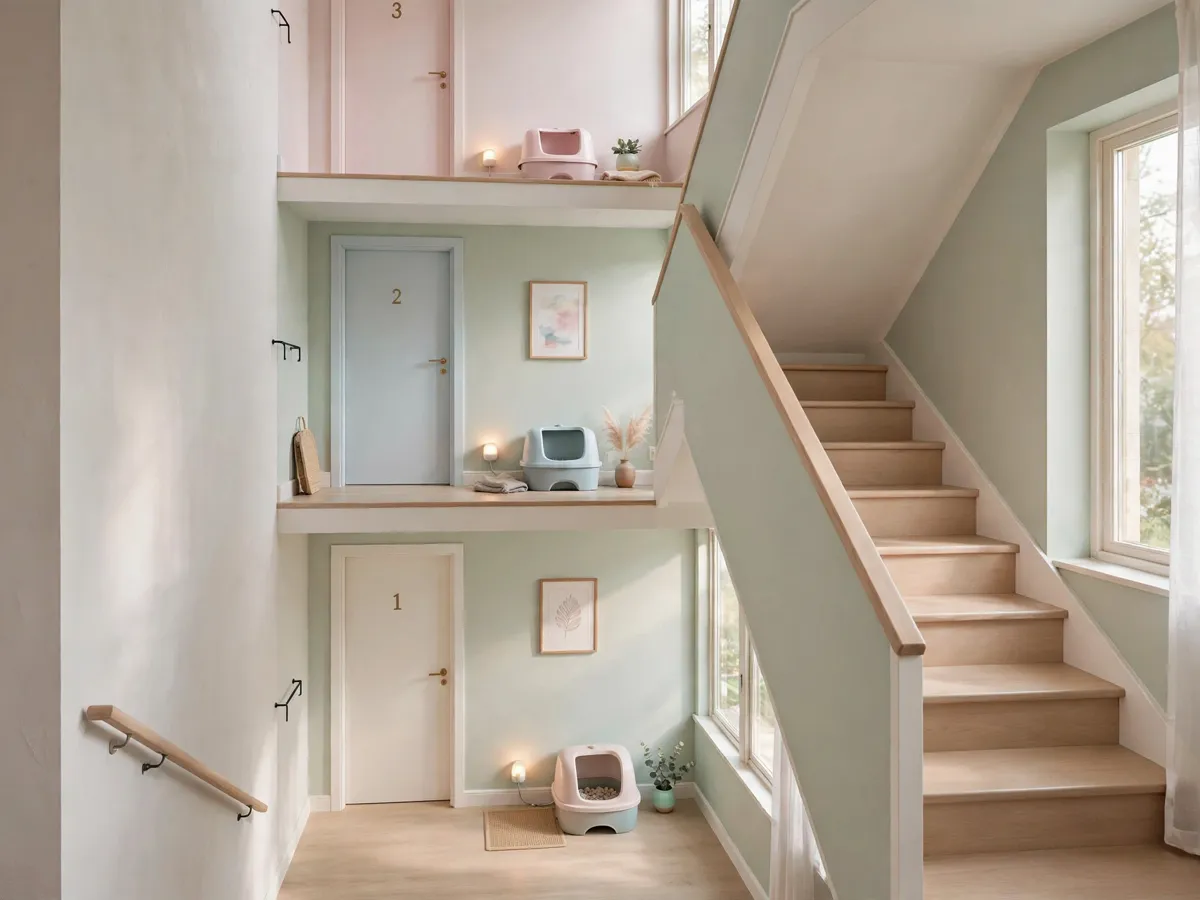
The geometry comes second. A low entry, or a cut-down side on a standard storage box, removes the step that stiff hips slow down for. One box on every floor the cat actually walks means the upstairs nap never requires a trip to the basement, and a night light on the hallway route keeps the 3am journey visible to eyes that no longer adjust to dark rooms as fast as they used to. The location stays put: an older cat forgives a lot, but a box that relocates reads as a box that vanished.
Together the fill and the geometry answer most senior misses inside a couple of weeks of steady use. If the misses continue on a setup the cat has accepted, the vet visit moves up the list, because the room has done its part and the body deserves a look.
Senior cat litter box questions
At what age is a cat senior?
Most cats cross into their older years in the early teens, and the care routine shifts with them.
Should the box setup change for an older cat?
Lower entry walls, a box on every floor the cat walks, and the same unscented fill in the same spot make the trip easier on stiff joints.
When is peeing outside the box urgent?
A cat that strains, cries or keeps visiting without producing anything needs a vet the same day.
Save this senior cat guide
Pin it for the next time the floor tells you something, and keep the scale log going even when the box is calm. The Cat-Friendly Home collection holds the cleaning schedule and the rest of the aging setup.
This page follows the pee; the poop outside the box at any age page follows the other miss, for cats of every age.
This page follows the older cat's miss; the all ages cause tree follows the same accident at any age.