 PawStyle Daily
Cat-Friendly Apartment Decor
How Often to Clean a Cat Litter Box: Full Schedule
A litter box is the one thing a cat uses every day, and the box a cat uses every day is the one the family cleans every day. The schedule is the piece that keeps the box usable and the cat willing to come back, and the schedule is the one this page lays out. The page walks the daily scoop, the weekly top-up, the monthly deep clean, the litter and the cleaning products that belong in the routine, and the signs that point the family to the veterinarian. Nothing here names a brand, and nothing here replaces a veterinarian.
By PawStyle Daily · Updated 19 November 2026
Daily scoop · weekly top-up · monthly deep clean · the right litter and the right cleaning products.
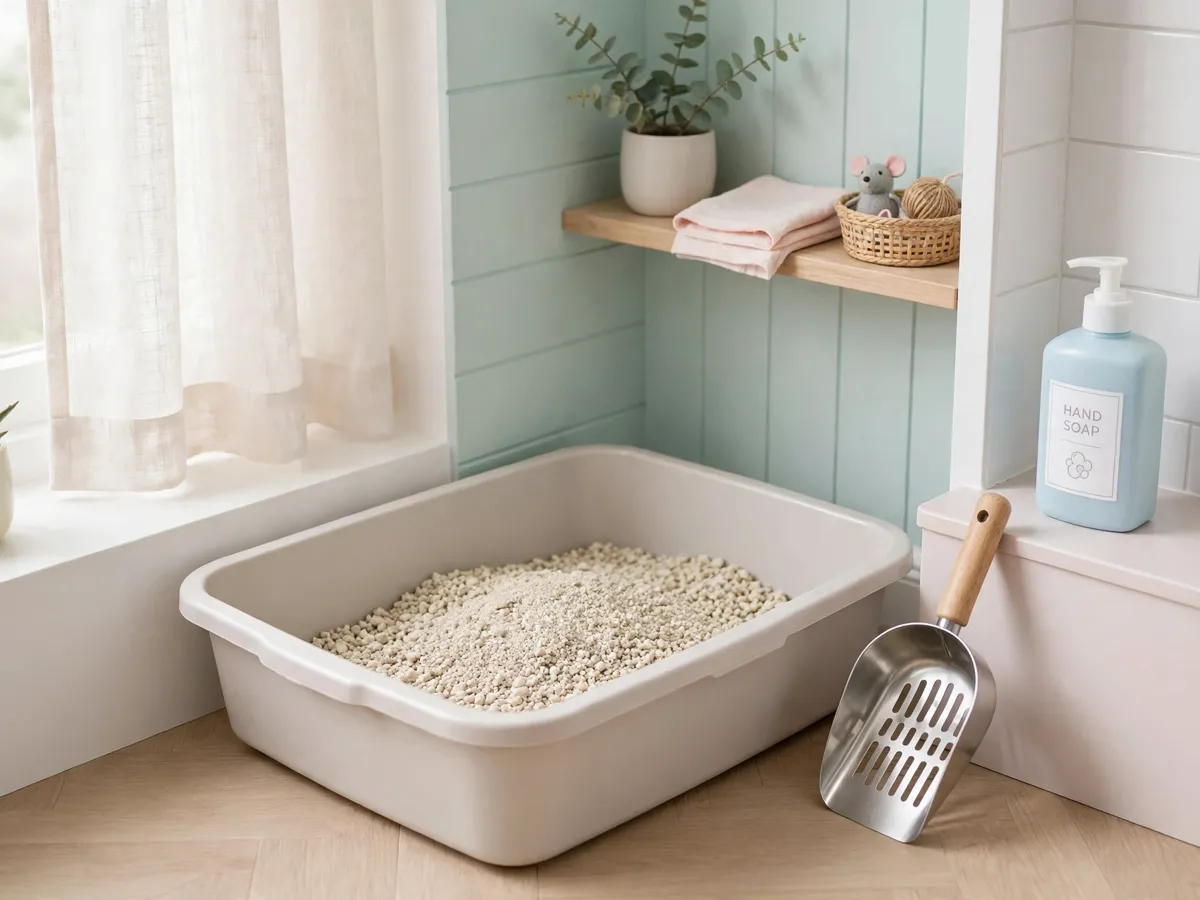
Why a schedule keeps the box and the cat in the same routine
A cat is an animal that likes a clean box, and a cat that finds a dirty box is a cat that looks for another spot. The schedule is the piece that keeps the box in the same place, and the schedule is the one that keeps the cat coming back. A family that scoops once a day is a family the cat can count on, and the counting is the part that keeps the box a place the cat wants to be.
The schedule is also the piece that keeps the smell down and the box fresh. A box that is scooped daily and washed often is a box the family does not smell, and the family is the one the neighbors do not notice. The schedule is the piece that keeps the box out of the family's nose and out of the visitor's nose, and the schedule is the one that does it without effort.
The box is one piece of a cat-friendly room, and the room has other pieces. The best clumping cat litter page holds the litter the box uses, and the litter box odor control page holds the wider smell plan. The schedule on this page is the one that keeps the box the family already has, and the two pages hold the pieces around it.
The daily scoop
Remove waste from the litter box at least once a day, and wash the box every one to four weeks. That line is the one the daily scoop sits inside. The scoop is the piece the family does at least once a day, and the scoop is the one the cat notices most. A cat that finds a clean box in the morning is a cat that uses the box again in the afternoon, and the scoop is the piece that keeps the two from meeting.
The scoop is the piece the family is tempted to skip, and the scoop is the one the family should not. A box that goes a day without a scoop is a box the cat starts to avoid, and a cat that starts to avoid the box is a cat the family has to win back. The daily scoop is the one habit that costs the family the least and gives the cat the most, and the daily is the piece the schedule is built on.
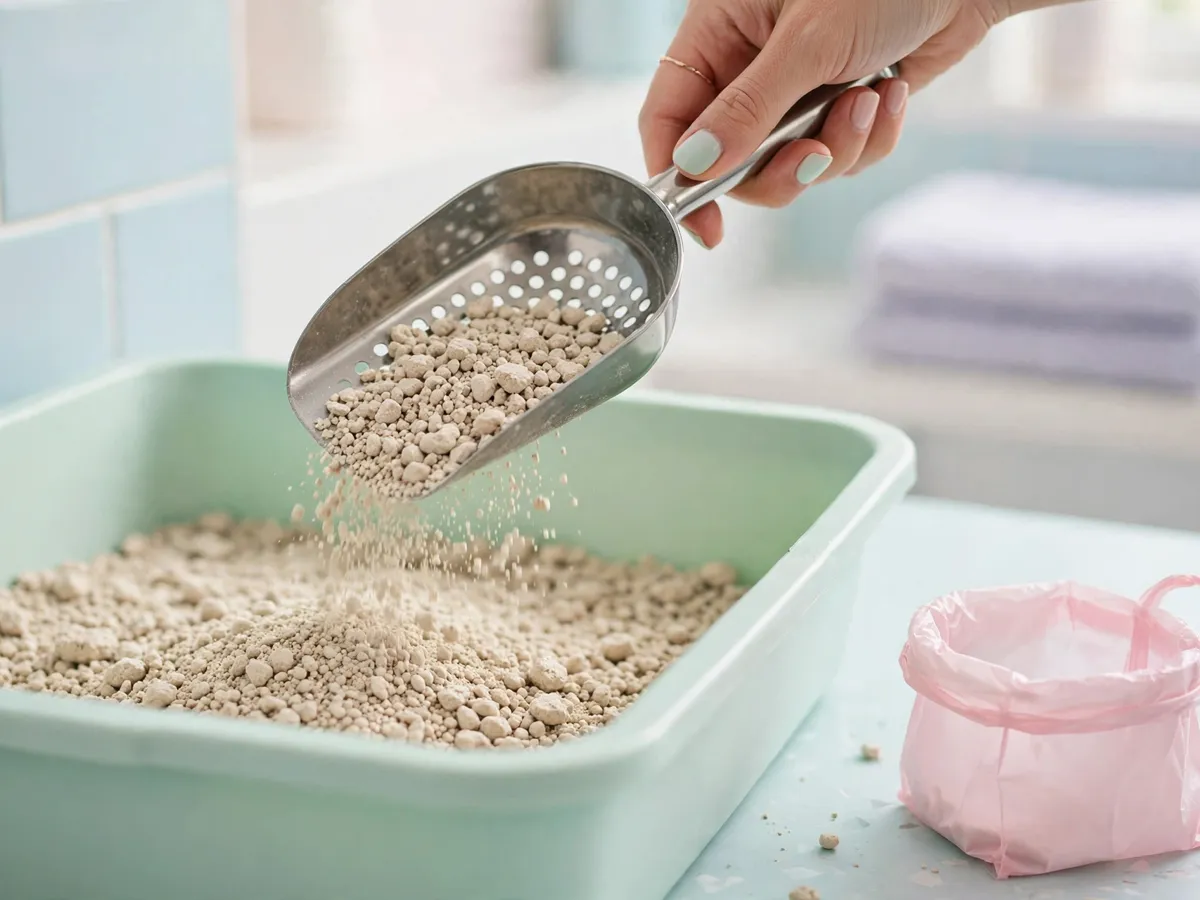
The scoop itself is a tool the family can keep beside the box, and the scoop is the one the family uses the same way every day. A sifting scoop is the one most families pick, and the sifting is the piece that lets the clean litter fall back and the waste come out. The daily routine is the one the family builds around the scoop, and the routine is the one the cat can count on.
The number of boxes is the other piece of the daily work. A home with one cat runs one box, and a home with two cats runs two. The boxes multiply the scoops but not the thinking, and the family that scoops one box a day is the family that can scoop two. The daily habit is the same habit at any scale, and the habit is the one the cat notices no matter how many boxes the family keeps.
The weekly top-up and box check
The weekly top-up is the piece that keeps the litter depth where the cat likes it. A box that loses litter over the week is a box the cat finds shallower, and a shallow box is a box the cat may start to avoid. The top-up is the piece the family does once a week, and the top-up is the one that keeps the box full without the family having to wash it.
The weekly check is also the piece the family uses to look at the box itself. A crack, a stain, a worn corner - the sticker is a sign the box is ready for a wash, and the weekly check is the one the family uses to catch the signs before the box gets bad. The weekly top-up and the weekly check are the two pieces that sit between the daily scoop and the monthly wash, and the two are the ones that keep the box in shape between the deep cleans.
The monthly deep clean
The monthly wash is the piece that starts the box over. Wash the box with soap and hot water only, and avoid strong chemicals or any ammonia-based product. That line is the one the monthly wash sits inside. The wash is the one the family does every one to four weeks, and the wash is the one that takes the box back to clean, and the wash is the piece the cat notices most.
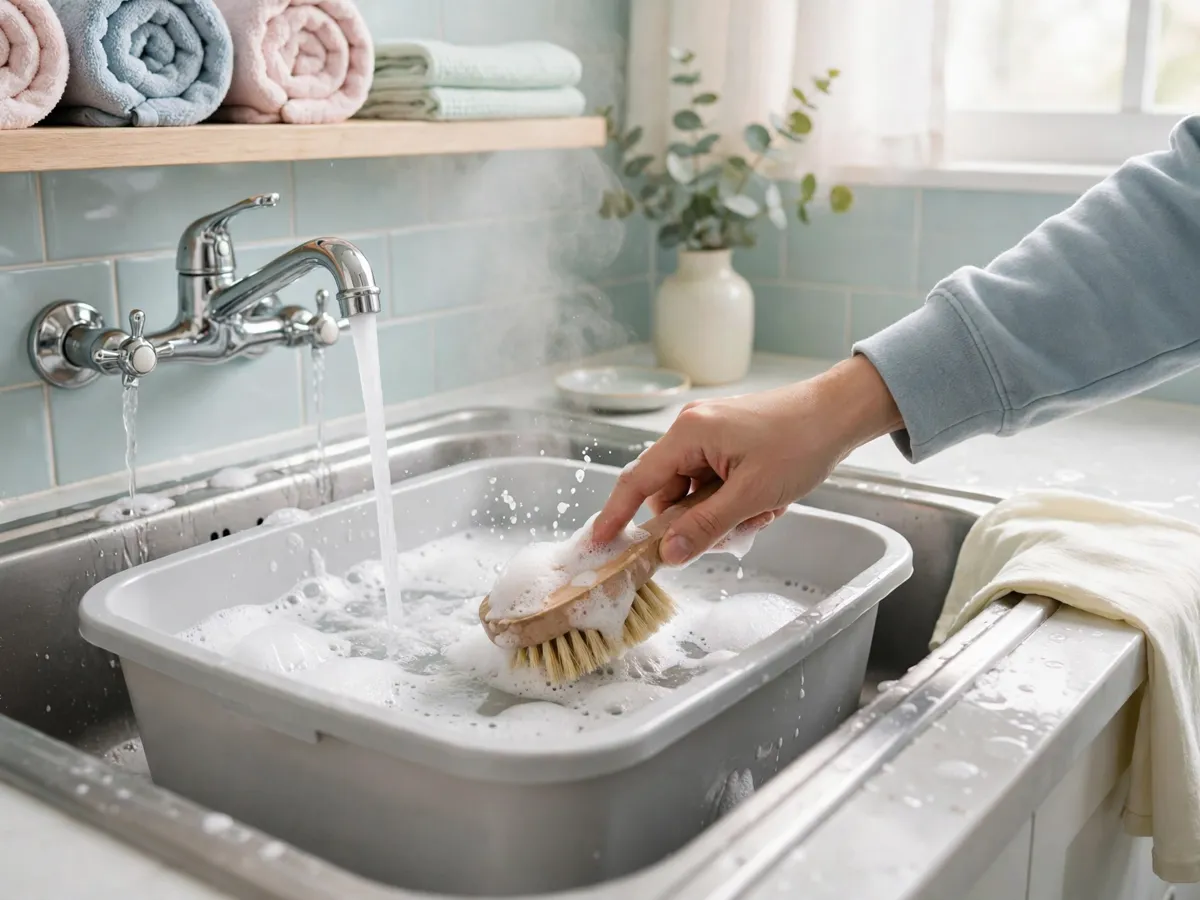
The wash is the piece the family does in a utility sink or a tub, and the wash is the one the family does away from the cat's food. The old litter goes out, the box gets a scrub, and the fresh litter goes in. The monthly wash is the one the family does before the box starts to smell, and the monthly is the piece that keeps the box from ever reaching the point the family has to scrub.
The wash is also the piece the family uses to check the box for wear. A box with a cracked lid or a stained bottom is a box the family can replace, and the monthly wash is the one the family uses to decide whether the box has another month in it. The wash is the piece the cat counts on, and the wash is the one the family can feel good about.
The drying is the last step, and the drying is the one the family does not skip. A box that goes back into service still wet is a box the fresh litter clumps in the wrong places, and the wet corners are the ones the litter sticks to. The family that lets the box dry in the air is the family that pours the fresh litter into a dry box, and the dry box is the one the cat walks into without hesitation. The air dry costs the family an afternoon, and the afternoon is the one the monthly schedule already has.
The litter and the cleaning products that belong
The litter should be a fine, sand-like, non-scented, clumping material, and liners, slotted grills and deodorizing powders are best avoided. That line is the one the litter the box uses sits inside. The litter is the piece the cat digs in and the family scoops, and the litter is the one the cat can feel under its paws. A fine, clumping litter is the one most cats accept, and the non-scented is the one the cat's nose prefers.
The cleaning products are the other piece. A box that is washed with soap and hot water is a box the family can feel good about, and a box that is washed with strong chemicals is a box the cat may avoid. The ammonia-based product is the one the family should not use, and the ammonia is the piece the cat's nose picks up even when the family cannot. The soap, the hot water and the elbow grease are the three pieces the monthly wash is built on, and the three are the ones the family already has.
The products the family avoids are the ones the schedule does not need. A liner is a piece the family can skip, and a slotted grill is a piece the family can pass on. A deodorizing powder is a piece the family can leave on the shelf, and the powder is the one the cat's nose picks up even when the family does not. The schedule is the one that keeps the box clean without the extras, and the family is the one that keeps the extras out.
Questions about cleaning a cat litter box
How often should I scoop the litter box?
At least once a day. The daily scoop is the one habit that keeps the box usable and the cat willing to return.
How often should I wash the litter box?
A full scrub-down with plain soap and hot water roughly once a month, or more often in a multi-cat home. Skip the harsh cleaners and anything with ammonia in it.
What litter is best for a clean box?
A fine clumping litter with a sand-like texture and no added scent. Skip the liners, grills and deodorizing powders - the bare box with the right litter is the one the cat wants.
The litter box starter kit
The scoop, the litter and the mat that a clean box is built from
A sifting scoop, a bag of fine clumping litter, and a tracking mat that keeps the scatter off the floor - the three pieces a clean box is built from, and the ones a family can replace often.
See the litter box starter kit →As an Amazon Associate we earn from qualifying purchases.
Save these on Pinterest
Pin the cleaning schedule for the next month you fill, or send it to a friend with a new cat. The Cat-Friendly Home collection holds the litter guide, the odor control page, and the houseplants guide that run beside this one, so a family can keep the room the cat lives in.
For informational purposes, consult your vet.
The cleaning rhythm changes on the road, and the litter on the road page walks the trip version.
Enclosures change the cleaning math a little, and the the covered box cleaning rhythm page walks that version of the week.