 PawStyle Daily
Cat-Friendly Home
Cat Peeing Outside the Litter Box: The Cause Tree
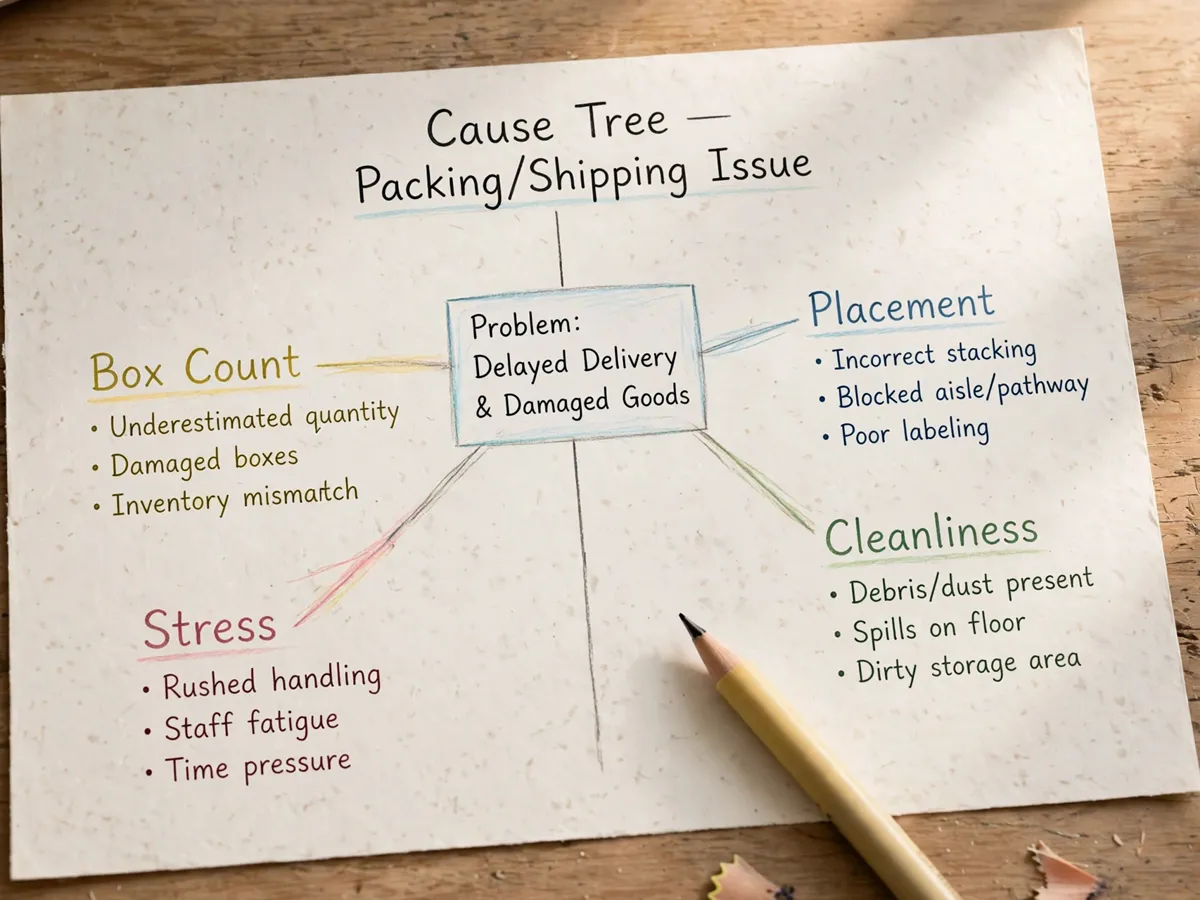
A cat peeing outside the litter box is reporting, not rebelling, and the report has branches. The box itself, the corner it stands in, the number of boxes in the home, the cleaning habit behind them, the state of the household this week, and the body of the cat using all of it. Most owners start at the wrong branch, the one that blames the cat, and the whole page exists to move that branch to the bottom of the list where it belongs. This is the cause tree for a cat of any age: what goes to the vet first, what gets read second, and what gets fixed at home for the rest of the branches.
By PawStyle Daily · Updated 24 November 2026
Good to know: a triage guide, not a medical workup · for informational purposes, consult your vet.
The Pee Outside the Box Read
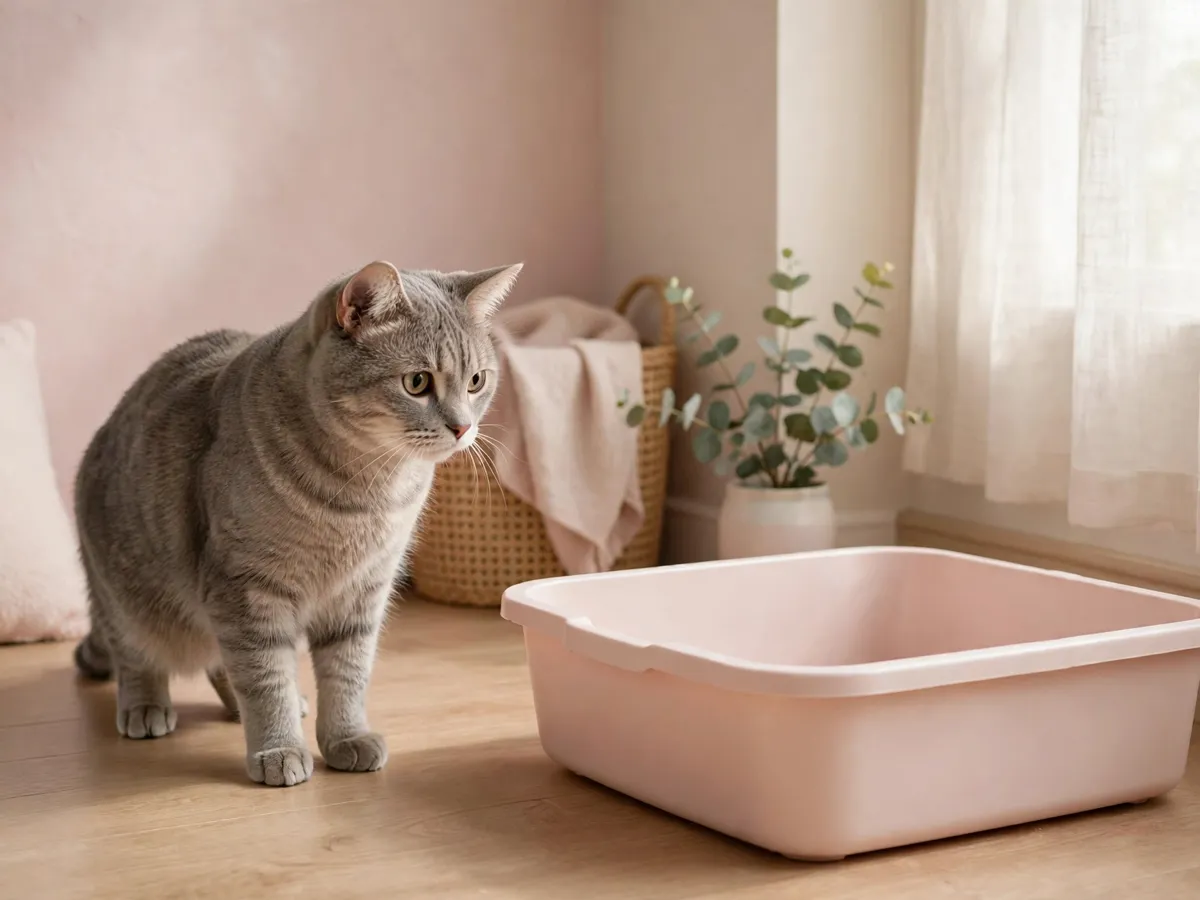
The read starts with the spot, because the spot carries information. A cat that misses the box on a smooth floor near the entrance is often telling a story about the box rather than the bladder: the rim was too high, the liner crinkled, the hood trapped a smell. A cat that chooses one specific spot every time, a bathtub, a pile of laundry, the corner of a rug, is choosing a surface, and the surface is the clue. The location is the first column of the tree, and it is worth writing down before anything else gets changed.
The second column is timing. A habit that appeared overnight in a cat that was reliable for years points at an event: a move, a new person in the house, a change of litter bought in a hurry. A habit that crept in over weeks points at the box itself, quietly getting worse, a cleaning schedule that slipped, a box that filled past what the cat will tolerate. The two columns together narrow the tree to one or two branches, and the rest of this page walks those branches in the order they should be checked.
The Signs That Go to the Vet First
Some branches skip the home read entirely. Straining in a posture without producing, crying during the attempt, visiting the box over and over with nothing to show, blood visible in the stream or on the floor, a cat that seems to be licking one spot constantly: these are appointments, not experiments. A cat that stops using its box needs a veterinarian, because house-soiling has its own veterinary guidelines, and the medical causes come before the behavioral ones in the order they get ruled out.
The reason the vet branch sits at the top of the tree is practical as much as medical. A cat in discomfort learns to associate the box with the discomfort, and the box itself becomes the scary object, so the behavioral layer builds on top of the physical one and both have to be unwound. Fixing the litter situation around a cat whose body is the problem wastes the week and delays the appointment. The home branches below assume the vet has been seen, or that the signs above are absent, and the cat is otherwise eating, acting and moving normally.
The Box Count Question
Count is the first home branch, and the arithmetic is not the interesting part. The interesting part is what a shortage does in a multi cat home: one box becomes a contested resource, a cat waits, the wait becomes unpleasant, and the cat finds a floor that never asks permission. The full formula, the per cat math and the apartment layout that makes it work in a small footprint, belongs to its own page: the litter box count per cat page owns that detail.
What the count branch asks here is simpler: are there enough choices, and are they spread? Boxes lined up in a row in the same utility closet read to a cat as one box, because it is one location with one exit and one set of smells. Two boxes in two rooms are two boxes. The rule that travels with the count is the separation rule: keep the litter box away from the food and water bowls, and give each resource its own spot so the cat has a choice. A cat that eats beside its toilet is a cat being asked to use a bathroom it cannot relax in.
Placement and the Corner Nobody Watched
Placement is the branch most owners never check, because the box has always been there. The corner the box got in the spring is the corner the washing machine moved into in the summer, the corner the hallway became a thoroughfare in the fall, the corner a second cat learned to ambush from. A box in a low traffic dead end is a box a cat can relax in; a box with one exit and a noisy appliance beside it is a box a cat visits at speed or avoids.
The read takes a cup of coffee and no equipment. Walk the box's corner as the cat experiences it: how many ways in and out, what can be heard from inside it, whether anything at eye level moves, whether the floor is cold or drafty, whether a second cat can see the box from the window. Then compare that to the spot the cat chose instead, because the chosen spot is the answer to the question the box failed. Moving a box is a change, and a cat that has already told its story deserves a move made slowly, with the old corner left smelling faintly of the arrangement the cat knew.
The Cleanliness Bar
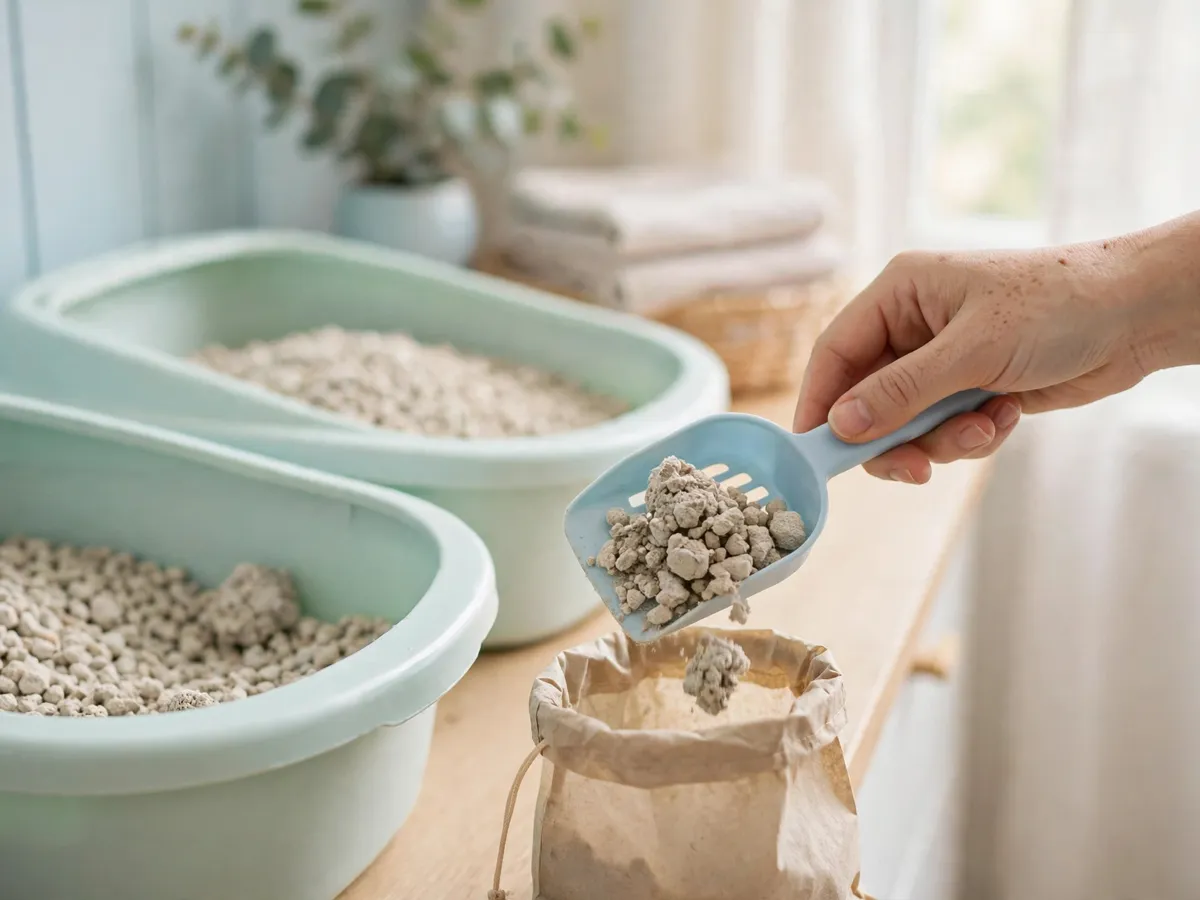
Cleanliness is the branch with a published bar, and the bar is low enough that most homes clear it without thinking: remove waste from the litter box at least once a day, and wash the box every one to four weeks. The weekly scoop of the whole contents and the monthly wash are the habits that keep the box from becoming a smell the cat objects to before it becomes a smell the humans stop noticing.
The trap in this branch is the gradual slip. A scoop that happens once a day becomes once a day when remembered, which becomes once every other day during a busy week, and a cat registers the change long before the nose does. The setup and the fill routine, the unscented choices and the depth that makes the box work in the first place, are their own conversation: the litter box setup and cleaning page owns the schedule detail, and this branch only asks whether the bar is being cleared today.
Stress Triggers in the Home
Stress is a real branch of the tree, not an excuse, and it has a list. A new pet in the home. A move, even a rearranged living room. A schedule change that leaves the house empty at different hours. Construction next door. An outdoor cat visible through the window, which turns the home into contested territory for a cat that cannot go outside. Each of these can push a cat off its routine, and the box is the first routine to go because it is the one the cat controls least.
The fix path is additive rather than punitive: give the cat back what the change took, add a quiet retreat the new arrival cannot reach, and keep the box setup steady while the home settles. The branches this page does not cover have their own homes. The poop version of the same tree belongs to its own page, and the age version, where the trips get harder to make rather than the box harder to accept, belongs to the senior cat peeing outside the box page, which walks the arithmetic of an older cat's day.
A note on what not to do, because the stress branch is where the well meaning mistakes cluster. Do not move the box to punish or reward a spot the cat chose, do not switch the litter and the location in the same week, and do not add a hood to a box the cat is already uneasy about, because three changes at once erase the evidence about which branch was the true one. One change, held steady, watched for a week: that is the pace the cat can actually report back on, and the reporting is the whole reason the tree exists.
Cat peeing outside the box questions
My cat suddenly peed outside the box. What do I check first?
Check the box first, then the calendar, then the vet line. A cat that stops using its box needs a veterinarian, because house-soiling has its own veterinary guidelines. The medical causes come before the behavioral ones in the order you rule them out. Remove waste from the litter box at least once a day, and wash the box every one to four weeks. A clean box is the baseline every other cause is read against.
How many litter boxes does a multi cat home need?
The count question has its own page, and the short read is one per cat plus a spare, spread across different spots rather than lined up in a row. Keep the litter box away from the food and water bowls, and give each resource its own spot so the cat has a choice. A box next to the dinner bowl is a box a fastidious cat may refuse.
Can stress make a cat pee outside the litter box?
Yes, stress is a real branch of the cause tree, not an excuse: a new pet, a move, a schedule change or an outdoor cat at the window can push a cat off its routine. The fix path is to give the cat back what the change took, add a quiet retreat, and keep the box setup steady while the home settles. The poop branch and the senior age path each have their own page.
Save the Cause Tree Sheet
Pin the tree before the next mystery puddle, and read the branches in order. The Cat-Friendly Home collection holds the box, the count and the setup pages this one branches into. For informational purposes, consult your vet.