 PawStyle Daily
Cat-Friendly Home
Cat Litter Box for Travel: Packing Plan for Four Trip Types
The litter box is the piece of the cat's routine that travel breaks first. At home the pan sits where it sits, the fill is the fill the cat chose, and the scoop happens on a rhythm. A trip breaks all three at once: the pan travels, the bathroom belongs to a stranger, and the schedule belongs to the road. This page is the planning half the shopping pages never answer: where the box sits in each kind of trip, what material earns a place in the bag, and what goes on the packing sheet.
By PawStyle Daily · Updated 22 November 2026
Good to know: four trip shapes · a tray per shape, not per cat · bring the litter from home · the packing sheet prints before the bags do.
The Trip Decides the Box
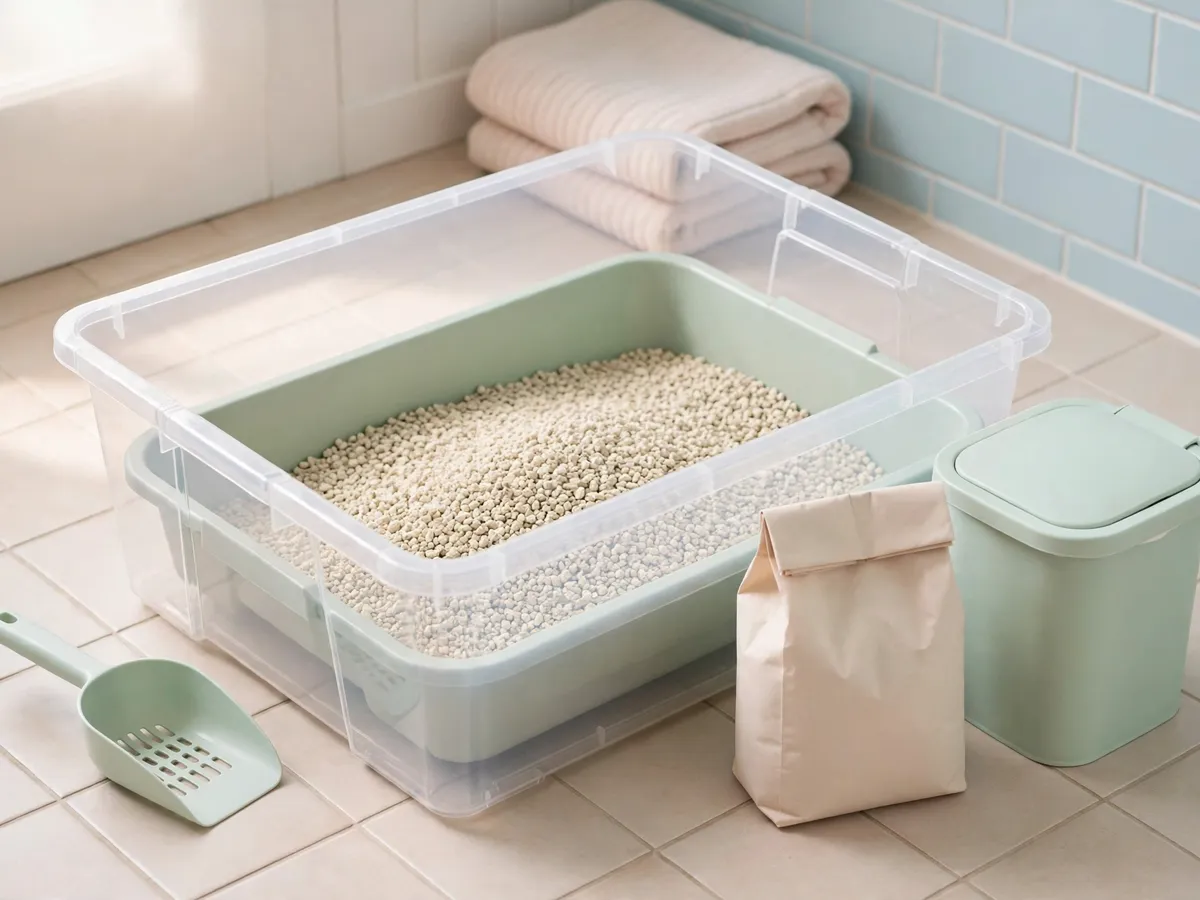
There is no single travel litter box that fits every trip, and any page that sells one is selling a pan, not a plan. The right box for a car weekend is the wrong box for a flight, and the box that works in a hotel bathroom is different again from the box that works in your mother's laundry room. The variable is never the cat. The variable is the trip: how the cat gets there, where the box will sit, and how much room the box is allowed in the luggage.
Start the decision from the destination, not the shop. Picture the room the cat will actually use: is there a tiled floor that forgives a spill, or carpet that does not. Is the door closable at night. Is there a dog who will find the pan before the cat settles. Once that room exists in your head, the box that belongs in it is obvious.
The cat side of the trip has its own guides. The box rides next to a carrier that fits the airline's rules, and the cat travel carrier guide covers that half of the packing list. For the rest of the trip kit, the traveling with pets checklist is the page to keep open beside the suitcase.
Four Trip Shapes and Where the Box Sits
Nearly every trip a cat takes falls into one of four shapes, and each shape hands the box a different job. Read your trip against these four before you pack, because the shape decides the material, the spot and the count.
The car weekend. The shortest shape, and the easiest to overpack. A shallow tray with a shallow lip rides on the floor behind a seat, wedged so a turn cannot flip it, and a folded towel under it catches what the paws carry out. The cat uses it at stops, never on the move, and the kit folds flat for the ride home. A bagged tray suits this trip: use it, scoop it, bin it at the last rest stop before home.
The flight. The box does not fly in the cabin with the cat; it flies in the suitcase or it waits at the destination. What travels is a flat-folded tray or nothing at all, plus a small bag of the litter from home in a sealed pouch inside a second bag. Loose litter bursts and scatters, so the flat option is the sane one: fold the tray, pack the pouch, and unpack the fill when you land. On a short stay, one tray in the bathroom on arrival covers the whole visit.
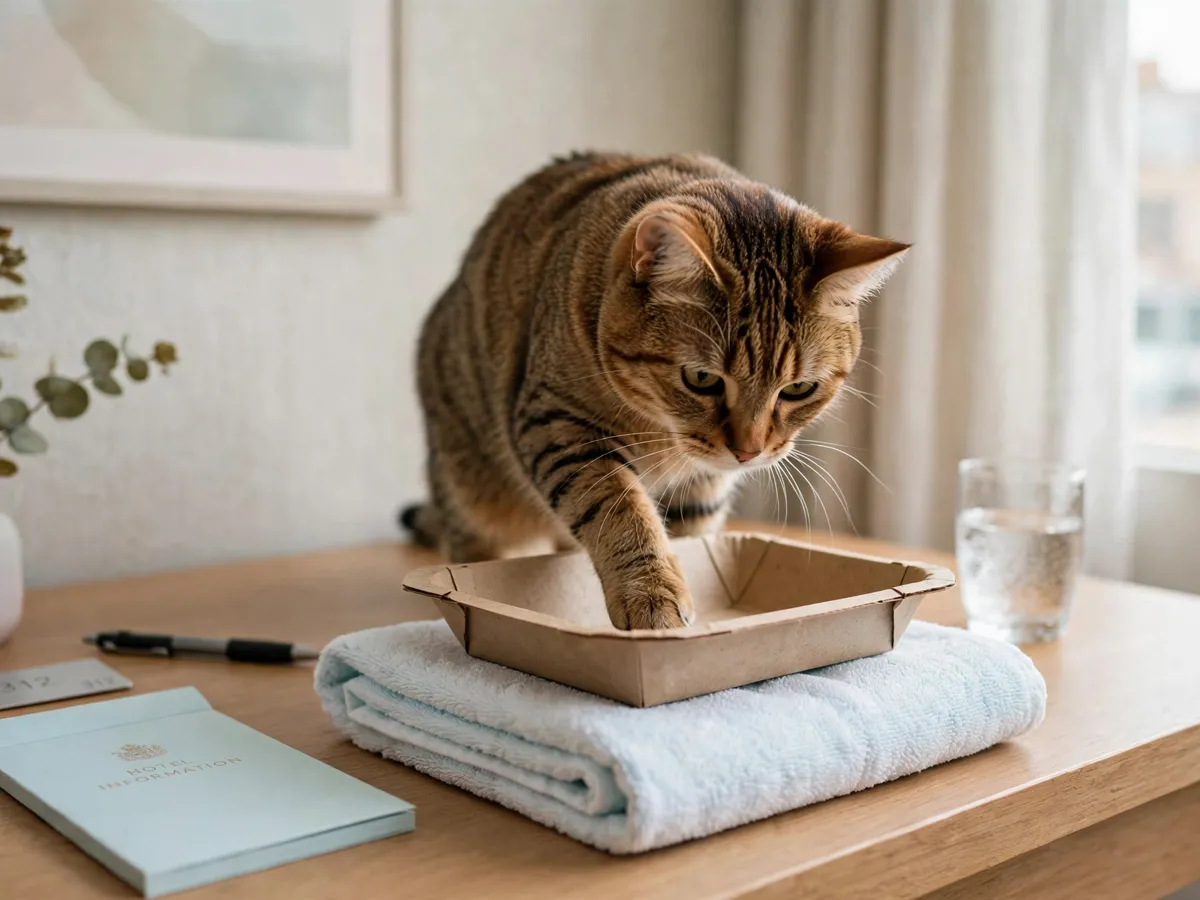 The hotel stay. The hotel bathroom is the natural box room: tile, a door that closes, and a floor that wipes. Lay the towel first, then the tray, so tracked litter lands on fabric you own rather than carpet the hotel owns. Put the waste bag in the bin before the cat arrives, and keep the scoop in the same pocket as the tray. Check the pet policy line before you book, because a hotel that takes cats still sometimes draws a line at a tray on the floor, and a covered tray settles that argument.
The relative's house. The friendliest and the trickiest shape, because the host is family and the floor is theirs. The work here is conversational before it is logistical: ask where a tray may sit, and offer the bathroom or the laundry room as the answer. Bring your own litter so the box on arrival smells like the box the cat left. If a dog shares the household, the tray wants a room with a door that closes or a spot behind a baby gate the dog has not solved, and the scoop still happens daily behind that door.
Whatever the shape, the box still has to be cleaned on the rhythm it keeps at home. The how often to clean a litter box guide covers that rhythm, and a trip changes the location, not the frequency.
Box Types Compared by Material
A travel tray is a material decision more than a brand decision. Every option on the shelf comes down to one of three materials, and each material answers the same question: how many uses does this pan earn before it goes in the bin, and what does it ask of your luggage on the way there. No material earns a pass on the scoop. The tray is a vessel, and its job ends at holding the litter, never at replacing the cleaning.
Coated paper. The classic bagged tray. It folds flat, it weighs almost nothing, and the coating holds one to two uses of a full-service box before the paper softens at the seams. It suits the car weekend and the short hotel stay, and the bag it came in becomes its own waste bag on the last morning. Its weakness is the long stay: paper that has to survive a week of scooping arrives at the bin soggy.
Plastic. A shallow plastic tray, or a storage tub with a low rim, is the workhorse and the one most households already own. It lasts the whole trip and the whole year of trips after it, it rinses in any hotel bathtub, and a lid that stays shut makes it luggage-safe on the ride home. Its cost is room: a rigid pan eats suitcase space a folded paper tray returns to you. For a multi-night stay, the rigid pan is the one to bring.
Hybrid and collapsible frames. The middle path: a fold-out frame with a liner, or a collapsible silicone pan that flattens to a book shape. These trade the paper tray's disposability for the plastic pan's lifespan, and they earn their place on flights where the suitcase decides. The liner still goes in the bin at the end of the stay while the frame rides home flat, and the frame asks one thing in return: a check that the joints sit square before the cat steps in.
The litter is the same decision at any size of trip: bring the fill from home or match it as closely as the destination allows. A cat that meets a new box, a new room and a new litter on the same evening is being asked a lot, and the fill is the one variable you can hold constant for a sealed pouch. For the fill itself, the cat litter types compared guide walks the materials side by side.
The Packing Sheet You Can Print
The box kit packs as one unit, and it packs in the order the trip will use it, so the last thing in the bag is the first thing out at the hotel door. The printable sheet below mirrors that order for all four trip shapes, with the flat-fold rows marked for a flight and the rigid-pan rows marked for a car.
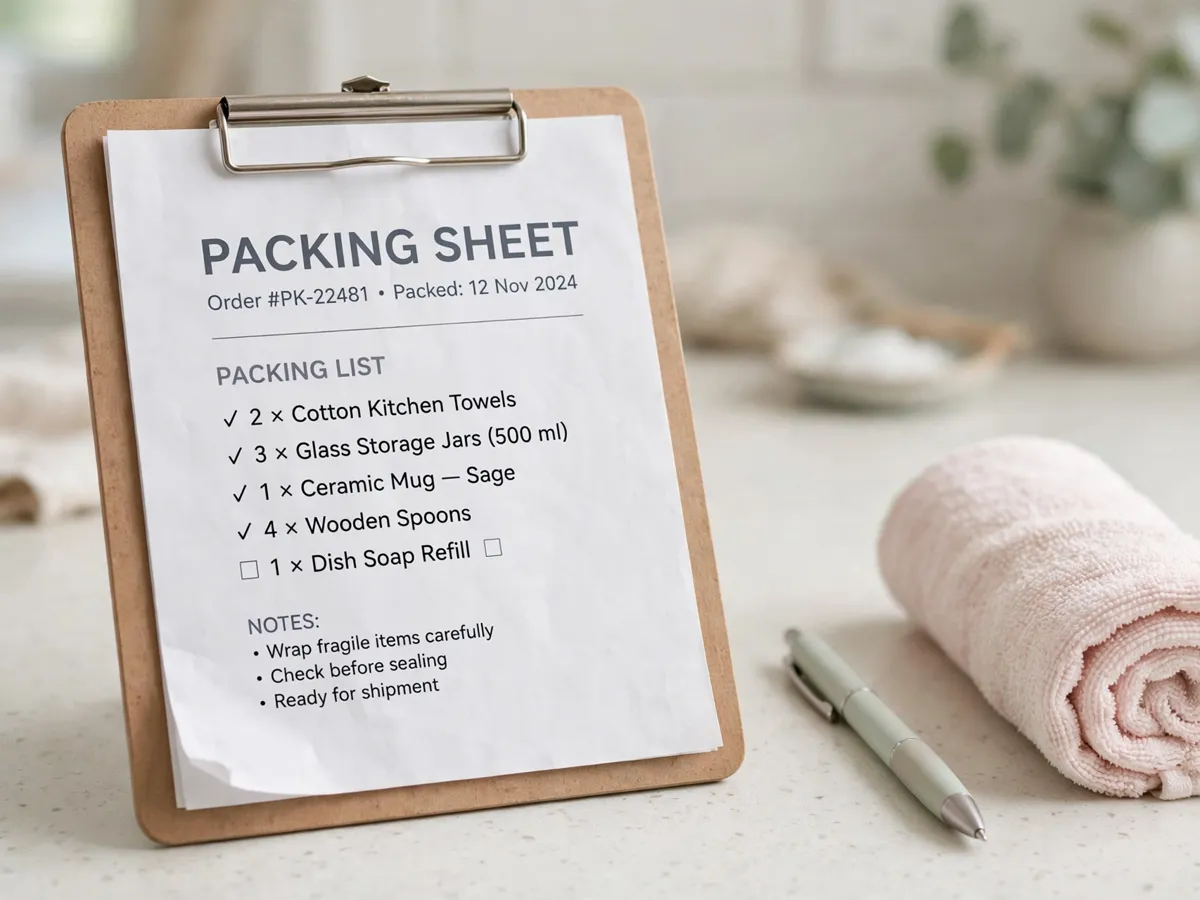
The sheet opens with the tray itself, chosen by material against the trip shape, and the pouch of litter from home in a sealed bag inside a second bag, so a burst pouch is a mess in one bag rather than in the suitcase. Next comes the towel: one folded towel under the tray and one in reserve. Then the small tools, the scoop and a roll of waste bags, packed together so the daily scoop never depends on hotel housekeeping. The last rows are the destination checks the sheet asks before the cat arrives: where the tray sits, whether the door closes, and whether a dog shares the house.
Pack the tray empty and dry. A pan packed damp arrives fragrant, and a suitcase that smells like the box makes the kit unwelcome in a guest room. Empty it, rinse it, dry it, and let the sealed pouch carry the smell of the litter the cat knows instead. The sheet carries a final row for the ride home: bin the used pouch, fold the frame, and wipe the pan before it rides with the clothes.
Bringing the Cat Back to the Home Box
The trip ends with a swap, and the swap is where a travel plan shows its worth. The travel tray comes out of the bag and goes to the bin or the rinse tub, and the home pan, which never left its spot, goes back to its usual state before the cat walks the hallway. A cat returning from a trip tours the house first and finds the box second, and the box it finds should be the one it remembers: the same fill, the same depth, the same spot by the same wall.
Give the returning cat one quiet evening before the house fills with visitors or the routine resumes. The trip was a lot of new rooms, and the evening is the decompression before the next one. Keep the travel kit together in its bag, rinsed and dry, and the next sheet shrinks to a check rather than a rebuild.
Travel litter box questions
Do I need a disposable box for every trip?
Cats often find aromatic litter and litter deodorizers offensive, and no product removes the need to clean the box. A bagged tray is one option among several, and the trip decides it. For a weekend away by car, a shallow tub with a little litter is enough. For a longer stay, the regular pan rides in the trunk and the bagged trays become the backup for the drive itself.
Where does the box go in the car?
On the floor behind a seat, in a spot where the pan cannot tip when the car turns. A shallow storage tub under the tray keeps the litter inside the frame. The carrier and the box stay separate, and the cat uses the box at a stop, not on the move. The carrier has its own rules, and the carrier guide covers them.
Can I leave a tray set up at a relative's house?
Yes, and it is the friendliest option when the household also has a dog. Bring your own litter so the cat meets a familiar smell, and keep the pan in a room the cat can reach at night. Ask the host before you leave a tray on an open floor. A bagged tray still needs a scoop every day, and the bag it came in is the waste bag.
Save the Travel Sheet for the Next Trip
Pin this page so the four trip shapes are on hand the next time a booking lands in the inbox. The Cat-Friendly Home collection holds the box setup, cleaning and hiding guides the travel kit stands on. For informational purposes, consult your vet.