 PawStyle Daily
Pet Holiday & Party
Traveling With Pets for the Holidays
The holiday trip is two journeys stacked: the one in the car, and the one at the other end of the driveway. This page runs both. The carrier routine that starts at home, the seatbelt rule that keeps the cabin quiet, the towel trick that blocks the view, and the safe-room setup that waits at the destination before you walk in the door. Run them in order and the trip is a calmer thing for everyone in the carrier and out of it.
By PawStyle Daily · Updated 19 November 2026
Carrier out at home · seatbelt or floor for the ride · safe room ready at the door · for informational purposes, consult your vet.
Why the trip deserves its own plan
A pet who naps through a Tuesday commute will not nap through a five-hour holiday drive. The carrier comes out of the closet, the routine changes, the smells change, and the destination is a house full of people the pet did not invite. The plan in this page is the difference between a pet who arrives settled and a pet who arrives already over the day. Most of it happens before the car leaves the driveway, which is the part people skip.
The two halves feed each other. A cat who walked into the carrier at home rides quieter in the car, and a pet who rides quieter arrives at the destination with enough calm left to use the safe room. Skip the first half and the second half has to do all the work, which is the version of the trip that ends with a pet hiding behind a guest bed at midnight.
The carrier routine that starts at home
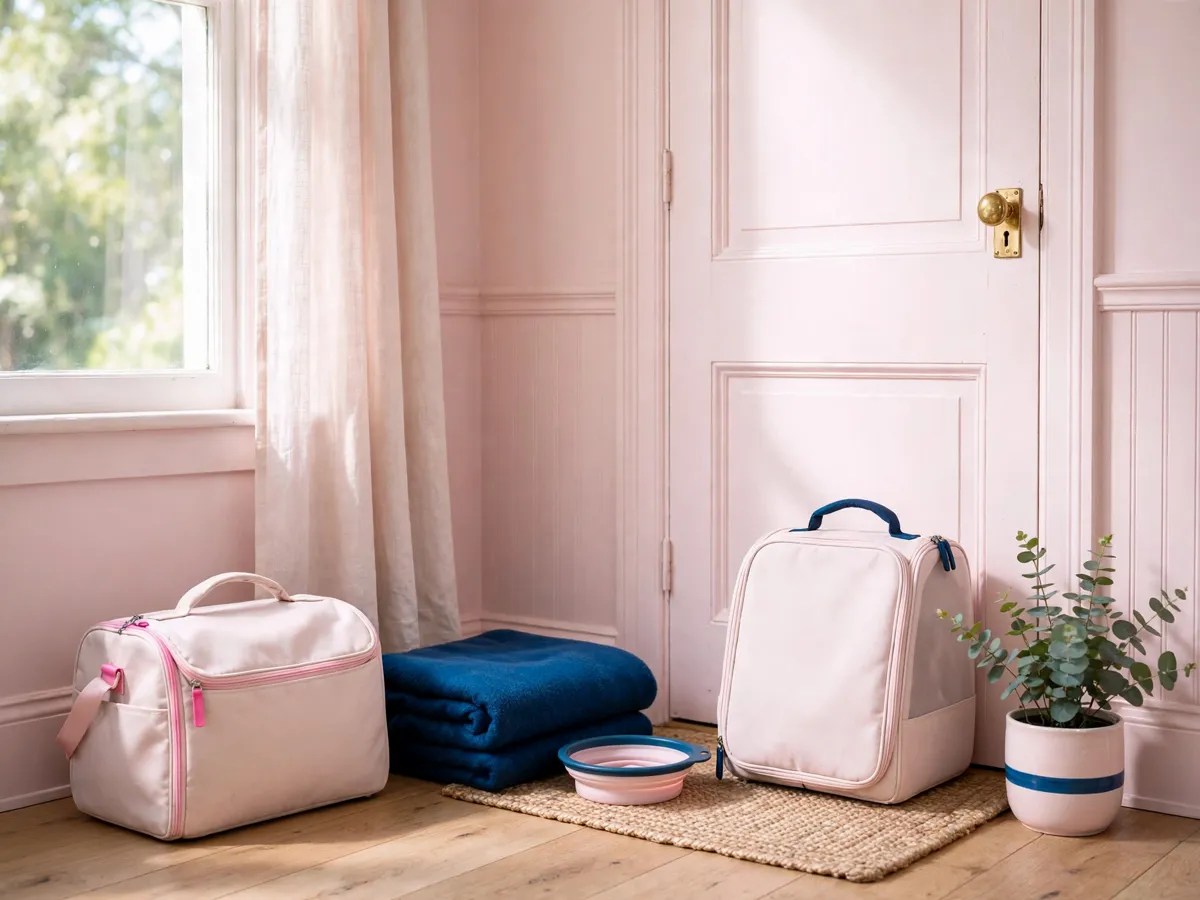
The goal is a cat that walks into its carrier voluntarily, which starts with the carrier staying out at home as part of the furniture with soft bedding inside. That single habit — the carrier as a normal object the cat already sleeps near — is what turns the holiday morning from a wrestling match into an open door. Leave it out for a week before the trip, drop a treat or a pinch of food in now and then, and let the cat decide to use it.
The carrier stays out at home right up to the morning you leave, so the cat walks in on its own and you close the door behind it instead of chasing. A towel draped over the top is already in place by then, because the same towel blocks the view on the ride and the view is what arouses a cat in a moving car. For the carry that becomes a ride, the cat travel carrier guide walks the sizing and the airline rules for the trips that fly instead of drive.
In the car: the floor, the seatbelt, the towel
During travel the carrier goes on the floor or under a seatbelt, and a towel over it blocks the view that arouses the cat. The floor of the footwell is the steadiest spot in most cars, and a seatbelt threaded through the carrier handle is the second option when the floor is taken. What never works is the carrier loose on a seat, because a carrier that can slide can fall, and a cat that can see the world rushing past will stay aroused for the whole drive.
Dogs ride on a harness attachment that clips to the seatbelt, not on a collar that loads the neck in a stop. Loose in the cabin is the one option to skip for either species — a loose pet becomes a projectile in a sudden stop and a distraction in a calm one. Keep the cabin quiet, the music low, and the windows up; the trip is already a lot of input without adding the wind.
The travel kit, packed the night before
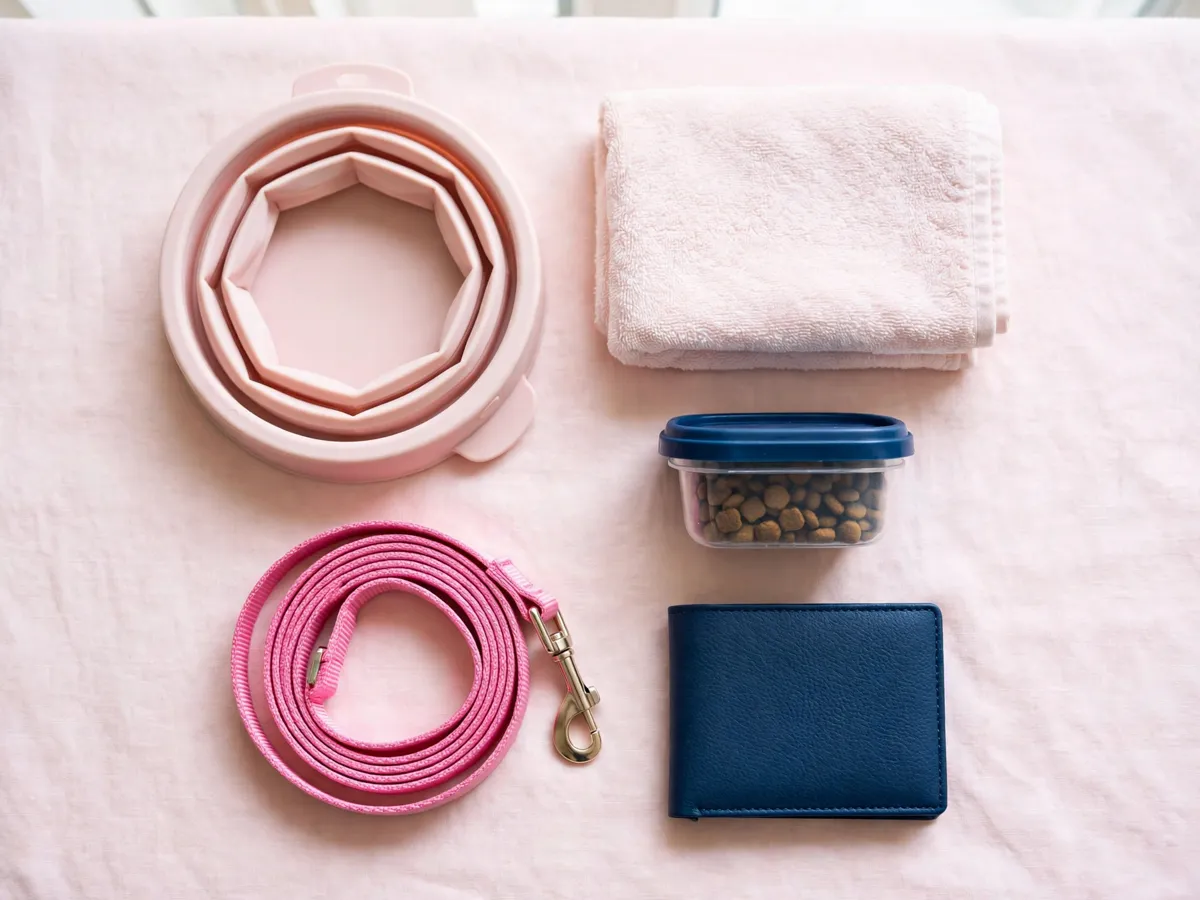
Pack the kit the night before, not the morning of, because the morning of is when the leash goes missing. Food in a sealed container, a collapsible bowl, the leash, a folded towel that smells like home, any medication, and the vaccination card in one wallet. Add a waste-bag roll for the dogs and a small litter amount for the cats if the drive is long enough to need a stop. The towel that smells like home is the one item people forget and the one that earns its place fastest — laid over the carrier at the destination, it carries the scent the pet already trusts.
The safe room that waits at the other end
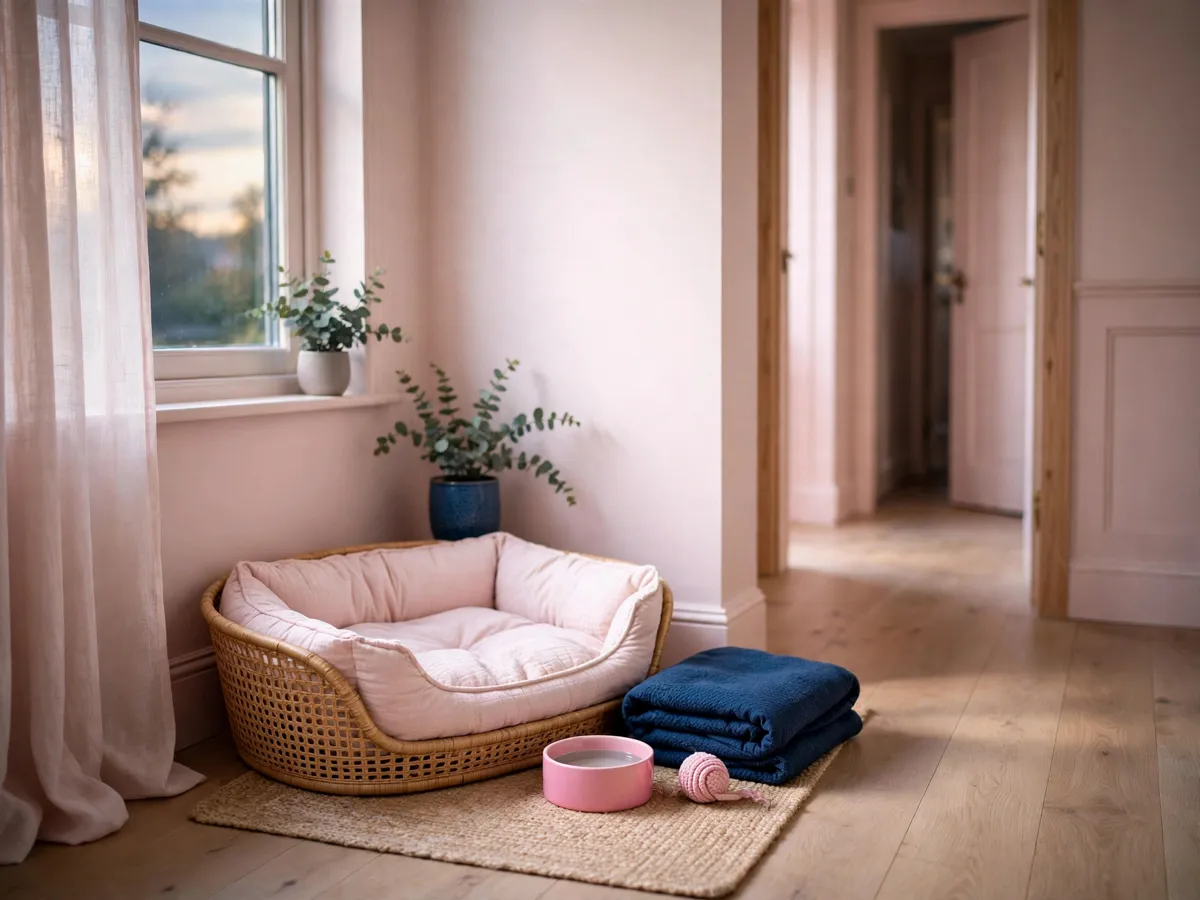
The safe room is the one step that happens before you arrive, not after. Pick a quiet room at the destination, set up the pet's bed, water, a litter box or a pad, and the familiar towel from the kit, and close the door. The pet goes straight from the carrier into that room, and the door stays closed between them and the party until they ask out. A pet who arrives into a room of guests arrives into the loudest version of the trip; a pet who arrives into a quiet room arrives into the calmest.
This is the same retreat-room logic that hosting holiday guests with pets uses for the household side of the evening — the door between the pet and the crowd is the whole mechanism, whether the crowd is at your house or someone else's.
Guests, doors, and the food lane
The destination brings the same door problem the trip just solved, only with coats and casseroles. Guests stream through one entry, prop doors, and leave plates at nose height, and none of it is carelessness — it is people who do not live with your rules. The fix is to name the rules once, kindly, before the first bag hits the floor: one entry for guests, the safe room door closed, nothing edible at table edge, and the trash walked straight out. The pet stays in the safe room until the door traffic slows, and the food lane runs through the kitchen, not the living room.
The trip, run in order
| Step | Do this | Why it works |
|---|---|---|
| At home, the week before | Carrier out as furniture, towel draped, treats inside | A cat that walks in voluntarily beats one you have to chase |
| Morning of | Cat into the carrier, dog onto the harness attachment | Neither rides loose; the cabin stays quiet |
| In the car | Carrier on the floor or under a seatbelt, towel over it | The steadiest spot and the blocked view keep the ride calm |
| On arrival | Pet straight into the safe room, door closed | The calmest version of the destination is the first one they meet |
| During the party | Safe room door stays closed, guests use one entry | One lane for people, one room for the pet, no negotiation at the door |
For informational purposes, consult your vet.
The loudest night: fireworks and music
Loud music and fireworks can scare pets, so leave them a safe room to retreat to. The safe room you set up on arrival is the same room that carries the pet through the loudest night of the season, and it earns its keep most on the evening everyone else is outside watching the sky. Close the door, close the curtains, leave a familiar towel and the pet's bed, and check in on the hour instead of the dramatic midnight visit.
For the December version of the same evening — the tree, the candles, the tinsel — the Christmas pet safety checklist picks up where this page hands off. For informational purposes, consult your vet.
Traveling with pets, in short
Should my pet ride in a carrier or a harness in the car?
Cats travel in a closed carrier that sits on the floor or straps in with a seatbelt, with a towel over it. Dogs ride secured by a harness attachment. Loose in the cabin is the one option to skip.
What goes in the pet travel kit?
Food in a sealed container, a collapsible bowl, the leash, a folded towel that smells like home, any medication, and the vaccination card in one wallet.
Where does my pet stay at the destination?
In a quiet room set up before you arrive: their bed, water, and a door between them and the party. Loud music and fireworks can scare pets, so the retreat room matters most on the loudest night.
The travel kit
What makes the ride and the room work
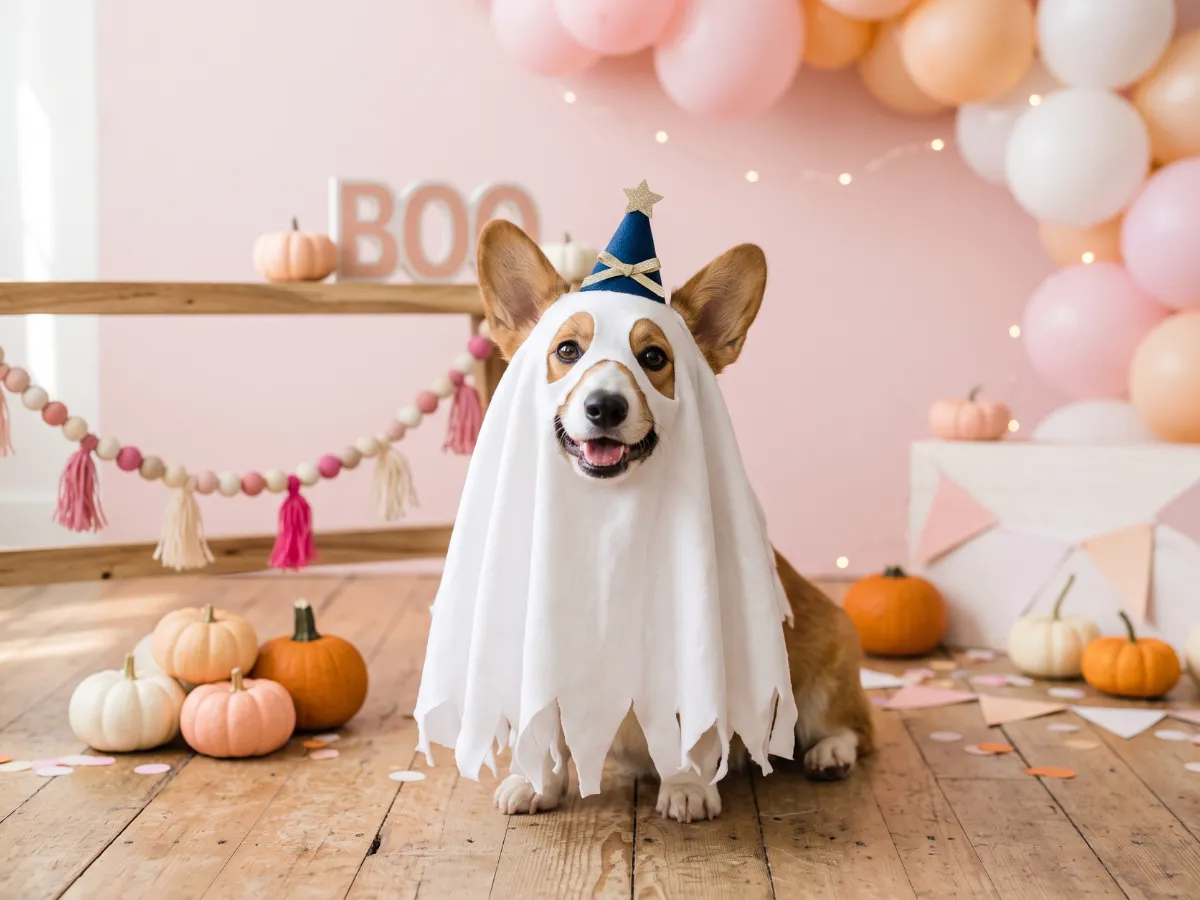
A soft-sided carrier, a collapsible bowl, and a seatbelt strap — the small kit that turns a five-hour holiday drive into a calmer trip for the pet in the back.
See the travel kit →As an Amazon Associate we earn from qualifying purchases.
Save these on Pinterest
Pin the checklist before the next holiday drive. The Pet Holiday collection holds the rest of the season's plans, from the hosting night to the morning-after cleanup.