 PawStyle Daily
Puppy Training Tips
Winter Puppy Socialization Indoors
A puppy born in autumn meets the world in the hardest season of the year. The ground is icy, the evenings are dark by the time work ends, and the advice that says take your puppy everywhere collides with weather that makes every outing a calculation. Winter does not pause the socialization window, and it does not have to thin it out either. The apartment carries more of the load than most people expect: surfaces, sounds, objects that move, people who visit, and short stretches of being alone. This page is the winter version of the plan - what the cold actually changes, what it never changes, and how the weeks indoors turn into the calm adult dog you were aiming at all along.
By PawStyle Daily · Updated 19 November 2026
The window runs whether it snows or not · indoor exposure counts · freezing is a limit, not a teacher · classes start with the series · for informational purposes, consult your vet.
Why winter is not a pause button
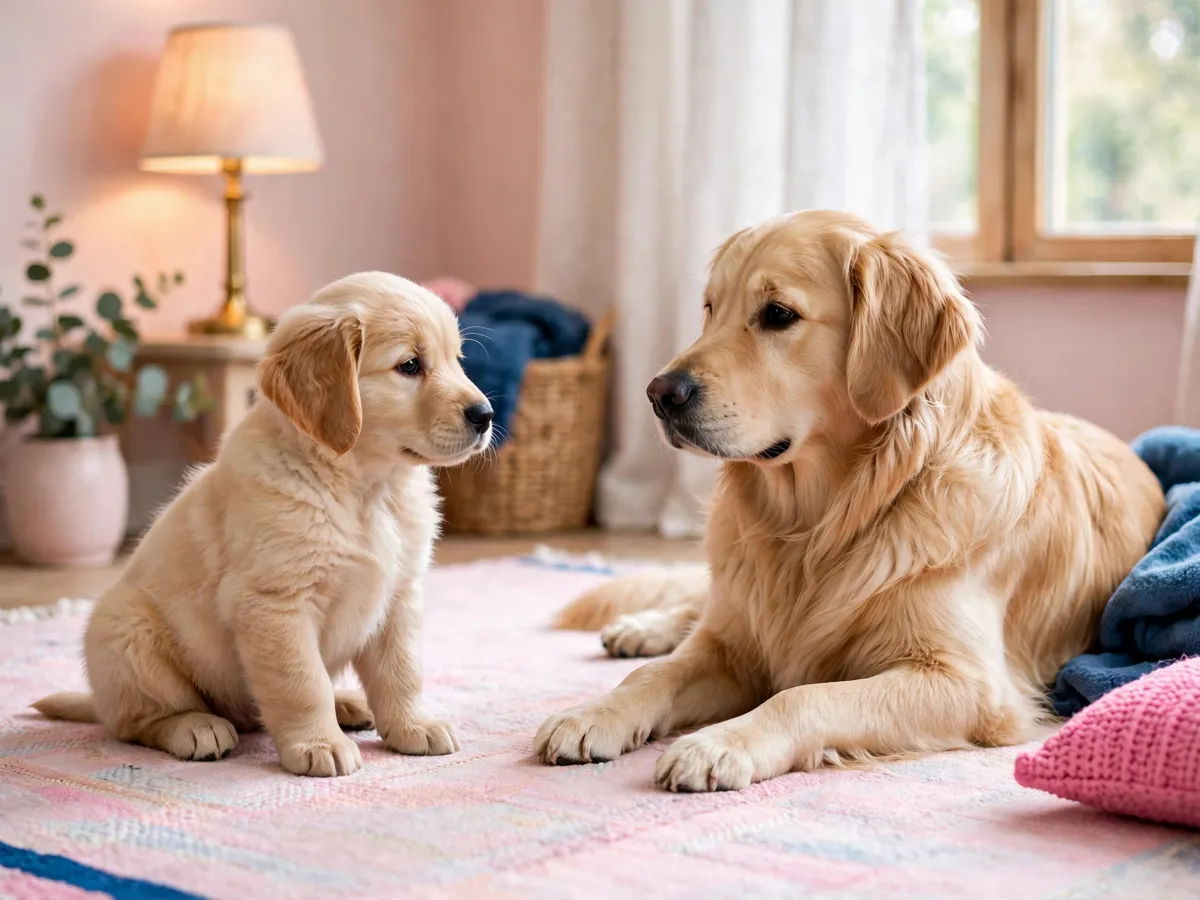
The season compresses the calendar and the calendar does not care. A puppy whelped in October is in the middle of its most important months in December, and a household that spends the whole cold stretch waiting for spring is spending the most valuable part of the puppy's development on hold. The exposures that matter are small and mostly unglamorous, and almost all of them can be staged inside four walls.
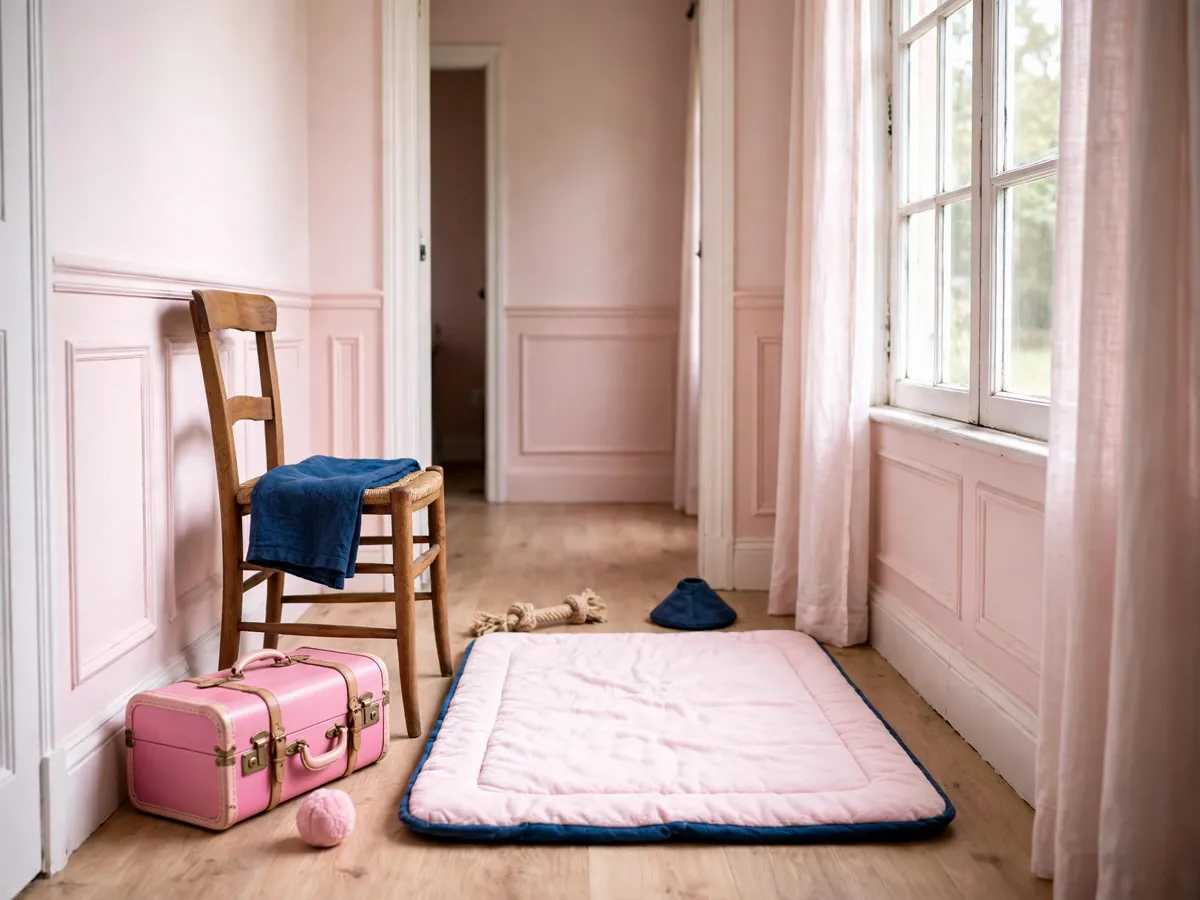
What winter changes is the venue, not the work. In a mild month the street does a lot of the teaching: passing dogs, bicycles, grates, strangers. In January the apartment takes those jobs over. A suitcase wheels across the floor where a stroller would have been. A doorbell rings where a bus would have exhaled. A visitor in a puffer coat and a hood stands where a delivery rider would have passed. The puppy cannot tell the difference in what it learns, because what it is learning is not the object, it is the pattern: new thing appears, nothing bad happens, puppy stays curious.
The window that keeps running
A puppy goes through a socialization period in its first three months that permanently shapes its adult personality and how it reacts to its environment.
Winter sits in the middle of that stretch for an autumn puppy, which is the argument for working indoors rather than waiting it out. The window is not a suggestion with a flexible start date. It is the period in which the puppy's brain treats every new thing as ordinary-by-default, and everything that arrives inside it files itself under normal with very little effort.
There is a second reason the wait is expensive, and it is the one people do not expect. The American Veterinary Society of Animal Behavior states that behavioral issues, not infectious diseases, are the number one cause of death for dogs under 3 years of age.
That is not an argument against the vaccine conversation; the two sit in the same clinic and the vet weighs them for your building, your street and your household. It is the argument against spending three months producing a dog that has met nothing. An under-exposed puppy grows into an adult that cannot be left alone, that panics at visitors, that bites the vacuum hose every time it comes out - and that dog is a harder project at a year old than the puppy was at ten weeks. If you want the full season mapped out rather than just the winter slice, the socialization checklist carries the whole list.
The indoor curriculum
An apartment is a better socialization hall than it gets credit for. The exposures below are the winter rotation, and they follow the same four rules as any season: keep it short, keep it upbeat, let the puppy set the distance, never force a greeting.
- Surfaces: bare floor, rug, bath mat, a folded blanket with a ridge in it, a baking tray with a handful of dry kibble scattered in the bottom, cardboard flattened in the hallway, the doormat half on tile and half on wood.
- Sounds: the vacuum starting in another room and working closer over days, the hair dryer from the hallway, the dishwasher mid-cycle, a kettle, the doorbell, a television at news volume, a pot lid dropped on the counter from one room away.
- Things that move: a suitcase rolled past, an umbrella opened slowly in the living room, a shopping bag set down, a laundry basket carried overhead, boots stomping snow off at the door.
- People, indoors: a calm visitor who sits and ignores the puppy, then one in a hat, one in a hood, one in winter gloves, a child who moves quickly, a person who arrives smelling of another dog.
- Handling: paws wiped after a wet walk, a towel rub-down, ears checked, a brush run along the back, the puppy laid on its side for a short stretch while you hold the clipboard of your own patience.
- Alone time: the puppy settled in one room while you are in the next, then out of sight for a short while, then a short outing without the puppy, practised calmly rather than staged as an experiment.
Two or three of these a day is plenty. End each one while the puppy still wants more rather than after it has had enough, and let the evening belong to sleep rather than one more adventure.
What the cold actually costs
A dog is at risk of frostbite once the temperature falls below 32 degrees Fahrenheit.
That line draws the winter boundary, and it is lower than most people assume before the risk even starts. For a small or short-coated puppy the margin is thinner still, because a young dog has less body mass to hold heat and no experience telling it that its toes are going numb. A puppy does not learn anything useful from standing shivering on frozen pavement, and the exposure that matters - seeing the street, hearing traffic, watching dogs pass - can be had from the sidewalk for a few minutes and then from behind a window.
A dog can start developing frostbite in as little as 30 minutes outdoors in extreme cold.
A short outing is longer than a young puppy needs outdoors in a deep cold snap and shorter than the wait at some vet clinic parking lots, which is why the winter version of an outing is short and purposeful. Toileting breaks stay outside. Watching the world can happen at the window with the heating on. If a winter walk is unavoidable, the gear and the dark-evening rules are the ones the winter walks and dark-evening safety guide covers, and the rule of thumb stays simple: paws you can hold in your hand without wincing, a puppy you can still feel curious under the coat, and a door you are glad to come back through.
The class question in a cold month
Puppy classes can start once the puppy has begun its vaccination series.
That answer is the one that ends the argument about waiting out the whole series before any contact, and winter is exactly when it earns its keep. An indoor class is a room the size of a living room with better floors: dry, warm, cleaned before class, and full of the exact exposures an apartment week cannot stage - other puppies, other people, new surfaces, a stranger with a treat pouch. It is the one outing of the week where the cold never enters the equation.
Pick the class the way you would pick it any season and let the venue carry the winter weight. Ask what the cleaning routine is between classes, how the dogs are screened, whether a puppy can opt out of an exercise and watch from a mat. A good trainer will answer all three without blinking. The timing details sit on the puppy classes and vaccines timing page, and the class slots neatly beside the home list rather than replacing it - the class is one exposure block a week, and the apartment still does the other six days.
Winter puppy socialization questions
Can I socialize my puppy indoors in winter?
The first three months are the window, and indoor exposure carries the load when the cold limits outdoor time. New surfaces, sounds and calm visitors all count indoors.
Is it too cold to take my puppy outside?
Once the temperature falls below freezing, the risk of frostbite rises. Short outdoor breaks for toileting are fine; long exposure is not, and the cold is not a socialization tool.
When can my puppy start classes?
Classes can start once the puppy has begun its vaccination series. The first class does not wait for the full course, and the indoor class room is the controlled setting that fits winter.
Save these on Pinterest
Pin the indoor rotation for the cold weeks and the class answer for the week the vaccine question comes up. The Puppy Training collection holds the checklist, the class timing page and the winter walk rules this one runs beside.
Short, upbeat, indoors counts, and the cold is a limit rather than a teacher. For informational purposes, consult your vet.
The indoor socialization kit
What makes the apartment week easier
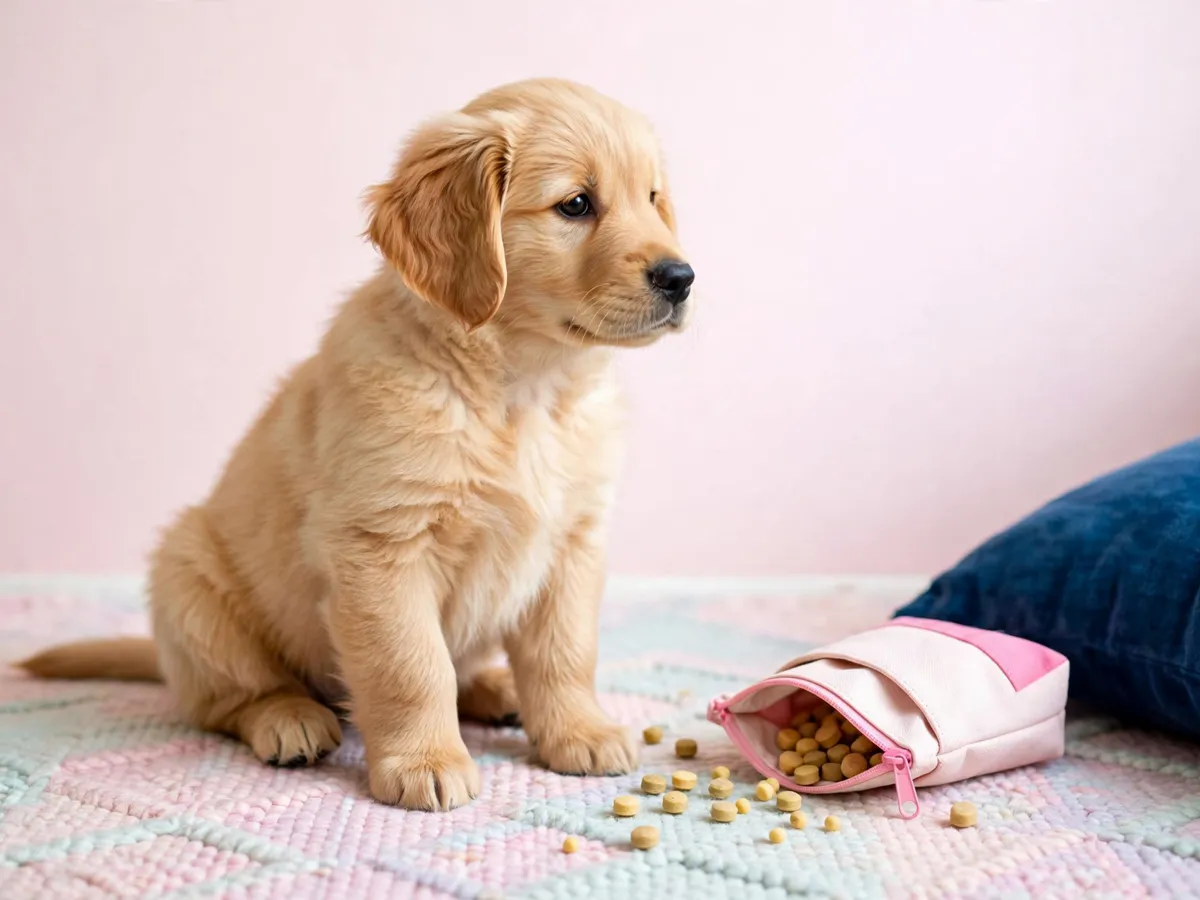
A soft mat for surface practice, a treat pouch that clips to a belt and pea-size rewards - the kit that turns a hallway into a training room.
See the indoor kit →As an Amazon Associate we earn from qualifying purchases.