 PawStyle Daily
Puppy Training Tips
Puppy Classes and First Vaccine Timing
The question every new puppy owner asks the vet, the internet and the breeder is the same one: can we go to class yet, or do we wait until the vaccine series is finished? The answer is earlier than most people expect, and the reason is a window that does not pause while the injections catch up. This page covers when class can start, why the timing matters more than the wait, and how to tell a good class from a crowded room.
By PawStyle Daily · Updated 19 November 2026
Good to know: class starts after the first vaccines, not the last · the window does not wait · small groups beat big ones · for informational purposes, consult your vet.
The question behind the question
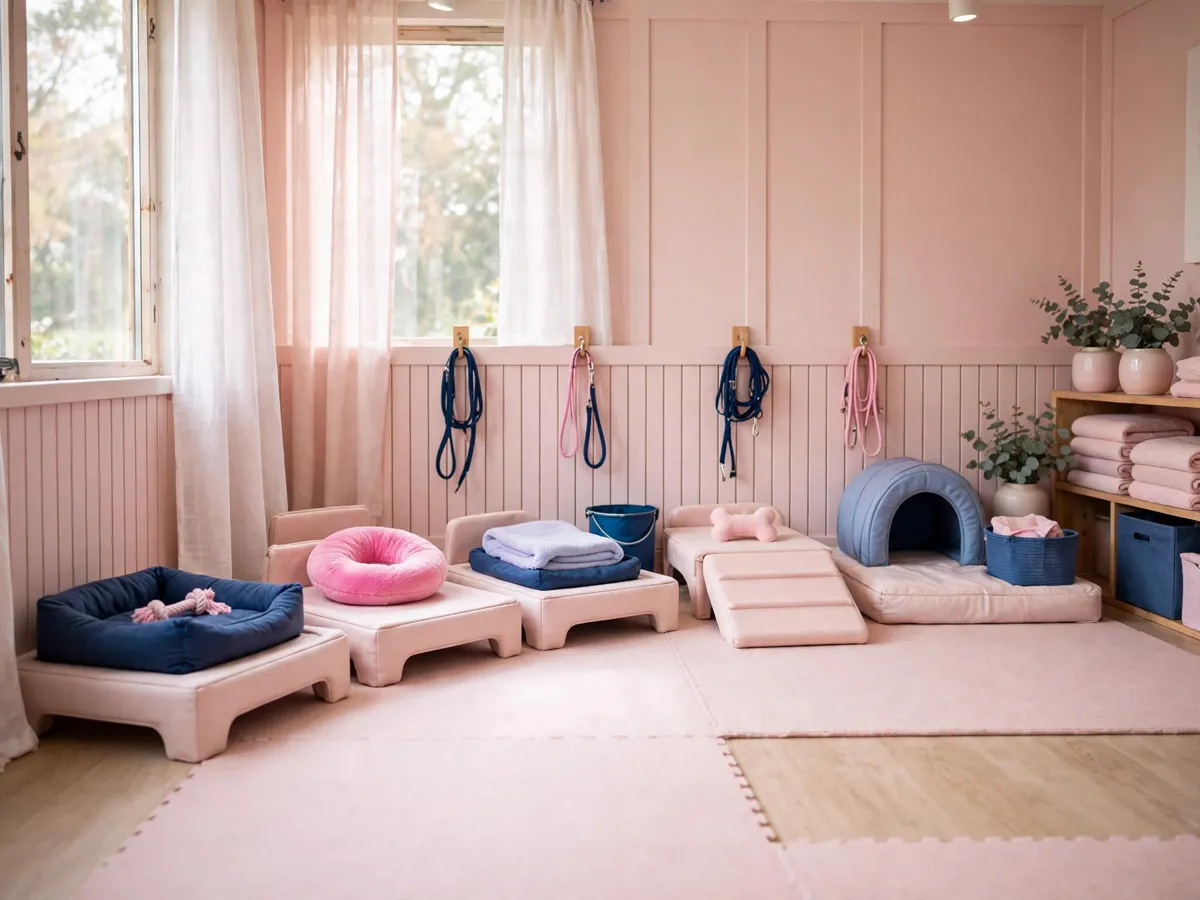
When a puppy owner asks about class timing, they are really asking two things at once: is my puppy safe around other dogs yet, and is my puppy missing something if we stay home? Both questions are real, and the honest answer is that the two concerns sit on the same vet visit. The vet weighs the disease risk on your street against the development risk of staying home, and the answer for a puppy who has started its vaccine series is almost always a screened, clean, small class.
What follows is the shape of that answer: the window that makes timing matter, the reason waiting is its own risk, the line the vet actually uses, and what to look for in the room once you book.
The window that does not wait
A puppy goes through a socialization period in its first three months that permanently shapes its adult personality and how it reacts to its environment.
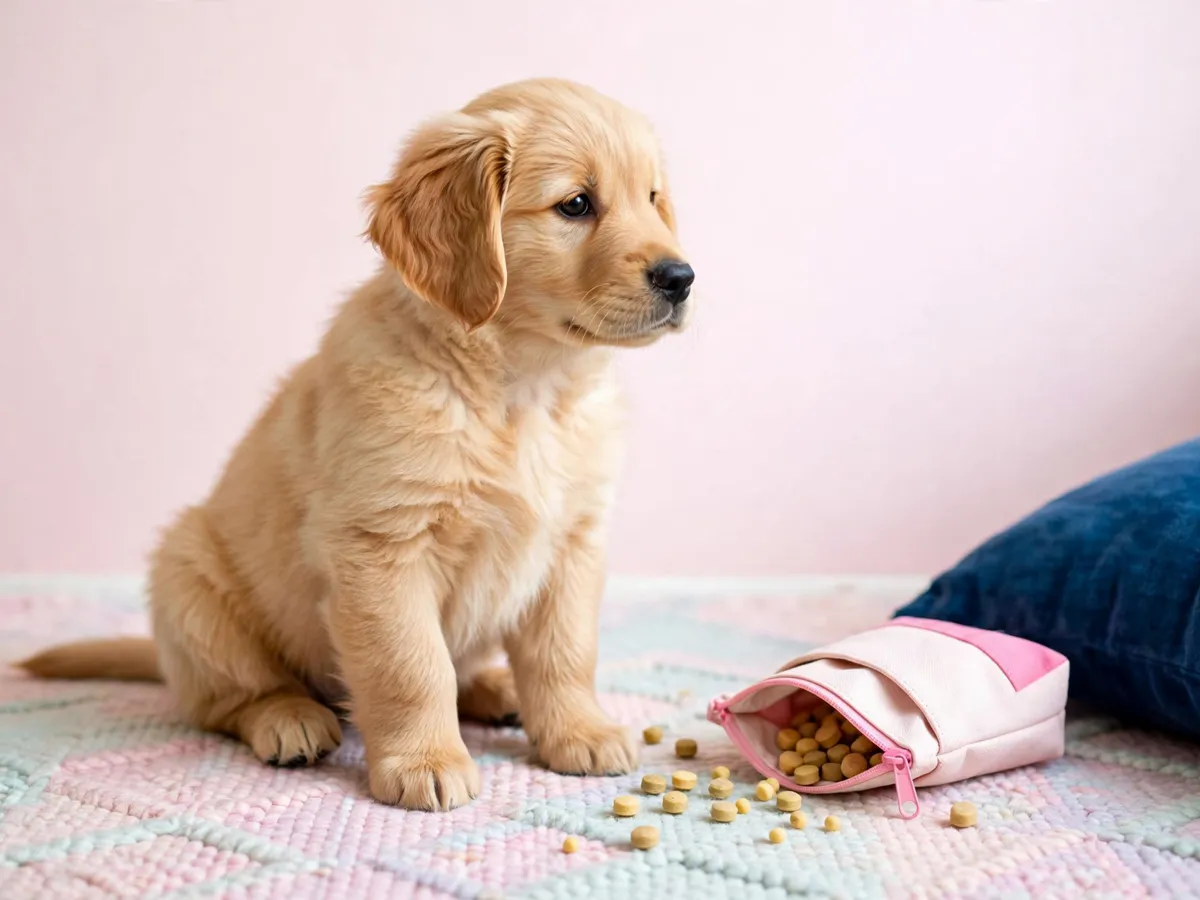
Permanently is the word worth sitting with. The experiences a puppy has in those first three months set the defaults the adult dog runs on: what counts as normal, what counts as threatening, and what gets a shrug instead of a reaction. A puppy that met surfaces, sounds, people and calm dogs during the window has a library to draw from for life. A puppy that spent those months in a quiet apartment waiting for vaccines has a library with empty shelves.
The vaccine series and the window run on different clocks. The series takes weeks and finishes after the window closes; the window is most open in the first three. Waiting for the series to finish before any exposure means spending the most open weeks of the puppy's life indoors, which is why the vet line on classes matters so much.
The other risk, and it is not the one people expect
The American Veterinary Society of Animal Behavior states that behavioral issues, not infectious diseases, are the number one cause of death for dogs under 3 years of age.
That is the statistic that reframes the waiting question. The risk that keeps a puppy home is real, and the vet manages it with the vaccine schedule. The risk that comes from staying home is quieter: a dog that never learned to be alone, that panics at strangers, that bites the neighbour's child, is a dog whose household runs out of options while it is still young. The society's point is not that vaccines matter less; it is that the behavioural side of early development carries a weight most new owners never see until it arrives.
Bring both risks to the same vet appointment and let the vet weigh them for your building, your street and your household. The answer is not the same for every puppy, and the vet is the one who can see your version of it.
When class can actually start
Puppy classes can start once the puppy has begun its vaccination series.
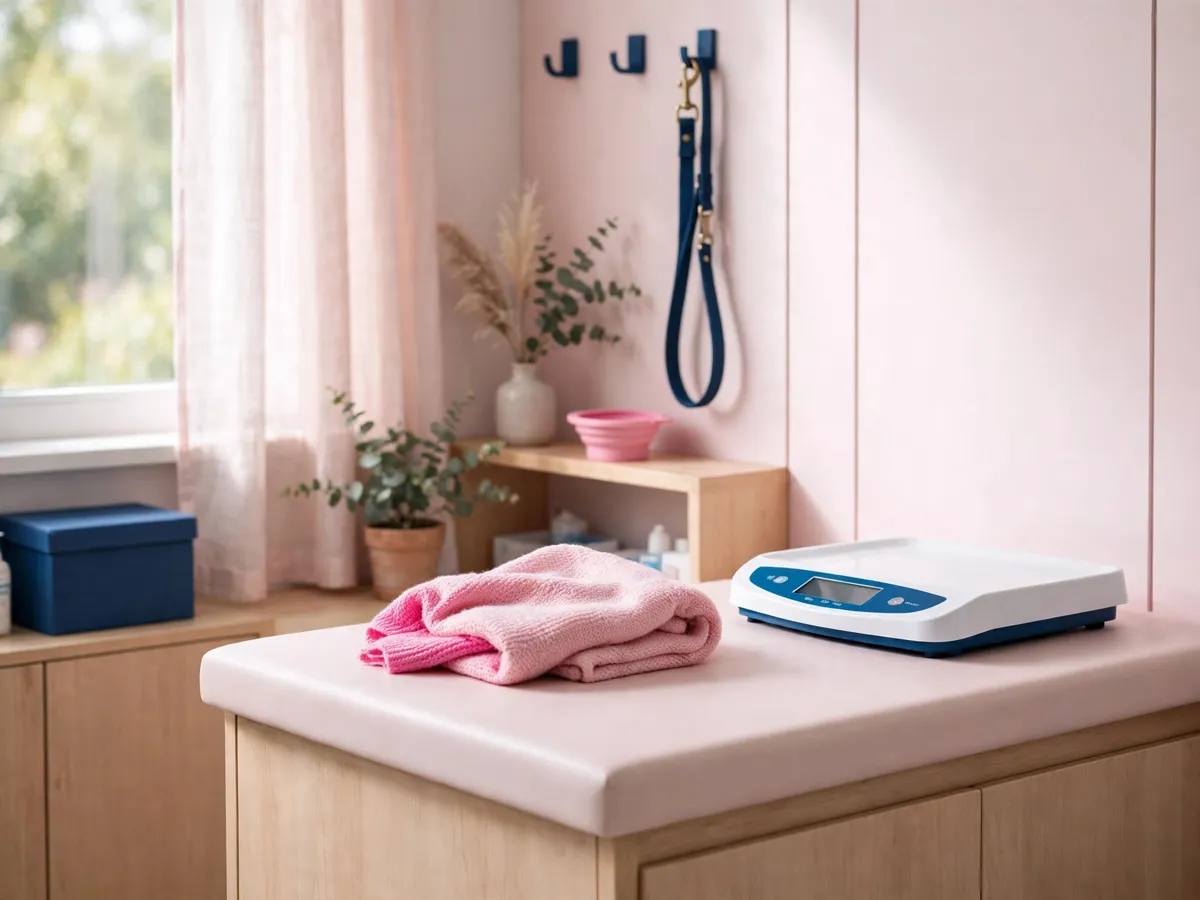
Begun, not finished. That is the line that ends the argument, and it comes from the same place the window science comes from: a clean, screened, vaccinated-puppies-only class is a controlled environment, and the benefit of starting inside it outweighs the risk of the weeks spent waiting at home. Ask the vet who gave the first dose whether the puppy is ready, and the class you pick does its part by requiring vaccines and cleaning the mats between sessions.
- Ask your vet at the first vaccine visit whether the puppy is ready for a class environment, and note what they say.
- Choose a class that requires proof of age-appropriate vaccines from every puppy attending, not one that waves it through.
- Check that the venue cleans its mats and surfaces between sessions, and ask how. A good trainer answers without hesitating.
- Book the earliest start date that fits the vet's answer, because every week inside the window counts.
For the home-side half of the same season, the puppy socialization checklist runs the exposures a household does between class days.
What a good class looks like
The room tells you most of what you need to know the moment you walk in. Small groups, calm surfaces, treats instead of force, and a trainer who lets shy puppies watch first are the four signs of a class built around how puppies actually learn. A room that is loud, crowded, or full of puppies being corrected is a room teaching the opposite lesson.
- Small groups. Four to eight puppies is the range most good trainers work with, because a shy puppy in a crowd of fifteen learns to hide rather than to engage.
- Calm surfaces. Mats, rubber flooring, or non-slip rugs. A puppy that slips on a polished hall floor spends the class worried about its feet.
- Treats instead of force. The trainer coaches owners to reward the behaviour they want, and no puppy is pinned, pushed or corrected into a position.
- Shy puppies watch first. A good trainer gives the worried puppy in the corner a job that is watching, and brings it in when the puppy chooses to come in.
A class that checks all four boxes is worth the drive. One that fails the fourth - the one where every puppy is made to participate - undoes the confidence the whole season is meant to build.
The week between classes
One class a week is a bonus, not the curriculum. The work that shapes the window happens at home, between the sessions, and it does not need a training hall. The exposures are small and boring on purpose: a new floor texture, a doorbell at a distance, a visitor who ignores the puppy, thirty seconds of alone time in another room.
Two or three small exposures a day, each ending while the puppy is still curious, adds up to the library the adult dog will run on. Pair the class with the home list and the season does its job; run the class alone and the other six days of the week go unused.
For the week-by-week shape of the training behind the exposures, the puppy training schedule by age maps what to teach when, and the basic puppy commands with treats page covers the rewards side.
Puppy class timing questions
Can my puppy start class before all vaccines?
Classes can start once the puppy has begun its vaccination series. Ask your vet to confirm your puppy is ready, and pick a class that requires vaccines and cleans its mats between sessions.
What happens if we miss the window?
The first three months shape how a dog reacts to its world for life. A puppy that misses safe exposure works harder later, so start now with what your vet approves.
What should a good puppy class look like?
Small groups, calm surfaces, treats instead of force, and a trainer who lets shy puppies watch first. If the room is loud and crowded, that is a class to skip.
Save these on Pinterest
Pin the timing answer and the four signs of a good class for the week the vaccine question comes up. The Puppy Training collection holds the socialization checklist and the schedules that carry the rest of the first months.
Class starts when the series begins, the window does not wait, and the calm room wins. For informational purposes, consult your vet.
This page answers the when; the choosing the class itself page answers the which, and the pair covers the whole decision.
What we use
What we use for class days
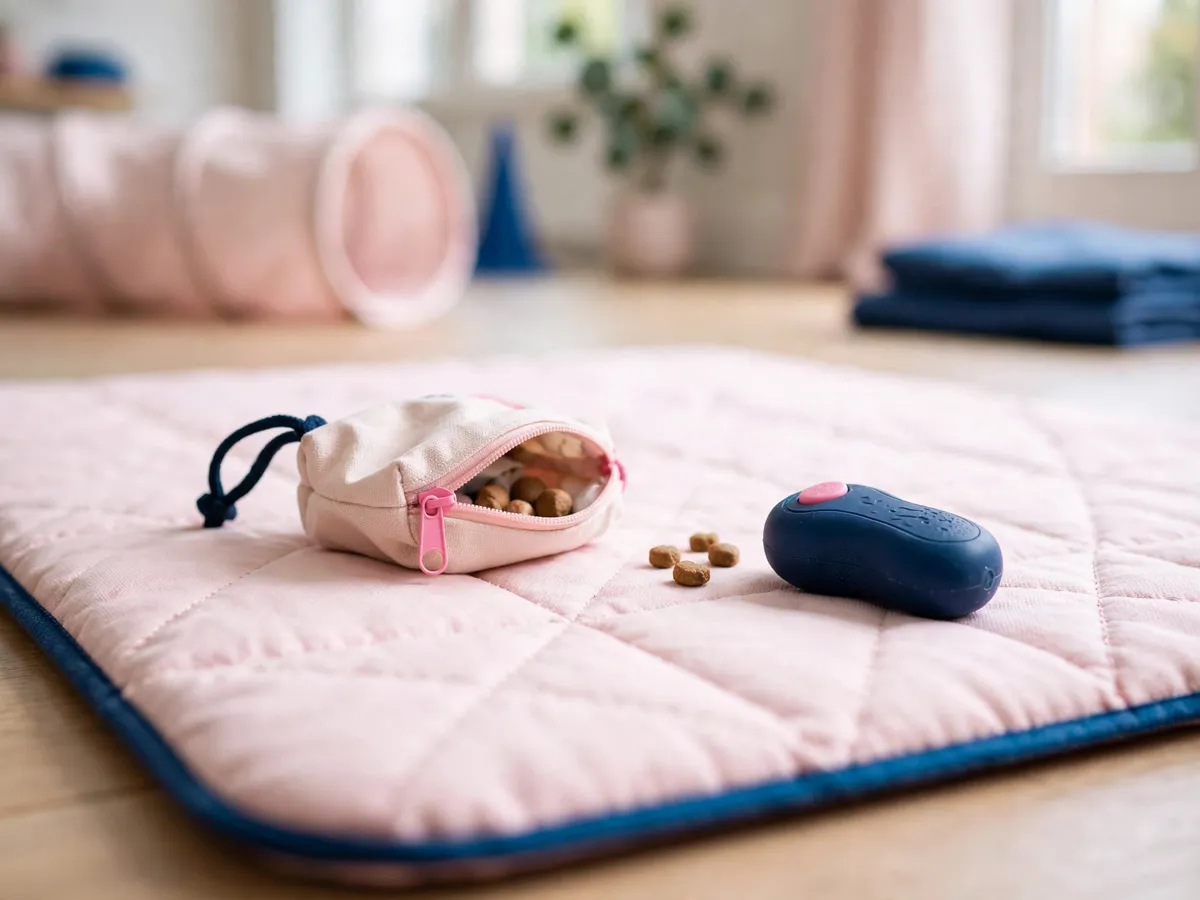
A treat pouch, a soft training mat and pea-size rewards - the class-day kit that fits in one hand.
See what we use →As an Amazon Associate we earn from qualifying purchases.