 PawStyle Daily
Homemade Dog Treats & Meal Planning
New Year Dog Treat Reset for January
January is the month the treat jar tells the truth. The leftover holiday biscuits sit beside the new-batch resolution, the training pouch is heavier than it was in December, and the vegetable drawer has quietly emptied itself of carrots. This page is the reset that puts every piece back in its place: a clean jar, a sized share, a training count that comes off the day's food, and a freezer batch that is ready when the next busy week arrives. Nothing here is a fresh rule, just the old habits laid out for a fresh year.
By PawStyle Daily · Updated 19 November 2026
Clean jar · pea-sized training bites · the freezer batch stays ready · for informational purposes, consult your vet.
Why January is the treat reset month
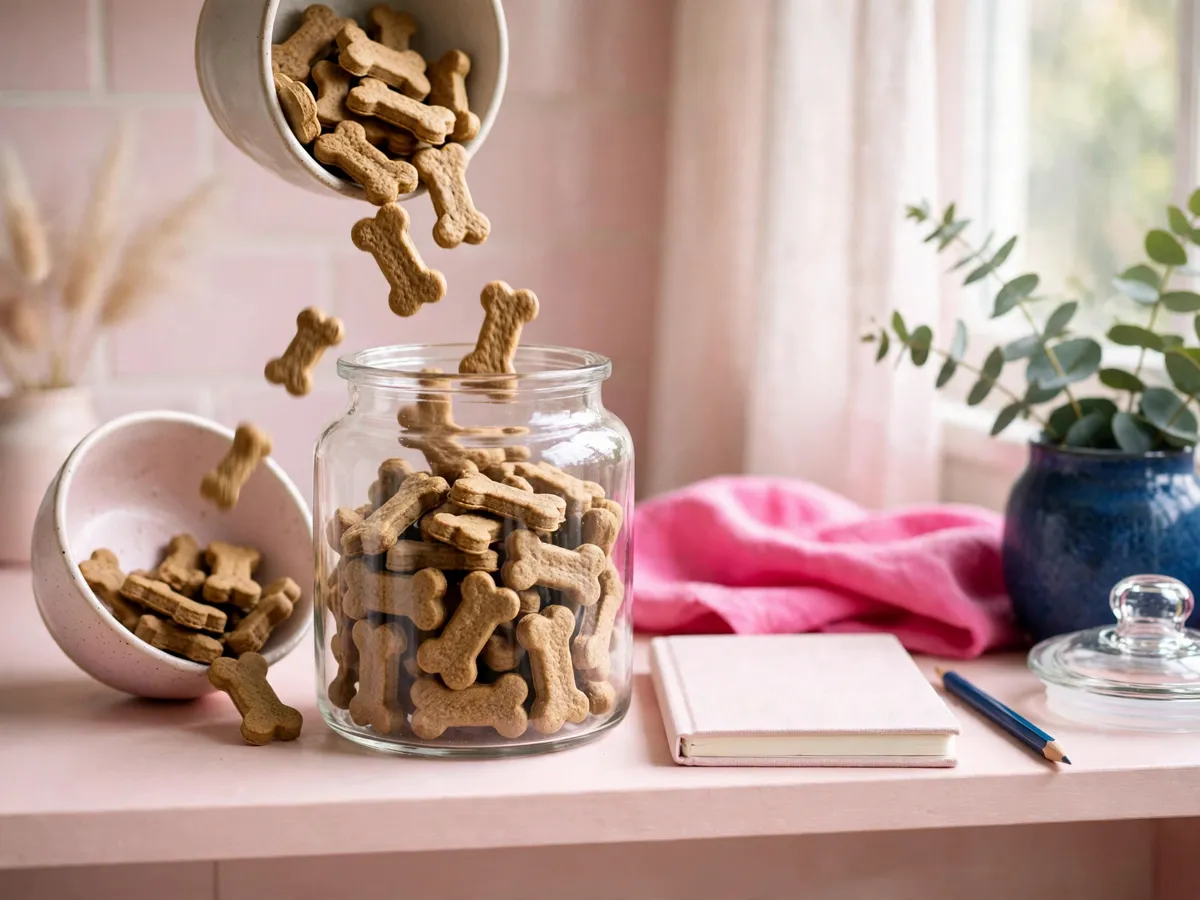
December leaves a trail. The stocking biscuits, the holiday leftovers, the training pouch that got refilled three times a day because every guest wanted to teach the dog a trick. By the first week of January the jar is half stale bags and half good intentions, and the dog has learned that the pouch means a reward bigger than the behaviour that earned it. The reset is not a punishment, it is a clearing of the desk, and it works best the week the holiday decorations come down.
The three pieces that need a reset are the same three pieces the rest of the year runs on: the jar, the share size, and the freezer batch. Each one drifts in December because December is busy, and each one is a fifteen-minute fix in January. The goal is not a new dog by February, it is the same dog with the treat routine back where it belongs, so the food bowl does the work and the treats do the rewarding.
The jar: empty it, wash it, start fresh
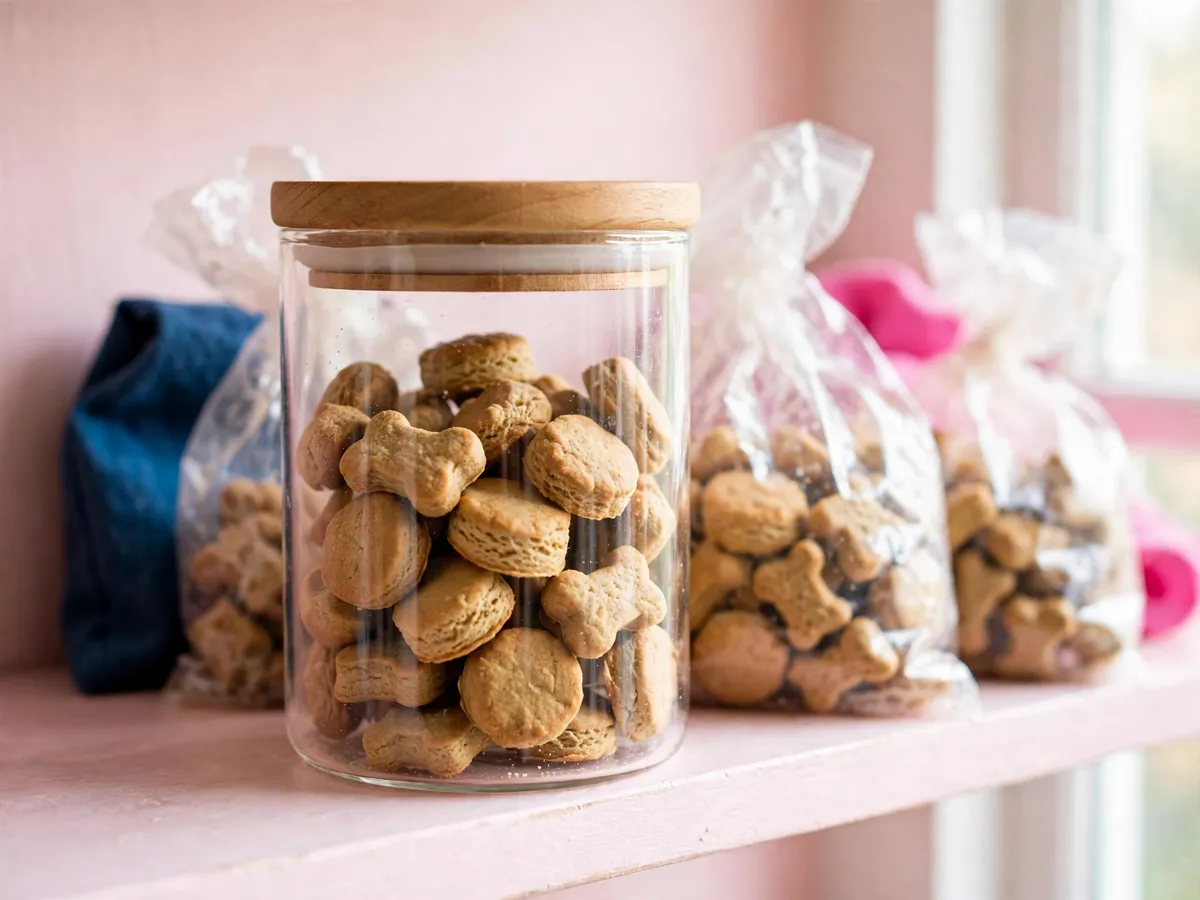
The jar reset is the first one because it is the one the dog notices. Pull everything out, including the half-empty bags at the back that have been there since October. Wash the jar in warm water and dry it, because a jar that smells like old treats is a jar that teaches the dog the next treat will smell old too. The clean jar is the fresh start, and a glass jar with a wooden lid shows the treats instead of hiding them.
The decision on each old bag is simple. If the bag smells off, the date has passed, or the treats have gone soft when they were meant to be crisp, the bag goes. If a bag is still fresh and within date, it goes back into the clean jar. The reset is about the jar and the habit, not about throwing out good food. The homemade food safety and storage page carries the same line for the food batch that sits beside the jar in the fridge, and the same wash-and-dry rule applies to every container the treats touch.
Sizing the share after a month of extras
December shares creep up. The slice of turkey that was the right size on Christmas Eve becomes the slice that is still the right size on the third of January, and the dog who earned a pea-sized training dot in November is now earning a whole biscuit for sitting. The reset is the moment the share comes back to its real size: a piece that fits the day's food, not the holiday's mood. A treat the size of a pea is the training size, and a treat the size of a thumbnail is the snack size, and both come out of the same daily amount the food bowl carries.
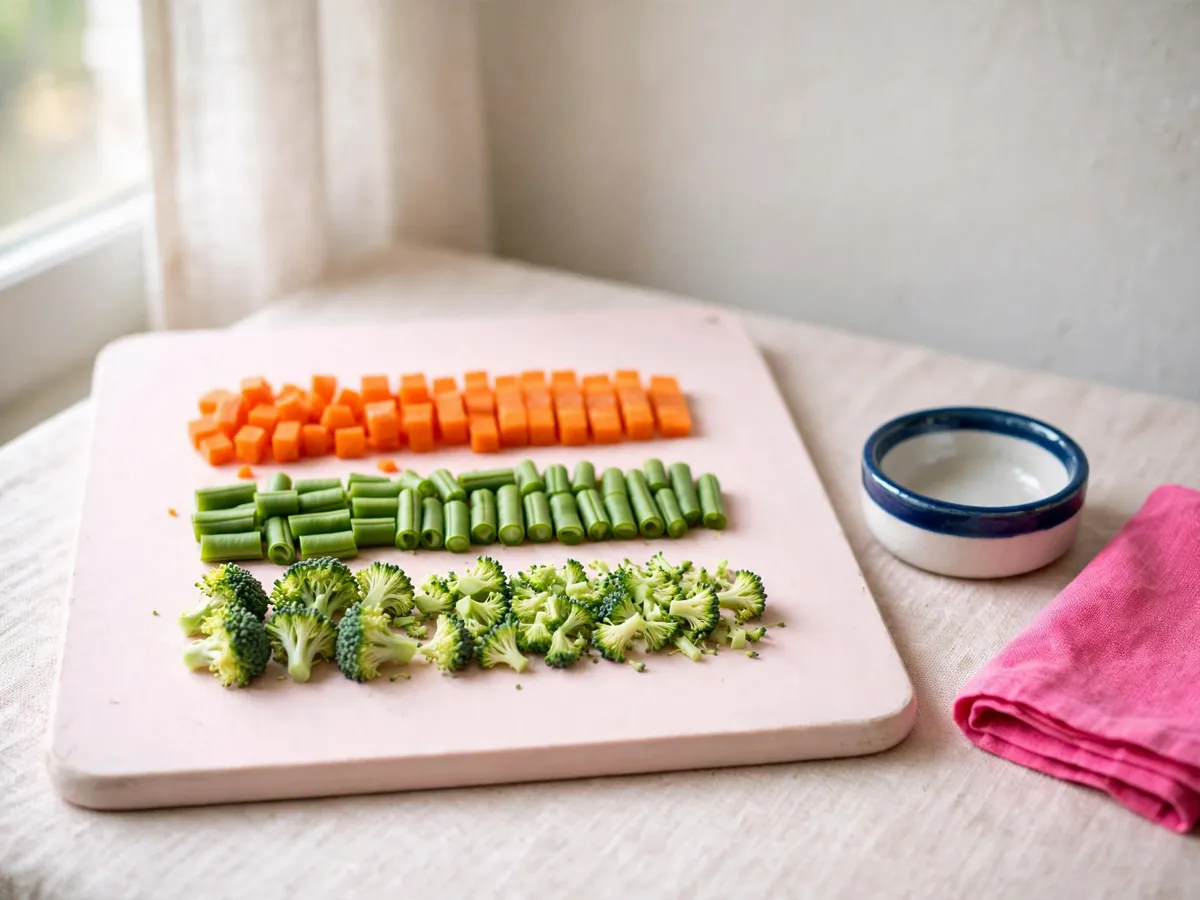
Small pieces of carrot, broccoli, green beans or cooked pumpkin make easy snacks. The vegetable drawer is the backup that keeps the jar from running the show, and January is the month to refill it. A few carrot sticks cut to training-dot size, a handful of green beans trimmed short, and a small portion of cooked pumpkin in a container are the three that sit beside the jar on the shelf. The the vegetable list walks through the full drawer, and the reset is the week to read it again and restock.
Counting training bites against the day's food
The training pouch is the piece that drifts the furthest in December. Every guest wanted to teach a trick, every walk ended with a handful of rewards, and the pouch that held twenty pea-sized dots in November held twenty thumbnail-sized biscuits by New Year. When treats are for training, keep each one as small as possible and count it against the day's food. The January reset is the week the pouch goes back to pea-sized, and the food bowl shrinks by the amount the pouch grew.
The count is simple arithmetic, not a weighing exercise. A training session that used fifteen pea-sized dots took a small share of the day's food. A session that used fifteen thumbnail biscuits took a large one, and the food bowl at dinner is where the difference shows up. The reset week is the week to measure the pouch before the session, count what comes back, and cut the dinner scoop by the same amount. After a week the eye learns the size again, and the counting becomes a glance instead of a measure.
The freezer batch and the January cook
January is the month the freezer batch earns its place. The holiday treats are gone, the jar is clean, and the next homemade bake is the one that carries the dog through the quiet weeks of the new year. Homemade dog food keeps about three days in the refrigerator and a month or two in the freezer, depending on how it's sealed. The treat batch follows the same window, and the reset cook is the one to portion flat, seal tight, and stack so a single serving comes out without thawing the whole tray.
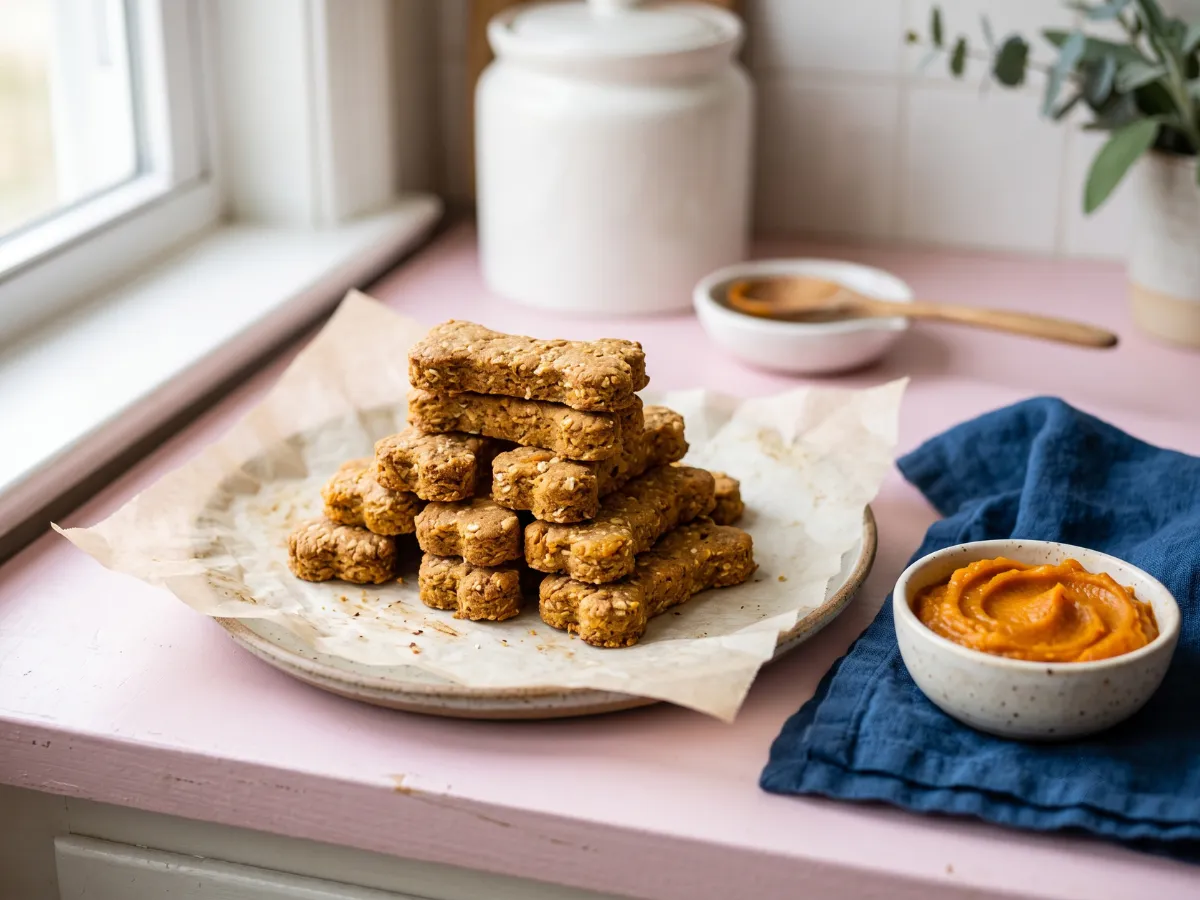
The cook itself is the simple one that runs all year. A peanut butter and oat dough, a pumpkin and oat dough, or a plain baked chicken strip cut to training size. The reset is not about the recipe, it is about the portioning. Lay the treats on a lined tray, freeze them solid, then bag them flat with the air pressed out. A bag that lies flat thaws evenly and a portion that is already sized means the pouch fills from the bag, not from the tray. The weekly meal prep planner carries the same portioning line for the food bowl, and the freezer batch and the meal batch share the same shelf.
Questions about the January treat reset
Should I throw out old treats in January?
The jar reset is about swapping stale bags for a clean glass jar and fresh batches. If a bag smells off or the date has passed, it goes. The jar is the fresh start.
How many training treats count as too many?
Training bites come out of the day's food, not on top of it. Keep each one pea-sized, and the daily amount still holds.
Can I keep homemade treats in the freezer?
Homemade batches freeze well when sealed flat. Portion them before freezing so a single serving comes out without thawing the whole batch.
The treat jar reset kit
What makes the reset easy
A clean glass jar with a wooden lid, a silicone treat mat for the pouch, and a set of portion trays that freeze flat - the three things that turn the January reset into a fifteen-minute job instead of a January project.
See the reset kit →As an Amazon Associate we earn from qualifying purchases.
Save these on Pinterest
Pin the reset before the first weekend of January. The Dog Food collection holds the recipe pages that fill the clean jar, the vegetable list that fills the drawer, and the freezer-batch pages that keep the shelf stocked through the quiet weeks.
For informational purposes, consult your vet.