 PawStyle Daily
Homemade Dog Treats & Meal Planning
Easy Crockpot Chicken Dog Food (Homemade Topper)
A crockpot chicken topper stretches kibble into a real meal: chicken + rice + dog-safe veggies, cooked low and slow, portioned by weight. This is a topper guide — not a full-diet replacement — with a keep-out list built in.
By PawStyle Daily · Updated 14 November 2026
Good to know: 10 min prep + 4h low · Topper only, not complete diet · For informational purposes, consult your vet.
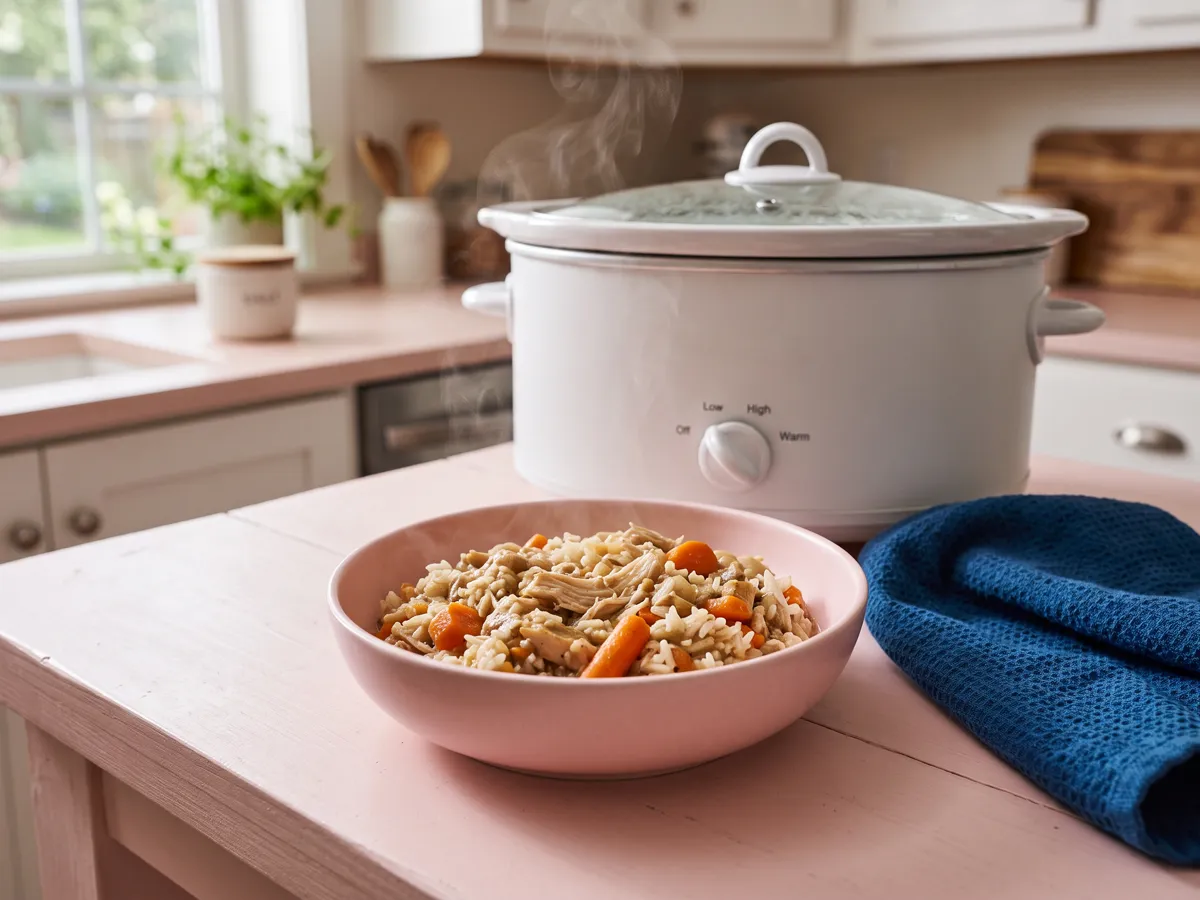
Base recipe: chicken, rice, veggies
Two pounds boneless skinless chicken breast, two cups brown rice, two cups chopped carrots and green beans, six cups water. Low 4-6 hours, shred, cool fully. Portion: topper = 25% of bowl for most adults, kibble stays 75%. Start with a small spoonful of topper, and keep the kibble as the main part of the bowl.
For puppy bowls, see the new puppy feeding portions page.
Any breed · Topper ratio 25/75 · Cool fully; refrigerate 4 days, freeze 2 months.
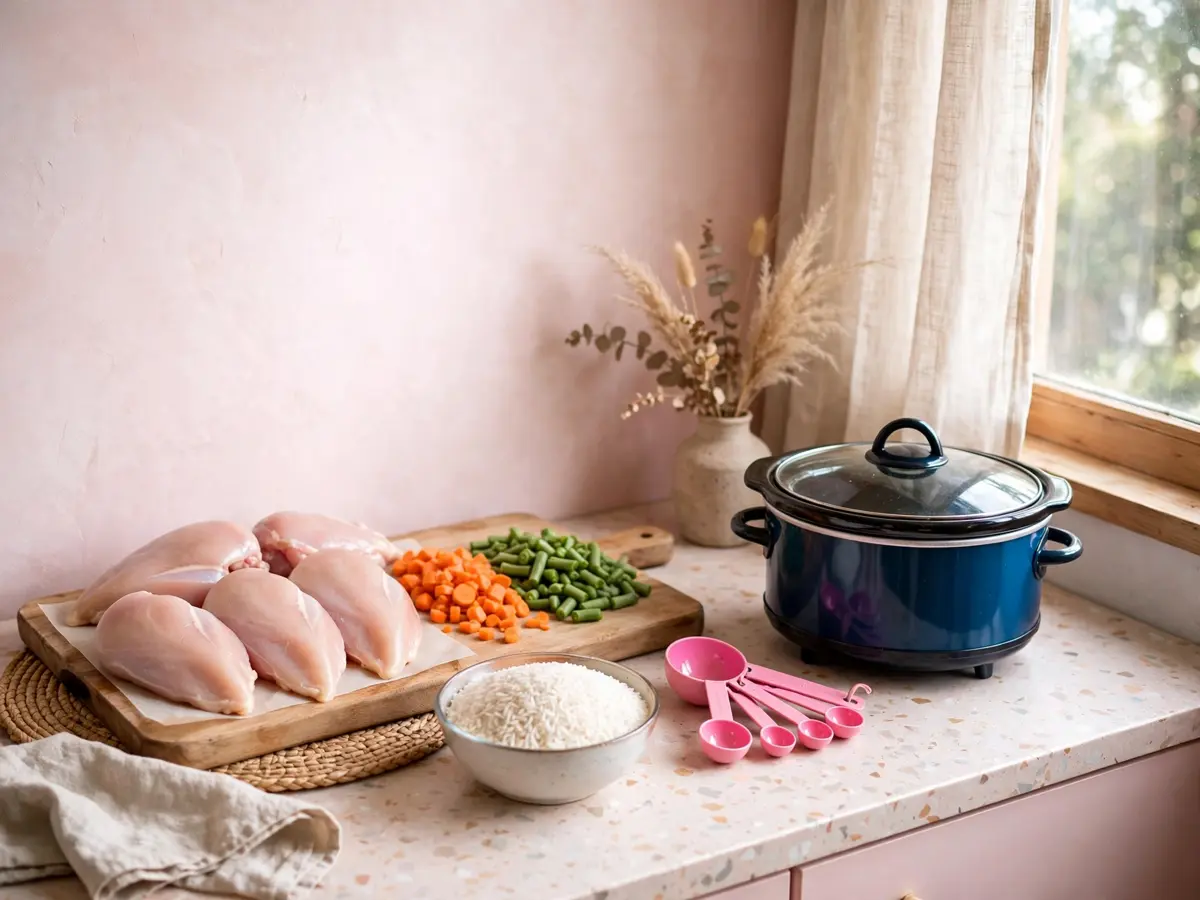
Cook day: prep the pot
The chicken is the slowest part of the morning, so trim it first and get it out of the way. Boneless, skinless breast can go in whole or cut into chunks: chunks shred faster at the end, whole pieces hold together better if you are leaving the house for the afternoon. Either is right.
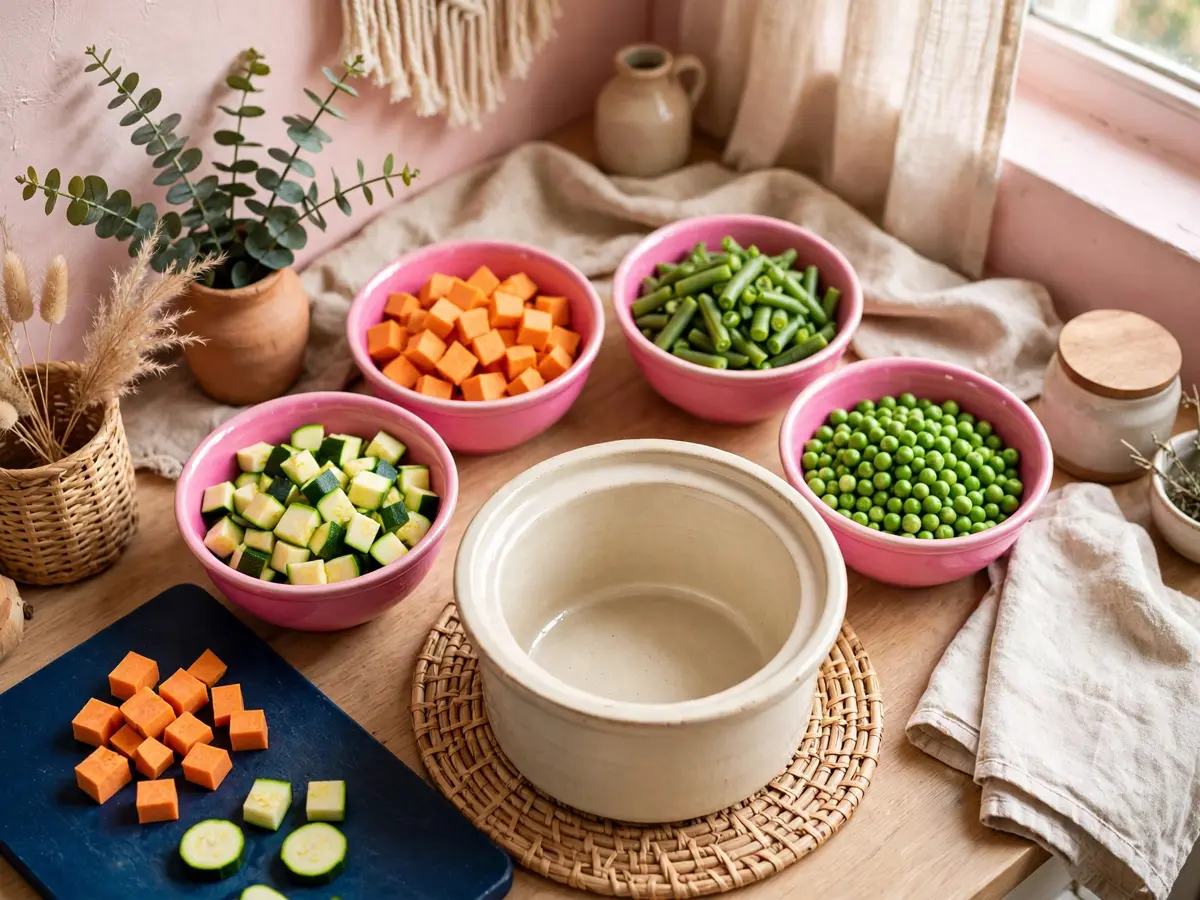
Chop the carrots and green beans small before they go in. A topper gets mixed through kibble, and a big piece of carrot is the thing a dog picks out and leaves on the floor.
Rinse the rice, add it with the water, put the lid on, set the pot to low, and leave it alone until the timer says so. Six cups is what this batch uses: enough to cover the rice with a little room to spare.
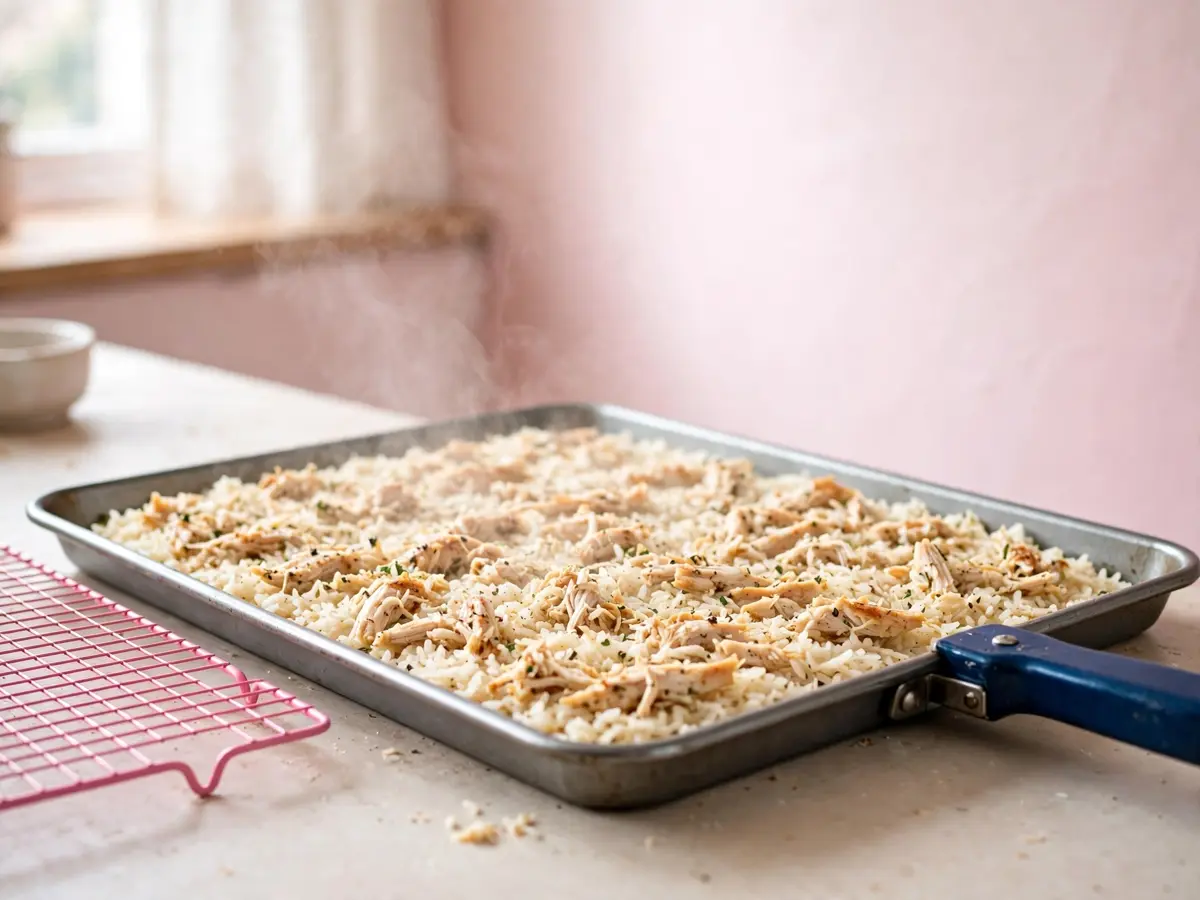
Low and slow, then cool it down
Four to six hours on low, and the batch tells you when it is done: the chicken pulls apart under two forks and the rice has taken up the water. If liquid still pools at the bottom, take the lid off for the last stretch and let it cook down.
Cooling is the step people rush. Spread the batch in a wide pan instead of leaving it in the crock, stir it every so often, and wait until it stops steaming before it goes into tubs. Cool first, lid second — that is the order we use every week.
Equipment that earns its counter space
A small crockpot is enough for this batch, and a big one is the wrong tool: the same amount spread wide in a big pot behaves differently from a deep, full one. A lidded tub set, a marker, a wooden spoon and a cutting board cover the rest.
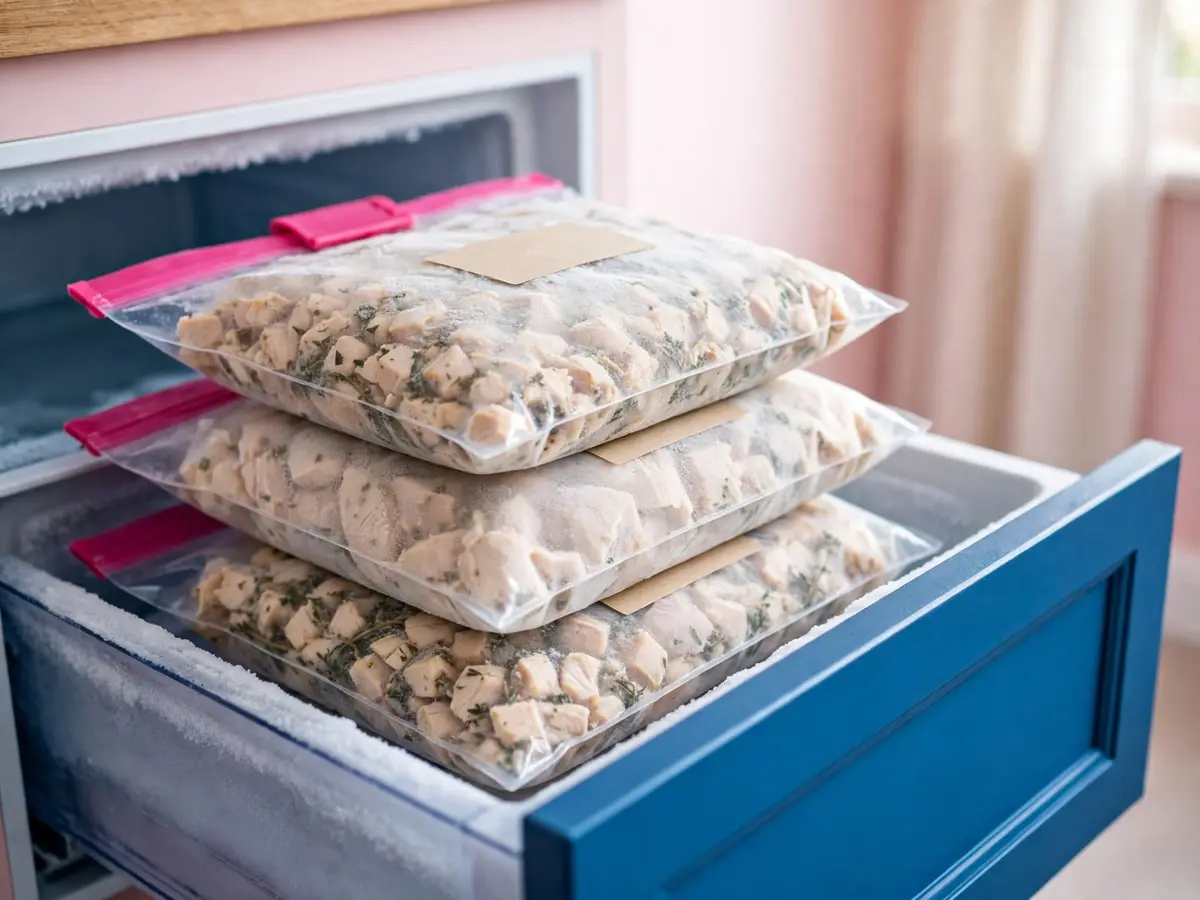
Freezer bags beat tubs for the overflow because they freeze flat and stack like books. Tubs win for the fridge week because they go from shelf to bowl without a scoop. We use both, and neither one cost much.
The one thing worth buying twice is a second cutting board, so the chicken board and the vegetable board never trade places.
What never goes in the pot
The pot stays boring on purpose, and this is the list we cook by.
Foods to keep out
| Never in the pot | Why it is out | Swap instead |
|---|---|---|
| Onion, garlic, chives | Allium family | Carrot or green beans |
| Grapes, raisins | Kidney damage | Cooked pumpkin |
| Xylitol | Sweetener risk | Plain pumpkin |
| Macadamia nuts | Weak and wobbly | Blueberries |
| Raw dough | Swells and bloats | Cooked rice |
| Chocolate, cocoa, coffee | Stimulant risk | Sweet potato |
| Raw meat, raw eggs, cooked bones | Bacteria and blockage | Cooked chicken, no bones |
Chocolate is toxic to dogs, so no chocolate, cocoa or coffee ever goes into a treat. Onion, garlic and chives belong to the allium family and can damage red blood cells, so they stay out of every homemade batch. Grapes and raisins can lead to kidney damage in dogs, so neither one goes into a bowl or a treat.
Raw dough can swell in the stomach and bloat, and the yeast in it turns into alcohol as it sits there. Xylitol is a sweetener that can drop a dog's blood sugar and hurt the liver, so it never goes into a homemade treat. Macadamia nuts can leave a dog weak, wobbly and running a fever, so they stay out of the treat jar.
Raw meat and raw eggs can carry salmonella and E. coli, and cooked bones can block a gut and need surgery. Small pieces of carrot, broccoli, green beans or cooked pumpkin make easy snacks. Small amounts of lean cooked chicken, turkey, beef or pork with no bones and no seasoning are fine to share.
The label habit takes ten seconds, and it covers more than the pot. If a product is labeled sugar-free, check its ingredient list for xylitol before it goes anywhere near a dog. The same glance is worth doing on anything new that comes into the house, and again on the jar you have bought a hundred times.
If your dog may have eaten a product containing xylitol, call your vet, an emergency clinic, or animal poison control right away. Take the packet or the wrapper with you, because a label in your hand is faster than a story from memory.
When in doubt, leave it out — the pot stays boring on purpose.
Storage and weekly plan
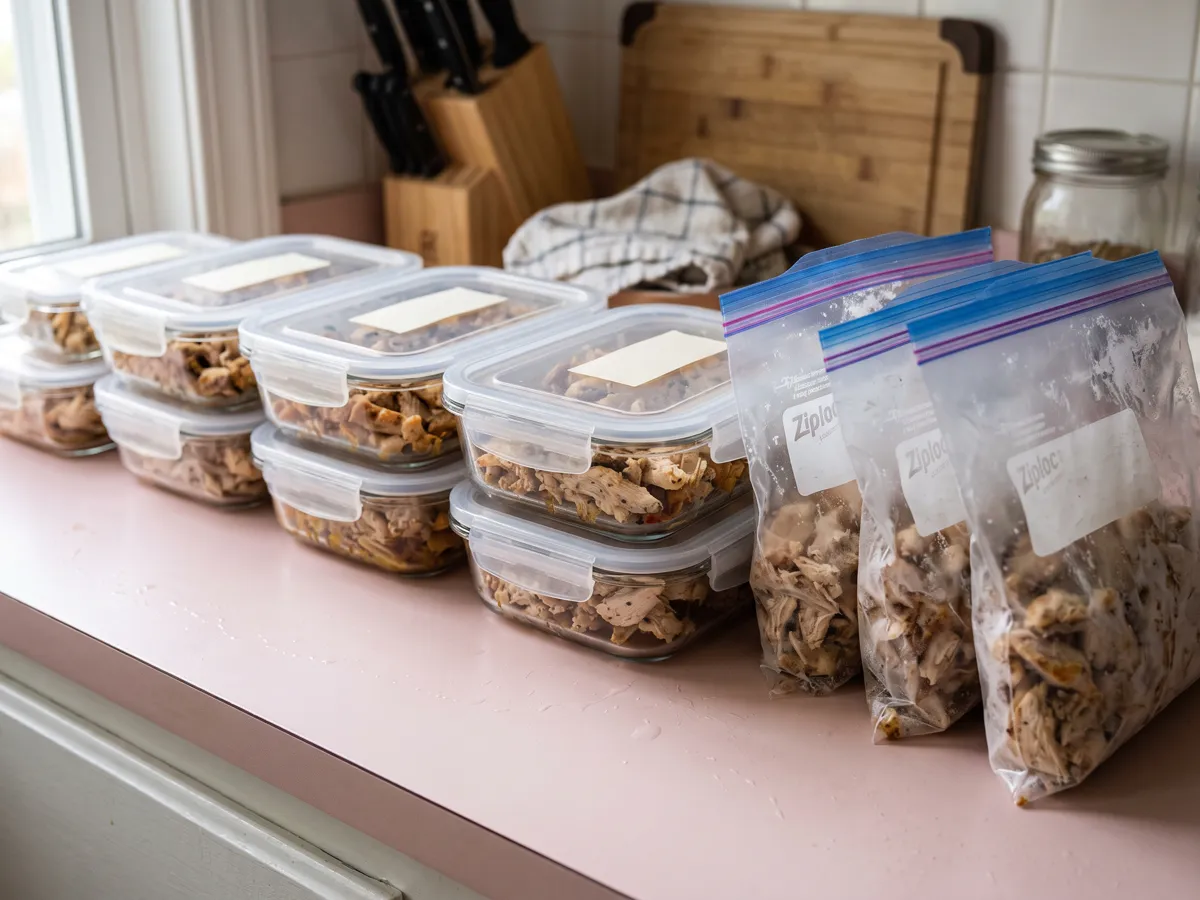
Sunday cook covers the week: two tubs in the fridge, dated freezer bags for the rest. Homemade dog food keeps about three days in the refrigerator and a month or two in the freezer, depending on how it’s sealed. That is the outside edge rather than a target, and it is the number we plan the week around.
Sealing is the part worth getting right. A tub with a real lid, pressed down, beats a bowl with a plate balanced on top. Bags get pressed flat and stacked so the freezer stays a shelf instead of a pile, and every one carries the date and the word chicken — a freezer full of unlabeled bags is a freezer full of mystery.
Thaw overnight in the fridge rather than on the counter, then warm gently and stir. The microwave is for your coffee. Oldest tub to the front, new batch to the back, and a tub that has been out all afternoon goes in the bin rather than back on the shelf. One batch is 7 days of toppers for one Golden, 14 for a Corgi, which is why the freezer half matters. The weekly dog meal prep planner is the printable version of that same Sunday session.
Treat prep for the same Sunday session is in the no-bake peanut butter dog treats.
Meal prep · Sunday 10 min · Date every bag · Three days in the fridge, then the bin.
Portion the bowl
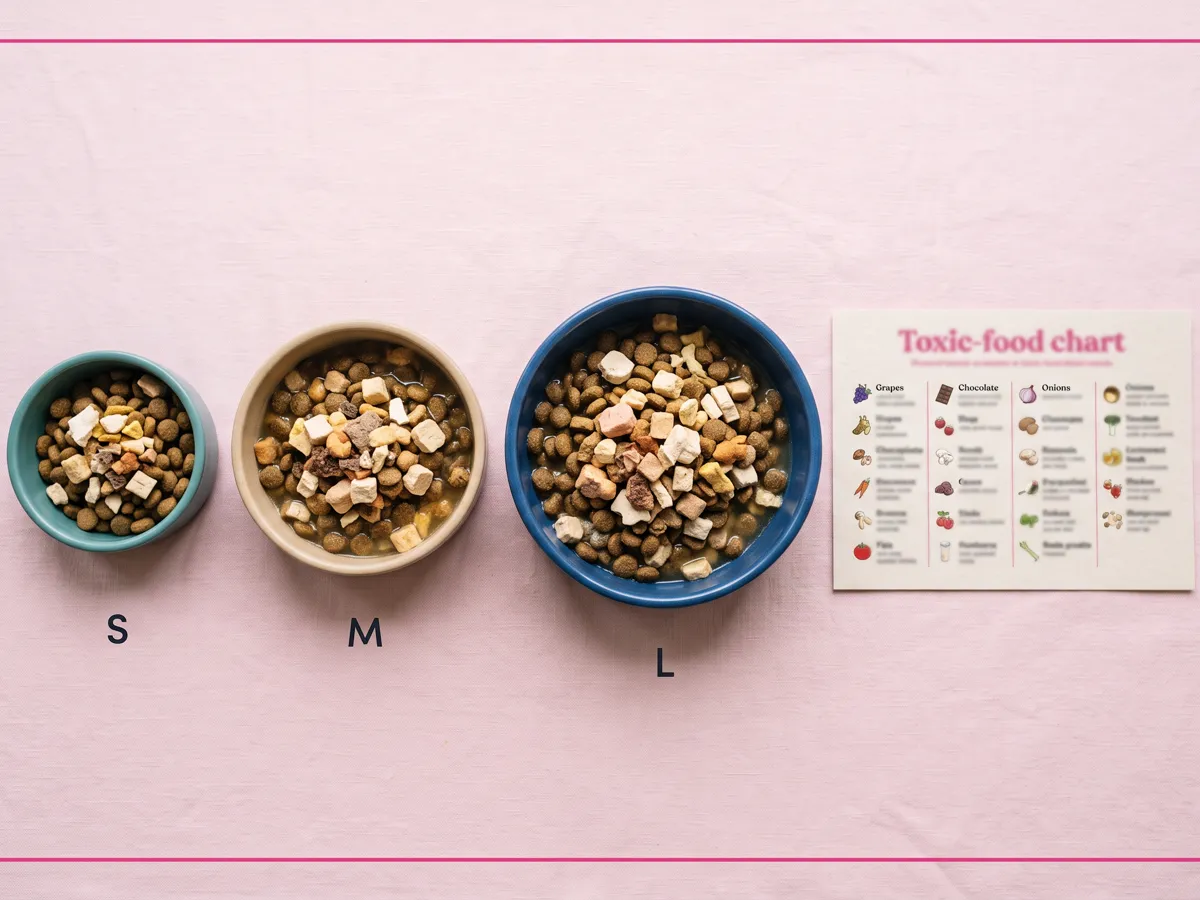
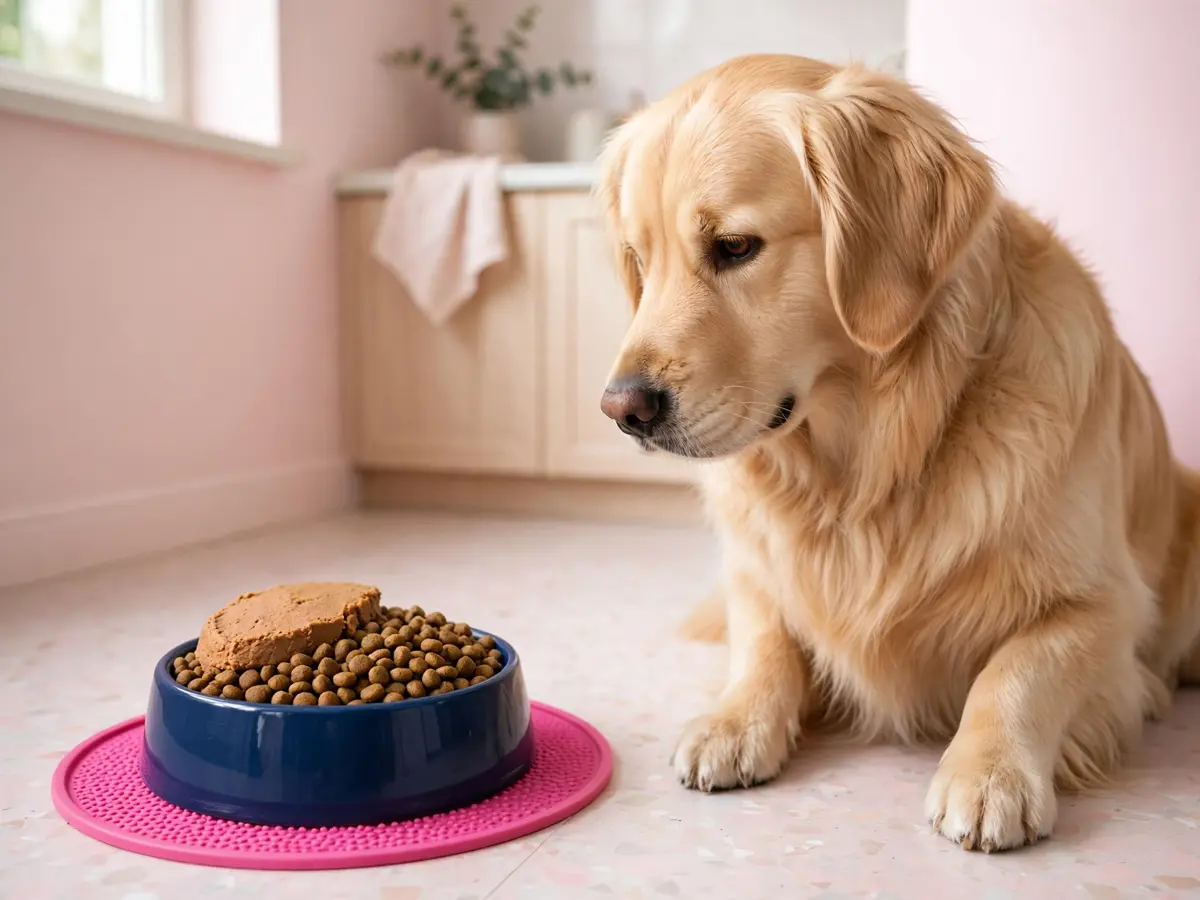
The ratio is the whole method. Topper is a quarter of the bowl for most adults, kibble stays the other three quarters, and the quarter gets mixed through rather than spooned on top. A dog who can eat the good part first and leave the rest has been handed a puzzle with one answer.
Start smaller than the ratio suggests. A small spoonful mixed through the first bowl tells you more than any table does: a dog who picks the topper out and leaves the kibble is telling you the ratio is too generous for that week.
Treats between meals are a separate budget. Treats should stay at no more than five percent of a dog’s daily calories, so keep the pieces small. The topper is part of the meal; the biscuit after the walk is not.
Puppies, seniors and dogs on a prescription diet get the vet conversation before the spoon, every time.
Swaps that keep the pot boring
A topper is forgiving, which is why it survives a week when the store is out of something. These swaps stay inside the same method, so the ratio and the cook time do not move.
Swaps for a missing ingredient
| Out of | Use instead | What changes |
|---|---|---|
| Chicken breast | Lean cooked turkey, beef or pork | Shred it the same way, no bones, no seasoning |
| Green beans | Small pieces of broccoli or cooked pumpkin | Same handful, softer bite |
| Carrots | Cooked pumpkin | Softer batch, so go lighter on the water |
| Brown rice | Cook the batch tomorrow | The rice is what holds the topper together |
| Freezer bags | Lidded tubs | Label the lid and stack them square |
| Wooden spoon | A silicone spatula | Same job, easier to scrape the corners |
Swap one thing at a time and keep the rest of the batch identical, and the pot stays boring on purpose.
Pumpkin in the bowl
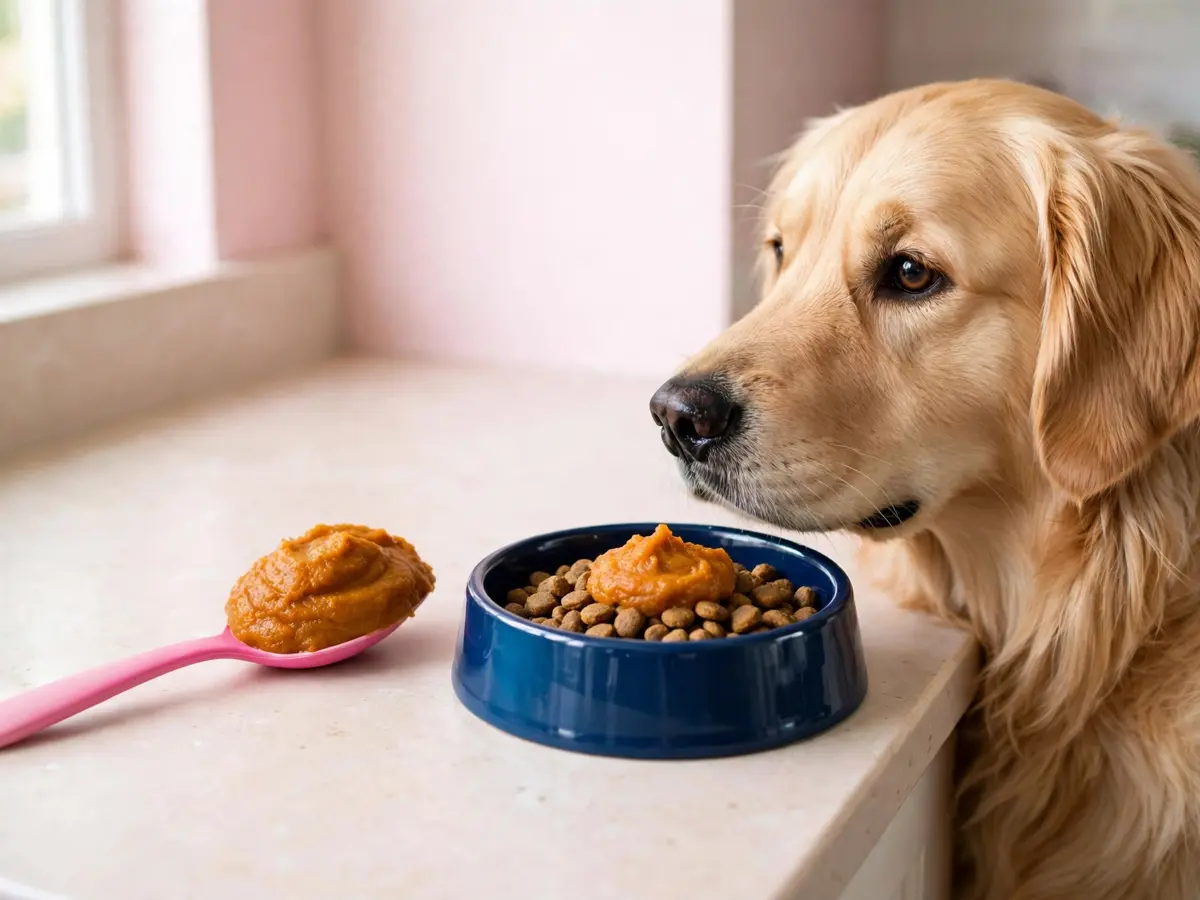
Pumpkin is the one extra we keep on the shelf beside the kibble, because it goes into a topper without changing the method. Two tablespoons (30 g) of canned pumpkin without salt is a 15-calorie treat. A spoon of it stays a small addition rather than a second meal.
Small amounts of plain canned pureed pumpkin (never pumpkin pie filling) can help bind loose stool, because pumpkin is high in soluble fiber. That is a question for your vet rather than a fix to try alone: ask first, then add a spoon beside the normal diet and keep a note of what changes.
Pumpkin pie filling is a different can. Sugar and spice belong in a pie, and the label is the only way to tell the cans apart on a crowded shelf.
Why it stays a topper
Every batch here is written as a topper for a reason, and it is worth saying plainly. The majority of homemade pet-food recipes published in books and online, even those written by veterinarians, do not provide complete and balanced nutrition. A topper steps around that by design: the complete food is still in the bowl, and the homemade part is the quarter that makes dinner interesting.
If you want to go past a topper, go past it with a plan. For pet owners who prefer to feed home-prepared diets, a consult with a board-certified veterinary nutritionist is recommended. A full diet is a different project from this one: the whole bowl gets built, not a chicken topper with rice stirred through it.
Watch the same batch cook
The recipe above is written out step by step. This video shows the same method on camera: ground chicken, rice and vegetables cooked down in a slow cooker, then drained and mixed through. Watch how the chicken breaks up at the end and how much liquid is left in the pot before you drain your own batch.

The same ground chicken, rice and vegetable crockpot recipe from this page, cooked on camera. Video by A Fork's Tale on YouTube.
The two-week rhythm
Two batches a month is the rhythm that fits a normal week: one cooling on the counter while you do something else, one in the freezer as the buffer. Cook on the day you are already home, not the day you are rushing.
The grocery list is short and it does not change: chicken, brown rice, carrots, green beans, pumpkin. Buy the chicken on the day you cook it when you can, and keep a bag of frozen green beans in the door for the week the store is out.
Freezer rotation is the only part that needs a system. New bags at the back, old bags at the front, a date on every one. And the rule that saves more batches than any label: if you would not eat it yourself, it does not go in the bowl.
When the batch goes wrong
Three things go wrong with a topper, and none of them needs a rescue.
Too dry: the rice took more water than the pot wanted. Add a splash of warm water and stir it through while the batch is still warm, then portion as usual. Too wet: the lid went on before the steam was gone, or the rice was rinsed less than usual. Take the lid off and let it sit, or spoon off the loose liquid and keep it for the next bowl.
Shredded too fine: the chicken broke down past the point of texture. It still works, but mix it through the kibble rather than setting it on top, so the bowl does not turn into soup.
Rice undercooked at the end: add a splash of water, lid back on, and give it another stretch on low. A topper is forgiving, and that is the whole point of cooking it this way.
Warm, not hot
A topper straight from the fridge goes into the bowl cold and the dog eats it anyway. We warm it because the smell is half the reason the bowl gets emptied: a spoonful of warm chicken and rice pulls a fussy eater to the bowl faster than anything we say to them.
Warm gently, stir, and test it against your wrist before it goes down. Hot food smells stronger than it tastes, and a dog who bolts a hot bowl is not enjoying dinner. Warm is a smell, not a temperature reading.
Cleanup that keeps the pot in service
Fill the crock with warm water and a drop of soap while you portion the batch, and let it sit until the bowls are done. The rice releases from the sides instead of cementing to them, and the insert comes clean with a soft cloth rather than a scrub.
Wipe the rim and the gasket on the lid, dry both upside down, and put the pot back together only once it is dry. Next cook day starts with a clean insert, which is the difference between a ten-minute job and a Sunday lost to the sink.
Topper checklist
- Boneless skinless chicken only, no cooked bones
- Topper 25%, kibble 75% — not a full diet
- No onion, garlic, grapes, xylitol ever
- Cool fully before portioning
- Date fridge and freezer packs
- Vet check before changing diet for puppies or seniors
Questions we get about the crockpot topper
Is the crockpot chicken a meal or a topper?
A topper, not a full-diet replacement. Most of a pet's nutrition should still come from their regular diet, with treats as the extra bit.
How long does a batch keep?
Fridge tubs keep for about three days and dated freezer bags for two months. Thaw overnight, warm to room temperature, and never serve it microwave-hot.
Can puppies or seniors have the topper?
Ask your vet before a diet change for puppies or seniors.
What we use
What we use for crockpot dog food
A small crockpot, freezer tubs and pumpkin puree cover weekly topper prep — picks in one list.
See what we use →As an Amazon Associate we earn from qualifying purchases.
Save these on Pinterest
Pin the base ratio for cook day. The Dog Food collection holds the no-bake treats and the puppy portions page.
Keep the keep-out list beside the pot on cook day. The ASPCA poison control center publishes a list of the people foods to avoid feeding your pets. Open the ASPCA list.