 PawStyle Daily
Pet Loss Memorial & Rainbow Bridge
What to Expect at a Pet Euthanasia Appointment
This is the page most people read once, on the day they need it. It walks through the appointment itself in plain words — what happens, in what order, and what the room feels like — so the hard day holds fewer unknowns. There is no selling here and no photography advice. Just the shape of the appointment, gently.
By PawStyle Daily · Updated 18 November 2026
For informational purposes, consult your vet. This page describes the general appointment; your own vet's plan for your pet always leads.
Why this page exists
Almost nobody tells you what the appointment looks like before you are standing in it. The fear of the unknown does its quiet work on the drive over — what will happen, whether it will be quick, whether you are allowed to stay, what you say. Knowing the shape of the appointment does not make the day easy; it just means the energy you have goes to your pet instead of to the not-knowing. That is the whole point of writing this down.
The decision is shared, and there is no wrong version of it
No one page, and no one person outside your own veterinary practice, can tell you when the time is right — that judgment lives with your vet, who can weigh the medical facts, and with you, who knows your pet's days from the inside. A veterinarian is the best person to advise on when the time is right, because medical test information is often more accurate than what an owner can observe; what you bring to that conversation is everything only you know — the good mornings, the bad afternoons, what a good day still looks like. Whether you book the appointment for next week or you are reading this the night before, the decision itself has no deadline and no spectator.
What happens during the appointment
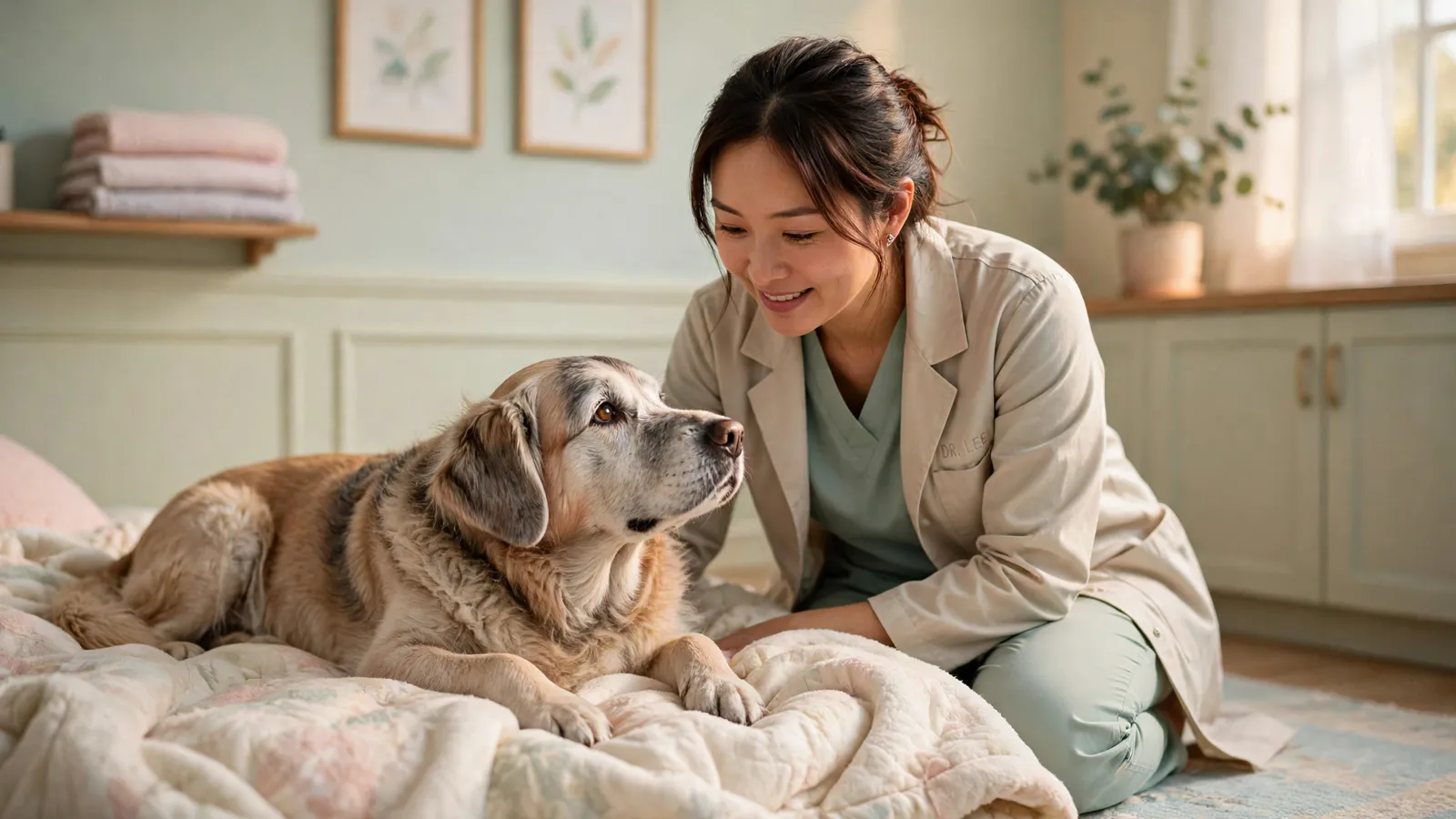
The appointment follows a gentle order, and every step is explained to you before it happens. First the space is arranged whether you asked for it or not — a mat or blanket on the floor is usual, because most pets relax when they can lie beside you rather than on the table. The vet then gives a sedative, an injection under the skin much like a vaccine, and your pet falls peacefully asleep in a few minutes with you beside them.
Only then comes the final medication, given intravenously once your pet is already deep asleep and unaware. The euthanasia process takes about 10 to 20 seconds, and the animal experiences no awareness of the end of life. The vet will listen with a stethoscope and tell you quietly when it is done, and you can take all the time in the room that you want afterwards — the clinic expects it and plans for it.
Why this is called a peaceful end
Euthanasia provides a painless, peaceful end for a pet who would otherwise continue to suffer. People sometimes carry the word heavily, and the grief is real; but the appointment itself is the gentlest medicine a veterinary clinic does. The sedation means your pet feels none of it. There is no panic, no struggle, no awareness of what is happening — the last memory is you, the blanket, and a normal day's smells. That is not a consolation prize. It is the reason the option exists.
Before the appointment
Call the clinic and ask anything you want answered in advance — whether you can stay in the room, whether children or the other family pets may come, how the aftercare choices work, and roughly what it costs. Those questions are expected, and answering them before the day means the day itself holds only one thing. Ask whether a favorite treat is allowed beforehand — many clinics say yes, and a last request of peanut butter or a beloved snack is a small kindness on the morning.
Decide at home, or with the family, whether you want the appointment at the clinic or whether a home-visit service is an option where you live. Some pets are easier at the clinic because the carrier and the car are familiar; some people want their pet to pass in the room where the dog sleeps under the desk. Neither answer is the right one — the right answer is the one that fits your pet's temperament and your own heart. If the family wants to come, tell the clinic how many; they will set the room for it.
After — and the keepsakes in your own time
Grief after this day is not a straight line, and there is no version of it that is behind schedule. The practical choices — ashes, a private cremation, a paw print — do not need deciding in the room. The clinic will hold your pet while you take the days you need, and then you call when you are ready. Nothing about that week needs a purchase you have not chosen yet.
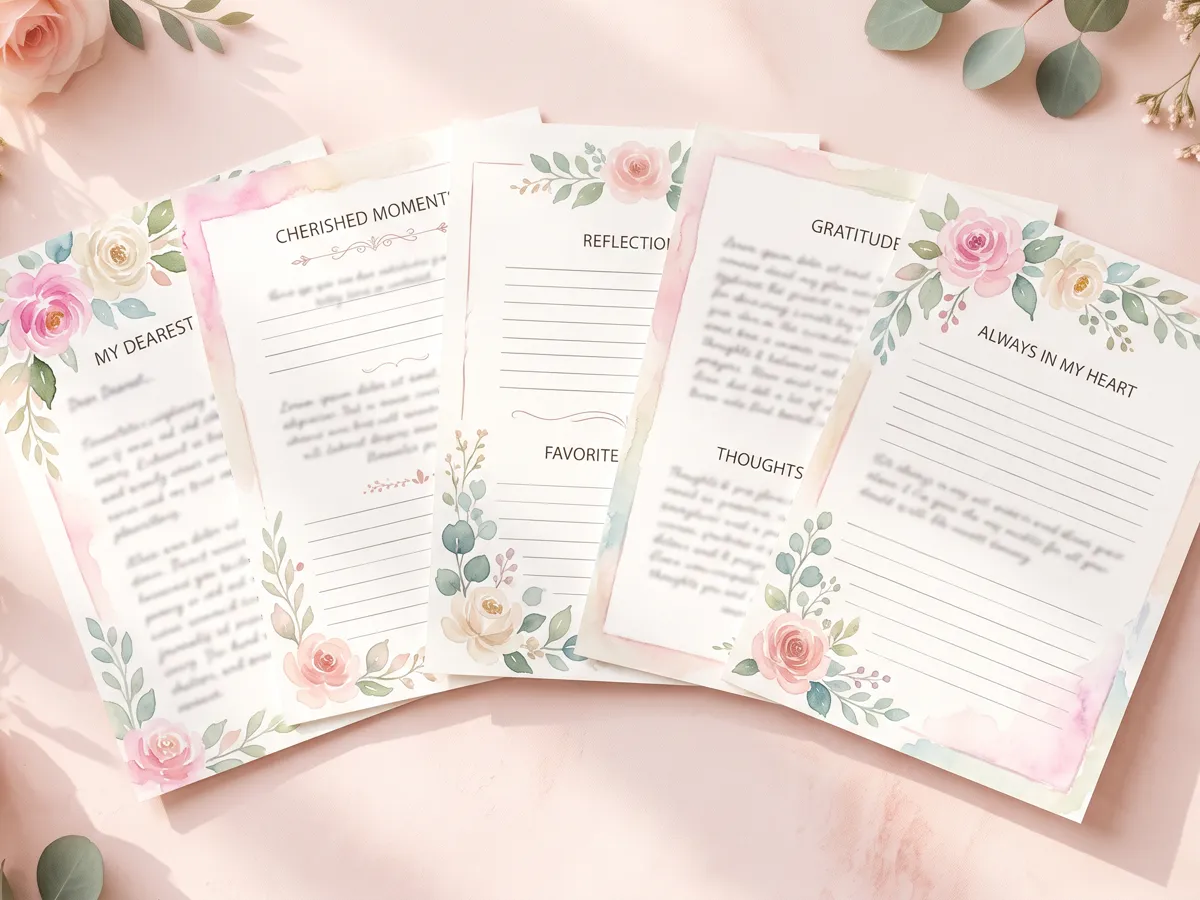
When you are ready, the quieter work of memorializing can begin — a paw print, a lock of fur kept in a small frame, a photo from the good years. If a gentle project is your way through, the rainbow bridge keepsake journal is a free printable to write into, and the memorial quotes and the words for a friend are here for the days after — whether the loss in your house is this one or someone else in your life is walking it too.
Questions people quietly ask
How do I know when it is time?
That decision belongs to you and your vet together, and there is no correct-sounding answer anyone can hand you. Your vet can read the medical picture — test results, pain signals, what the days actually look like — more accurately than observation from outside can. The page you are reading describes the appointment so the day has fewer surprises; the choice itself is a conversation to keep having with the practice that knows your pet.
Will it hurt?
Euthanasia provides a painless, peaceful end for a pet who would otherwise continue to suffer. The vet places the sedative first, and your pet drifts off before the final medication is given. The moment that matters to most people is small and quick, and your pet is not aware of it.
How long does the appointment take?
Plan for the whole visit to be unhurried even though the clinical part itself is brief. The vet walks you through each step first, at whatever pace you need, and nothing happens on a schedule you have not agreed to. The clinic team does this with families every week; telling them you want for time is a normal thing to say.
Can I stay with my pet?
Most clinics welcome it, and many people find staying is the choice they are glad they made — but leaving is not failure either. Some pets pass more easily with the personholding the leash composition of the room; some owners know they cannot stay in the room and say so. Whichever you choose, tell the clinic in advance so the plan is the one you want.
What happens afterwards?
The clinic will walk you through the options — a communal cremation, a private one with ashes returned, or taking your pet home to bury according to your local rules — and there is no deadline for deciding. Many people bring a frame of mind that the day is for the goodbye; the choices about the keepsakes can happen later, in the quieter week that follows.
A gentle place to keep this
If today is that day, we are sorry, and we hope the appointment holds the peace it is meant to. The Pet Loss Memorial collection gathers the quiet pages — the grief guide for the weeks that follow, and the sympathy card words for everyone else who loved your pet too. Save this page wherever you keep things that matter.