 PawStyle Daily
Pet Loss Memorial & Rainbow Bridge
Pet Memorial Tattoo Ideas and Quotes
A tattoo is the version of the keepsake that goes everywhere with you. This page walks the ideas that hold up over a lifetime on the skin: the nose print that beats a generic paw, the portrait worth the chair time, the placement that keeps line work readable for decades, and the short line of lettering that fits on one rib. Every design here is a way of carrying the animal forward, and every one pairs with the softer keepsakes — the frame, the journal, the letter — for the days the ink is not the whole answer.
By PawStyle Daily · Updated 19 November 2026
For informational purposes only · craft and keepsake ideas, not medical advice.
Why a tattoo, and why alongside the rest
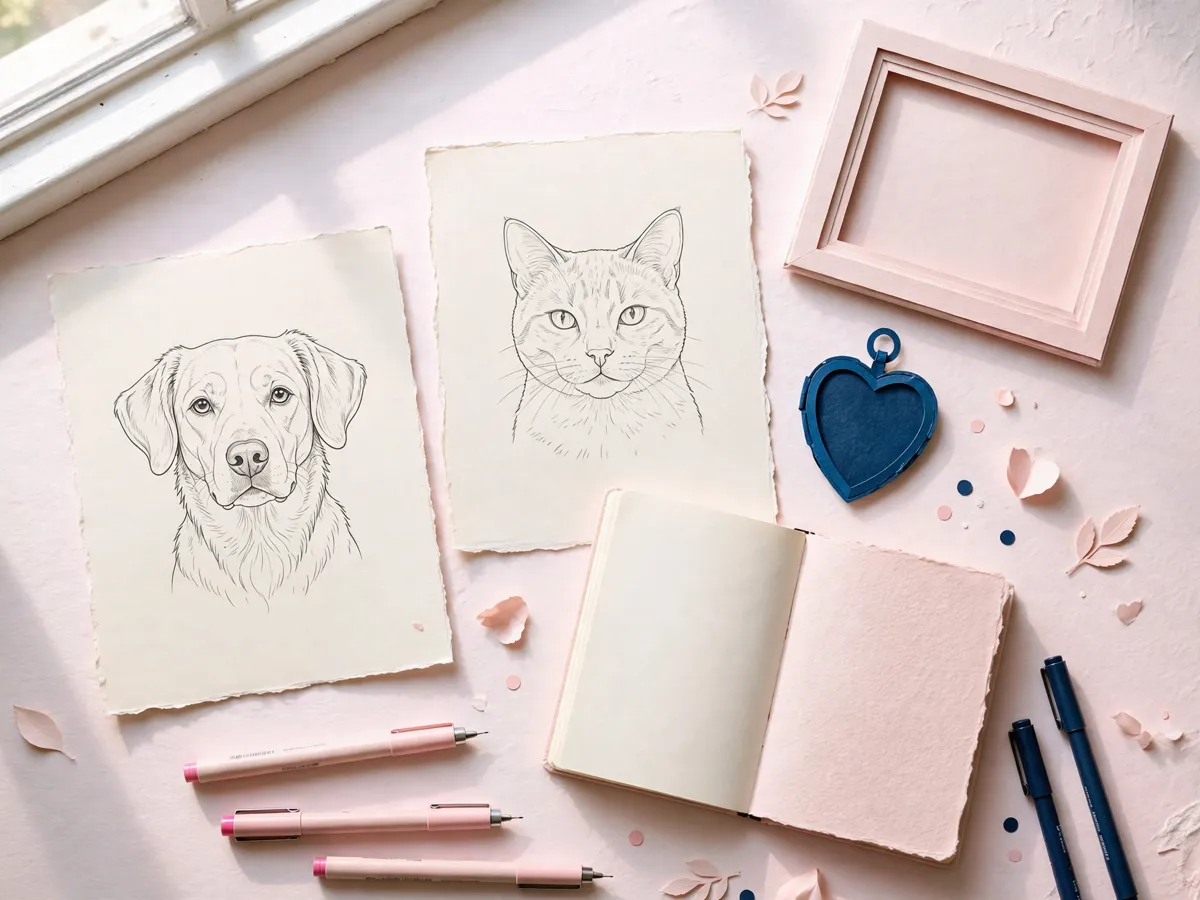
Some people want the name where they can see it every morning. Some want the paw where a sleeve covers it on a workday and shows it on a weekend. A tattoo earns its permanence by being chosen, not by being the only thing on the shelf. The same hand that books the chair usually has a photo on the fridge and a collar in a drawer, because the ink is one language and the paper is another, and most people speak both.
Memorializing a pet can include scattering ashes in a meaningful place, planting a tree or flowers, keeping an urn with a photo and collar, making a scrapbook, or writing a letter to the pet. A tattoo sits beside all of those, not in place of them. The chair appointment is one afternoon. The keepsakes are the months around it. Plan for both, and let either one carry as much weight as it needs to.
The feeling under the ink
Grief is a natural response to the loss of a pet, regardless of their age, size or species. The hamster with the two-week goodbye earns the same chair as the dog who was there for every move. The size of the animal does not set the size of the tattoo, and it does not set the size of the feeling either. A tiny line on a wrist can carry the whole of a fourteen-year friendship, and a half-sleeve can carry a rabbit who was only in the house for a year.
So the first decision is not the design. It is giving yourself permission to want one at all. Some people book the consult the week after. Some people wait a year, or two, and bring the same idea they had on the first day. Both are normal. The ink does not expire, and neither does the love it stands for.
Nose print and paw print: the likeness that beats a stock drawing
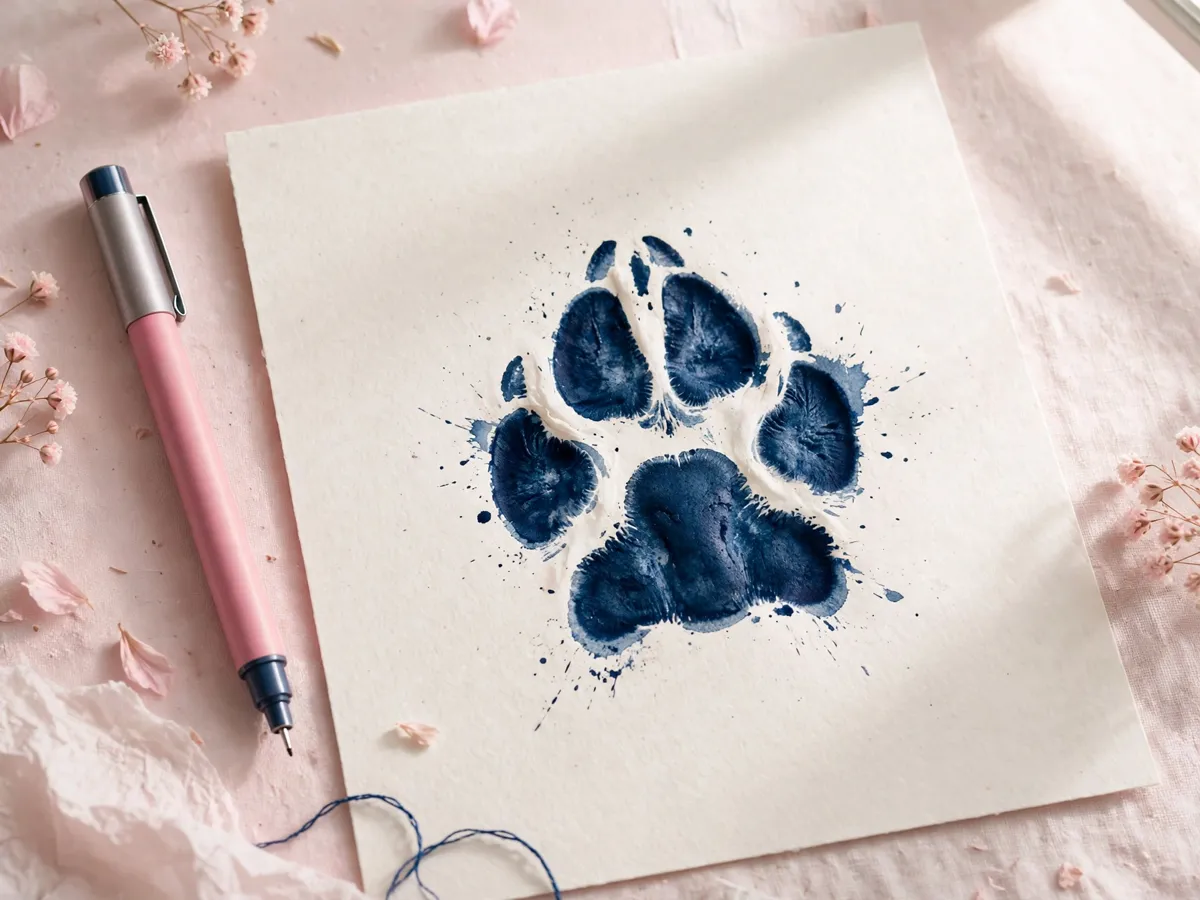
A generic paw print is the clip-art version of the idea: four toe beans and a pad, and it could belong to any dog on the block. A nose print is different. The nose leather is as individual as a fingerprint, so an ink print of it, pressed on paper at home or taken by your vet, becomes line art that belongs to exactly one animal. That is why it beats the generic paw for a likeness, and why most studios will happily trace a real print into a stencil.
Getting the print is the only step that needs the pet, and it can happen before or after a passing. An ink pad and a sheet of card stock at home is enough; many vets take a nose or paw print after a passing if you ask, and clay kits exist for the same purpose. Whichever route you take, photograph the print at high resolution the same day, because the paper is the fragile original and the photo is the one you hand the artist.
The portrait: worth the chair time, worth the artist search
A portrait tattoo is the most demanding design on this page and the one most worth the search for the right artist. The photo you bring should be sharp, evenly lit, and show the face at the angle you want carried — a phone snap in backlight will not translate, and a good artist will tell you so on the spot. Look for a portfolio with real-animal realism, not just lettering, and book the consult before you book the session. The consult is where the two of you agree on size, placement, and how much of the background stays.
Portraits want room. A face compressed into a small circle on an ankle loses the detail that made it worth doing, and a face stretched across a shoulder blade keeps it. Expect more than one sitting for a piece larger than a hand, and expect the piece to settle between sessions — the studio's aftercare sheet is the one to follow, and a piece that is still raised or flaking is not ready for the next pass.
Which print or portrait idea for which feeling
| If you want | Reach for | Why it fits |
|---|---|---|
| Something only your pet could own | A nose print, traced from a real ink impression | The nose leather is individual; the line work is simple and ages well |
| The face you remember most | A portrait from one sharp, evenly lit photo | Realism needs room and the right artist, but it carries the likeness no print can |
| A small, quiet mark | A single paw or a short word | Small line work fits anywhere and stays readable for decades when the line is clean |
| Their name in their owner’s hand | Lettering traced from your own handwriting | A scanned note becomes the stencil, so the script is yours, not a font |
Every idea on this page pairs with a softer keepsake — the frame, the journal, the letter — for the days the ink is not the whole answer.
Placement: where line work stays readable for decades
Skin moves, stretches, and collects sun, and those three facts decide which designs survive a lifetime on the body. Places with less sun and less stretch hold line work longer: the inner arm, the ribs, the shoulder blade, and the calf. Hands, fingers, and the inside of the foot are the places line work goes to blur, and most artists will steer you away from them for a memorial piece you want to keep.
Size is the other half of the same question. Lettering shrinks badly: a line of text that fits on a coin at twenty will look like a smudge at fifty, because the skin between the letters softens and the strokes spread. If the wording matters, give it room, and keep the line count short. The studio's artist will mark placement with a transfer before any needle touches, so you see the size and the spot in the mirror first — that is the moment to move it, not after.
The short line of lettering
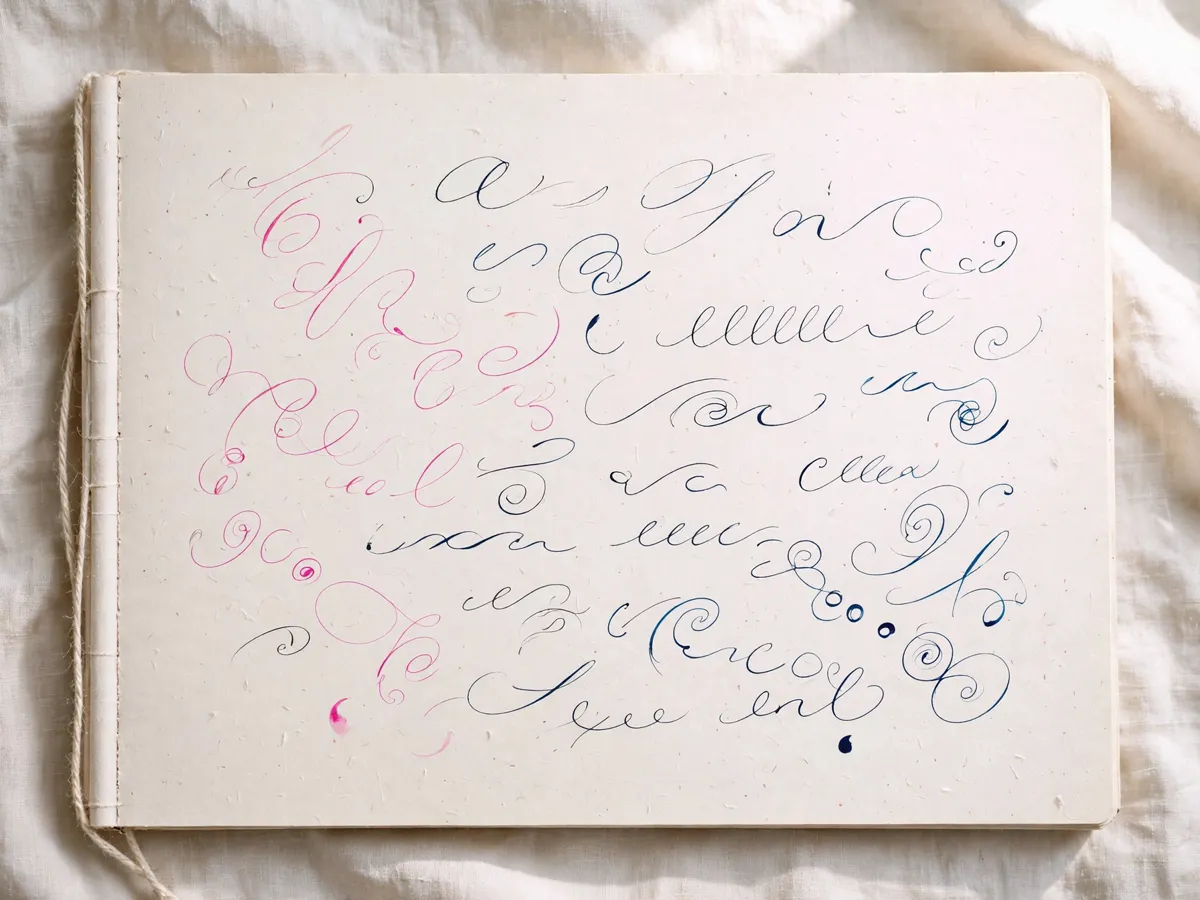
A few words can carry as much as a portrait, and they fit where a face will not. The rule for lettering is the same one the quote pages use: one line, plain words, nothing borrowed. The line that ages best is the one you wrote, in your own hand, because a scanned note becomes the stencil and the script stays yours instead of a font someone else chose. A name, a date, and three words of your own is enough for a rib, a wrist, or the curve of an ankle.
For the lines themselves, the memorial quotes for comfort page holds short, copy-ready wording written to fit on one row of a card — and on one line of skin. Pair the line with a tiny paw or a nose print above it, and the whole piece reads as one image instead of two.
The day of, and the months after
The studio runs the appointment, and the studio runs the healing. The artist marks the transfer, you confirm the placement in the mirror, and the needle does its work. After that, the studio's aftercare sheet is the only instruction to follow — keep the piece clean, keep it out of the sun, let the surface do what it does, and go back for the touch-up if the artist asks for one. A piece settles between sessions, and a piece that is still raised is not ready for the next pass.
The months after are when the tattoo becomes one of several keepsakes instead of the whole event. The DIY memorial frames page holds the softer version of the same likeness — a photo under glass, made from what you already own — and the DIY memorial jewelry page carries the same line or print on a chain for the days you want the keepsake where a tattoo is not. Ink, paper, metal: three materials, one animal, and the one you reach for on any given morning is allowed to change.
Questions about memorial tattoos
What is a nose print tattoo?
An ink print of the nose leather, pressed on paper at home or taken by your vet, turned into line art. Every nose is as individual as a fingerprint, which is why it beats a generic paw print for a likeness.
Where do memorial tattoos age best?
Places with less sun and stretch hold line work longer: the inner arm, the ribs, the shoulder blade. Your artist will steer placement during the consult.
How do I get a print after my pet has passed?
Many vets take a nose or paw print after a passing if you ask, and clay kits exist for the same purpose at home. It is one more way of memorializing a pet alongside the urn, the scrapbook, or the letter.
Save these on Pinterest
Pin this page for the day you are ready to book the chair, or send it to a friend who is circling the same idea. The Stories collection holds the keepsake pages that run alongside the ink — the frames, the jewelry, the journal — for the days the tattoo is one of several ways of carrying them forward.