 PawStyle Daily
Pet Loss Memorial & Rainbow Bridge
DIY Pet Memorial Stepping Stones for the Garden
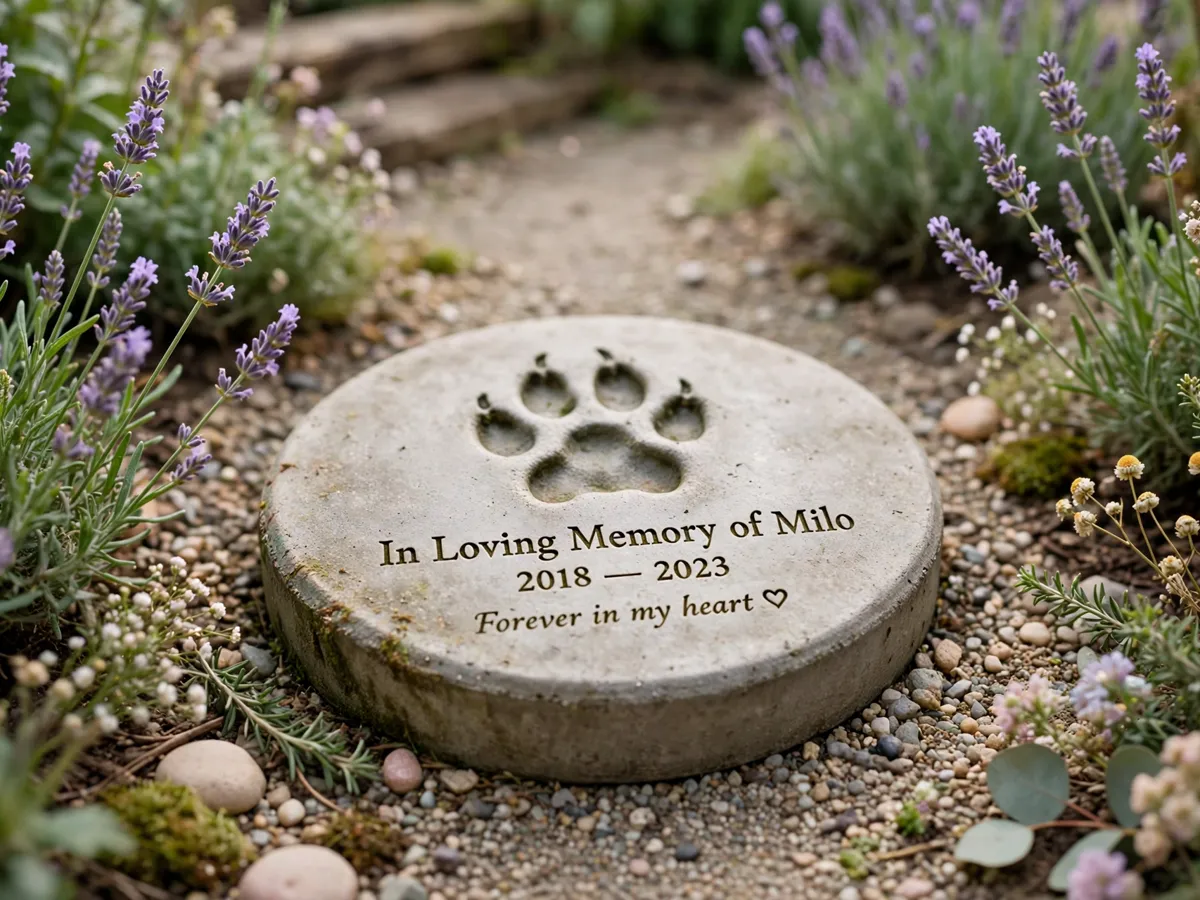
A memorial stepping stone is the keepsake that lives where the pet lived: in the path they walked to the door, in the corner where the afternoon sun landed, along the route they patrolled every morning. The project takes one afternoon, a bag of mix and a paw pressed at the right moment, and it weathers seasons outdoors better than almost any indoor keepsake survives a shelf. This page covers the mixes and molds that hold up, the print method that works on the first try, and the placement that turns a stone into part of the garden.
By PawStyle Daily · Updated 19 November 2026
For informational purposes only. No deadline on the project, and none on the grief beside it.
Why a stone belongs in the memorial set
Most memorial keepsakes live indoors: the frame on the shelf, the locket at the collarbone, the envelope in the drawer. The stepping stone is the one that lives outside, in the weather the pet knew, and it does something the shelf pieces cannot: it is walked past, stepped over and rained on, part of the garden's ordinary days rather than a display visited on purpose. For a pet who owned a garden route, a patio corner or a favorite patch of grass, the stone puts the memory in the spot itself.
The project also welcomes company. Children can press a print or stamp a name, a partner can mix, a friend can carry the stone to its spot, and the afternoon of making becomes part of the memorial. The indoor keepsakes hold the private grief; the stone holds the shared version, out where the whole household walks. The pet memorial gifts and keepsakes page covers the indoor formats that pair with it.
Materials that survive seasons outdoors
The mix that holds up outside is a concrete or mortar mix, not a craft plaster. Plaster is soft, drinks water and crumbles through its first winter; concrete sets hard and takes the freeze-thaw cycle in stride. The mold is whatever shape the path wants: a pizza pan, a plastic planter saucer, a cardboard form lined with a trash bag, or a premade stepping-stone mold from the craft aisle. Oil the mold lightly and the stone drops out clean.
Water is the only real enemy once the stone has set fully, so the seal matters more than the decoration. A concrete sealer brushed on after the stone has hardened, and again once a year after that, keeps rain out of the surface. Winter brings its own rule: salt-based de-icers near the stone pull moisture into the concrete and flake the face off, so the salt-free products go on the paths nearby. A stone that stays dry inside its sealer holds its print crisp for years, and the yearly reseal is the entire maintenance plan.
The paw print method that works
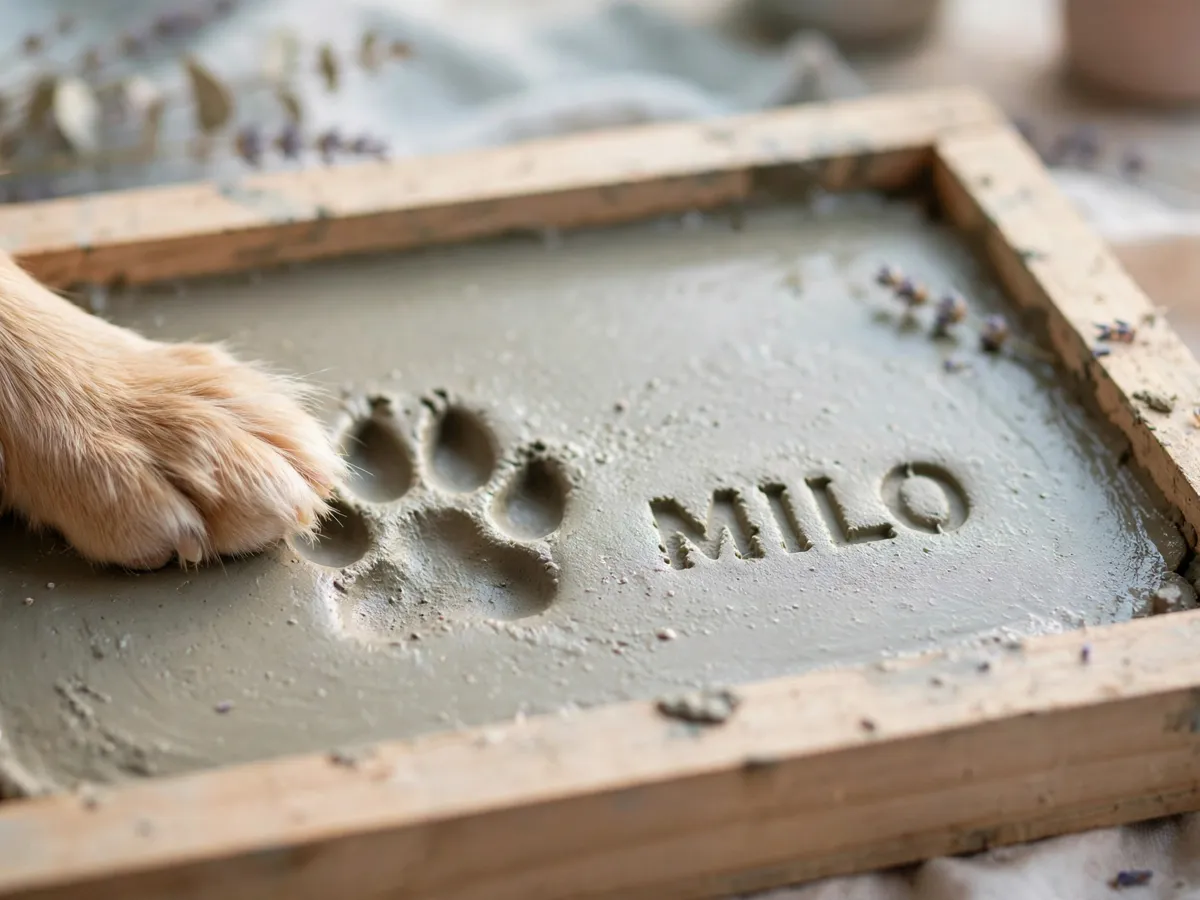
The print window is the firm stage: the mix stiff enough to hold an impression, soft enough to take one cleanly. Press the paw straight down and lift straight up, no rocking, and the pad and toes read clean. Wipe the paw with a damp cloth beforehand so the print is the pet's, not the garden's, and have a helper hold the pet and a treat waiting at the end. The whole press takes a second; the setup takes the planning.
The name goes in beside the print while the surface is still soft, stamped with letter stamps or written with a bamboo skewer, plus the date if the household wants it. Every print session includes a spare: a second small mold from the same batch, for the practice press and for the paw who refuses at the wrong moment. A wiggly pet can leave a print in a slab of soft clay pressed into the stone instead, which also catches a print made after loss from a paw the household cannot press again. The setting time runs under plastic in the shade, damp for the first days, and the stone is ready for the garden once it has fully hardened and been sealed.
Where the stone sits in a garden path
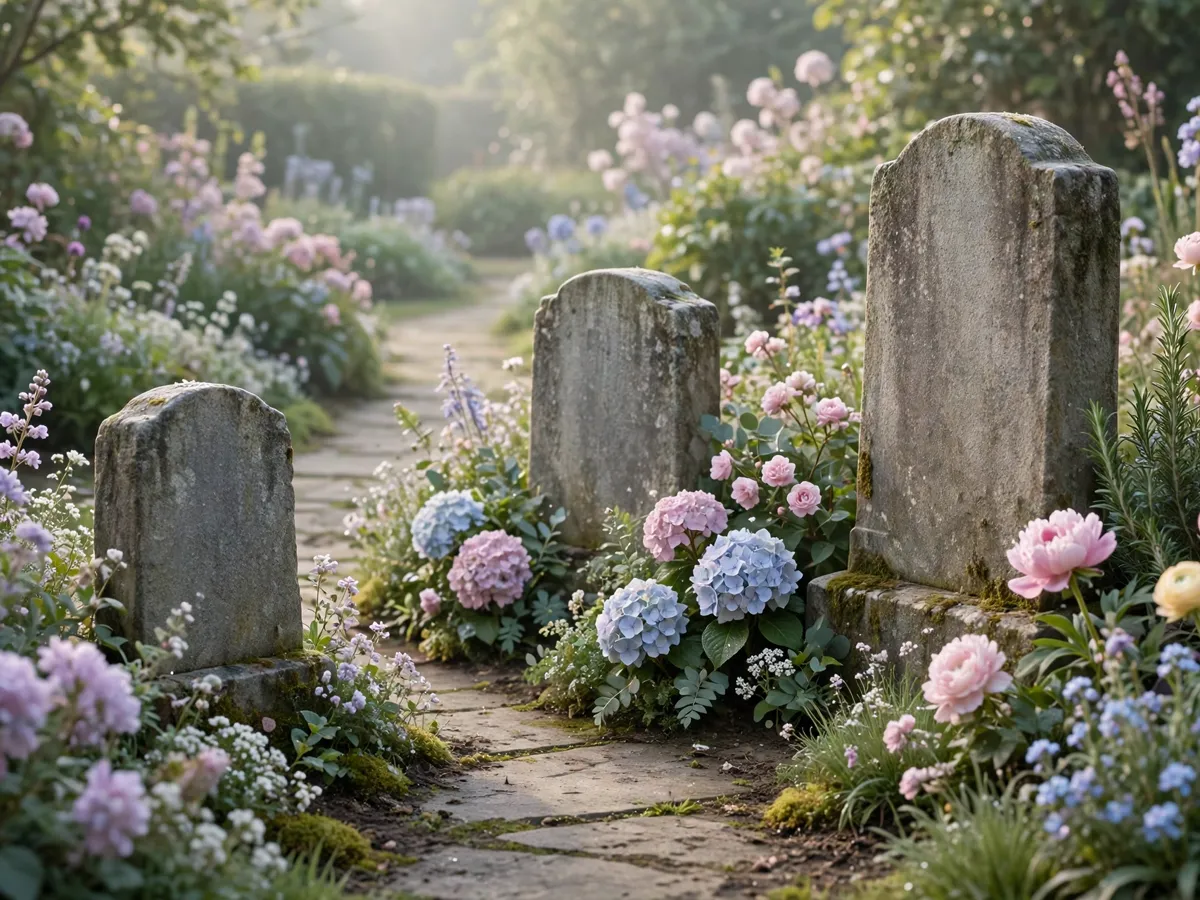
Placement is the meaning of the project. The stone belongs where the pet was: the walk edge they patrolled, the corner where the sun hit at four o'clock, the spot beside the bench where the evening ended. A stone set into the path itself, at walking height between the other stones, gets passed every day, which is the quiet version of remembrance a garden does best. A stone set slightly apart, in a planted corner, becomes the spot the household pauses at instead.
The practical notes sit under the sentiment. Set the stone on a bed of sand or packed soil so it sits level, sunk until the top sits just above grade, where a mower can clear it and a foot cannot tip it. A stone left proud of the path chips at the edges; a stone sunk flush ages into the path. Sizes vary more than people expect, from a small round stone at a garden corner to a full paver in the walk, and the right size is the one that fits the spot the pet chose, not the biggest mold in the shed.
Pairings and pacing
The stone pairs with the garden itself. A lavender planting beside a path stone, a spring bulb above a corner stone, or a small bench facing the spot turns placement into a scene. The indoor set pairs too: the same name on the stone and on a framed keepsake, the photo of the pet at that spot in the frame inside. The DIY memorial frame keepsakes page builds the indoor half of that pairing.
There is no normal timeline for grief after losing a cat - it takes as long as it takes. The stone project honors that without ever saying so. The bag of mix can sit in the shed through the weeks when the project feels impossible, and the paw can be pressed on an ordinary afternoon a season later, or remembered in a clay print if the pressing window has passed. Some households pour the stone the first week because doing something is what the hardest days ask for; some wait a year and press the print from memory in letters instead. The garden keeps the spot open either way, and the stone belongs there whenever it arrives. The doing counts on its own terms: some households pour the stone in the first week, and for them the project is the comfort; some wait a year and the comfort is the waiting.
Stepping stone questions
What materials survive outdoors?
A concrete or mortar mix sealed against water. Salt-free de-icers nearby and a yearly reseal keep the surface from flaking.
How do I press a paw print?
Press while the mix is at the firm stage, straight down and straight up. Practice on a spare batch first, and have a treat ready for the paw holder.
Where should the stone sit?
A spot the pet used every day: the walk edge, the garden corner or beside a bench. Placement matters more than the stone size.
Save this garden memorial guide
Pin it for the afternoon the mix comes home, and keep the placement rule handy for the day the path is ready. The Pet Loss Memorial collection holds the rest of the shelf, from the keepsake journal to the frame projects that live indoors.
This page pours the stone in the driveway; a stone you did not pour is for the family that will not mix concrete.