 PawStyle Daily
Homemade Dog Treats & Meal Planning
Homemade Dog Food With Ground Beef: Bowls and Batch
One pan, a bag of rice, and the leanest grind on the shelf: ground beef is the cheapest way into homemade dog food, and the drain-the-fat step is what makes it a good one. This page walks the stovetop bowl from browning to storage, with the raw-handling rules kept in plain sight. For informational purposes, consult your vet.
By PawStyle Daily · Updated 18 November 2026
Good to know: one pan · Brown fully, drain the fat · Airtight tub, dated lid.
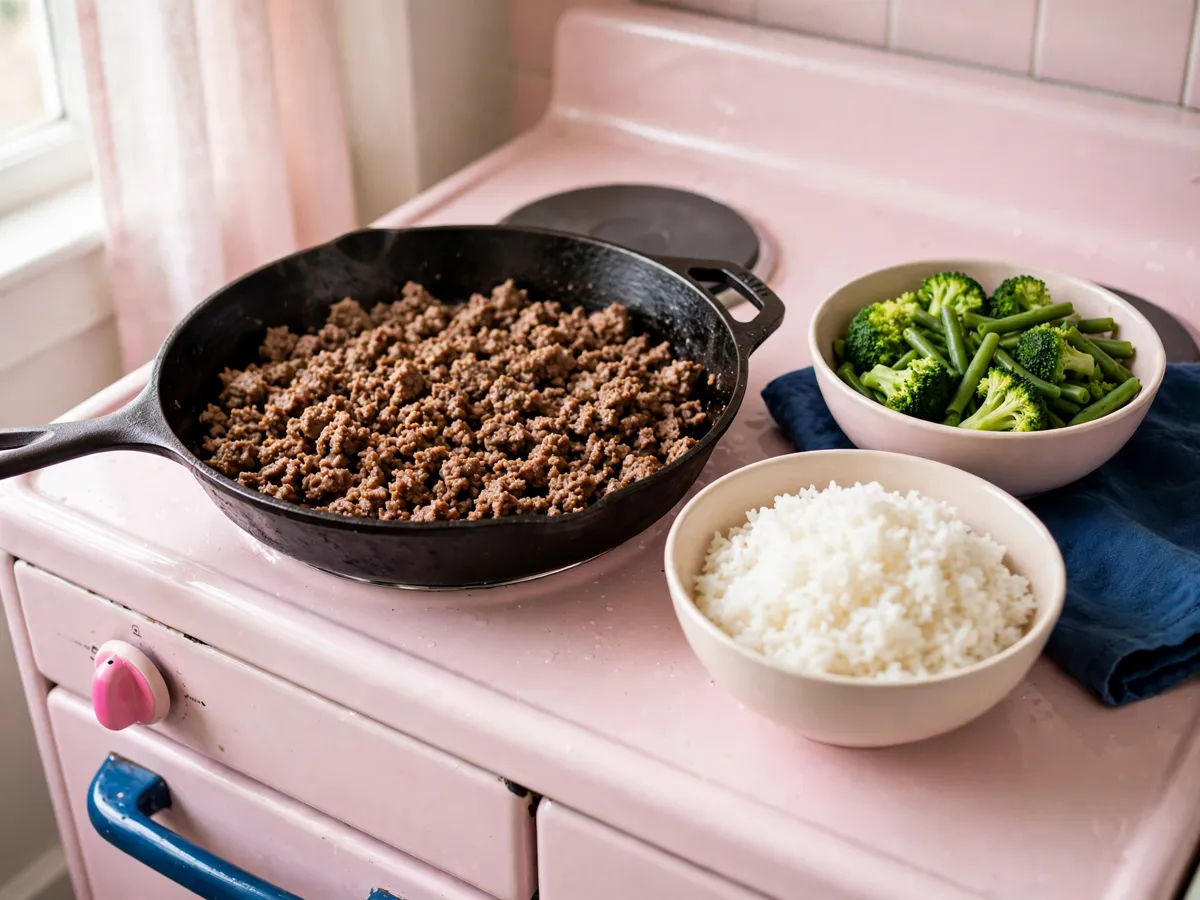
Why ground beef is the entry point
Ground beef asks for a single pan, no specialty equipment, and a price per pack that undercuts every other cut in the case. The leanest grind is usually the cheapest one too, which turns the obvious objection on its head while the pan is still cold.
The honest side of the pitch: this is a rotation bowl before it is a diet. Rice and vegetables round the bowl out, the storage clock starts the moment the pan cools, and the nutritionist consult in the section below belongs in front of any every-day plan.
Pick the leanest grind
Small amounts of lean cooked chicken, turkey, beef or pork with no bones and no seasoning are fine to share. Beef sits on that list with the rest. What makes the beef bowl work starts at the meat counter: pick the leaner grind, and trim whatever the grinder missed once the beef is browned.
The shareable part is the meat itself, cooked plain. Seasoning, marinades and anything the meat was soaking in stay on the human side of the kitchen, because the flavor packets that make dinner good for people are the part a dog does not need.
The raw-handling rule
Raw meat and raw eggs can carry salmonella and E. coli, and cooked bones can block a gut and need surgery. That is the whole reason this bowl starts at the pan and never at the counter: everything the dog eats gets cooked through, and nothing bone-in comes anywhere near the batch.
Raw-handling housekeeping runs the same way it does for our own dinner prep. Wash hands before and after, keep the board for raw meat separate, wash the pan and the counter after the browning, and keep the dog out of the kitchen until the surfaces are clean again. If anything raw touches something the dog will eat, that thing gets washed too. No home remedy replaces the wash.
Browning and draining
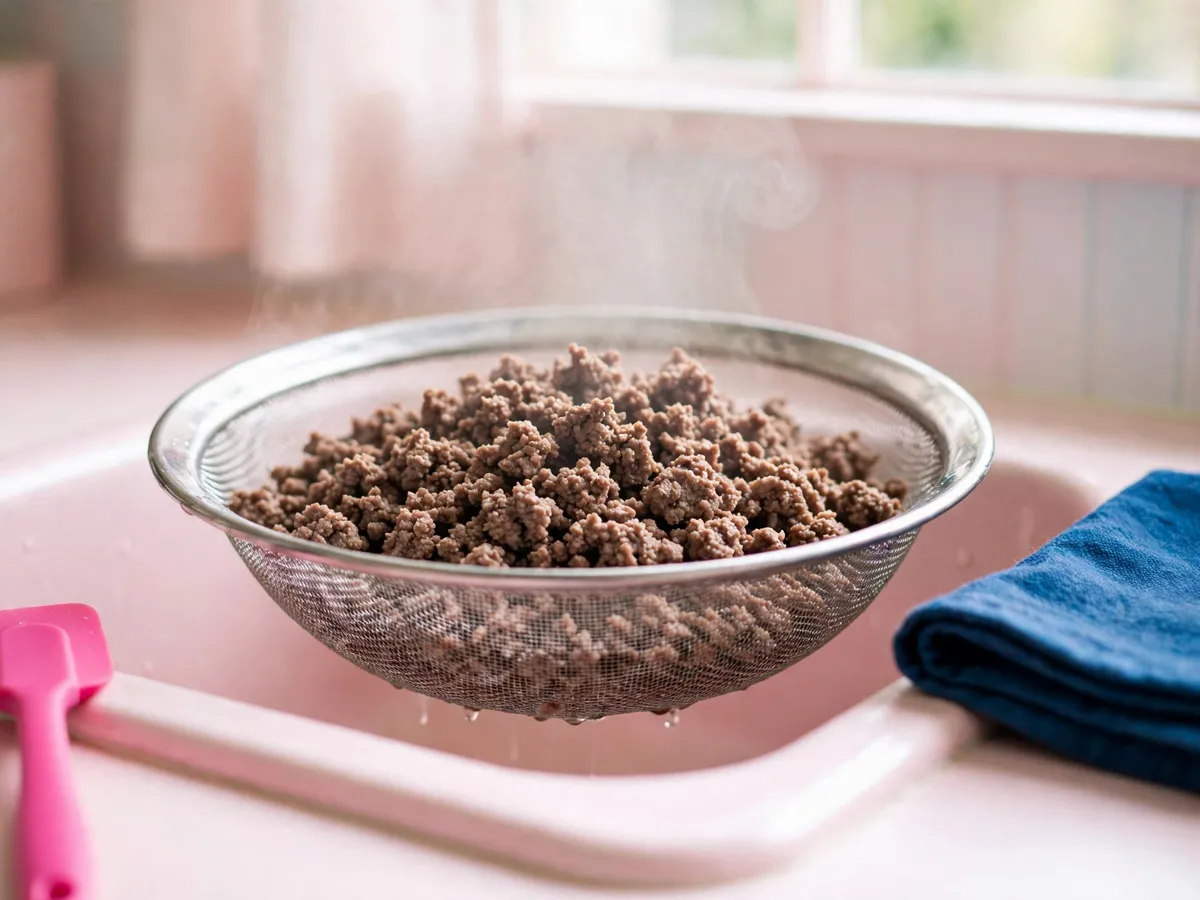
Brown the beef fully in the pan, breaking it apart as it cooks, so no pink survives anywhere and no gloss swims on the surface when the pan tilts. When the pan carries more fat than the batch needs, pour the rendered fat off before anything else joins the meat. Rinse the beef in a strainer only if the bag itself was greasy enough to defeat the drain.
Done is a texture, not a clock: no pink, no gloss, and the crumble holds together in a pinch. Rice and sweet potato stir in after the drain, never during it, so the grains soak up flavor instead of fat.
What stays out of the pan
Onion, garlic and chives belong to the allium family and can damage red blood cells, so they stay out of every homemade batch. That is the line worth writing on a card and taping inside the cupboard, because alliums hide in leftovers, broths and seasoning blends that look harmless on the counter.
The rest of the keep-out list rides along with every batch: seasoned leftovers, gravy, and bone-in scraps all stay on the human side of the kitchen. Our toxic foods dogs can't eat list gathers the never-lines in one printable place, and it is the reference this page defers to.
The starch and the greens
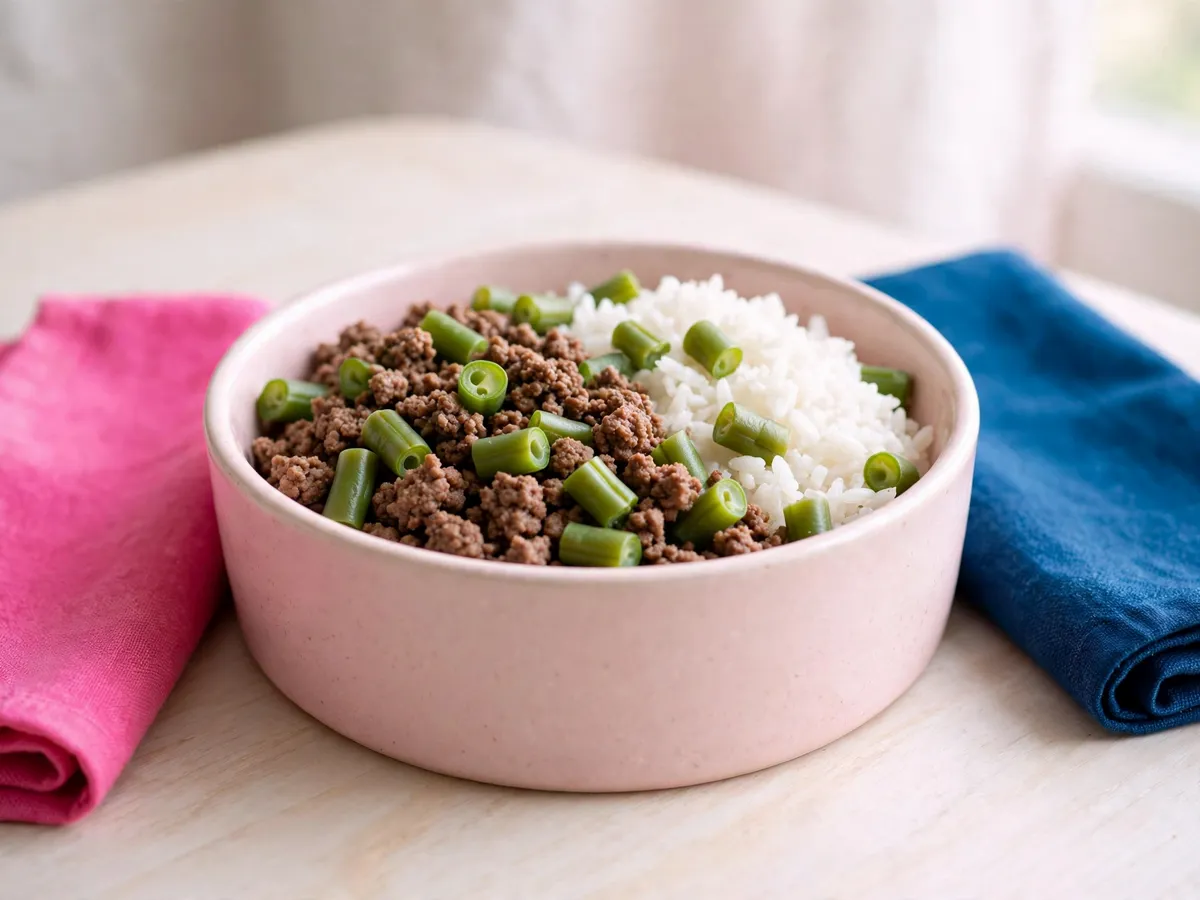
Rice carries the bowl. Cook it plain, no butter and no salt, and stir it through the drained beef until the mix reads as a meal instead of a topping. Sweet potato mashes into the same pan for the bowls that want a softer texture, and it sweetens the batch the honest way, by being food.
Plain steamed vegetables finish the batch. Nothing seasoned, nothing sauced, nothing that arrived from the dinner plate. Stir the greens through warm so they soften into the batch, and the whole pan cools into something the fridge can hold and the dog can finish.
The three-day rule
Homemade dog food keeps about three days in the refrigerator and a month or two in the freezer, depending on how it's sealed. That is the storage rule for the whole page, and it is why the batch gets labeled the day it cools: sealed container, date on the lid, oldest tub at the front of the shelf.
If the week runs out before the batch does, the freezer takes the rest flat in bags and thaws overnight in the fridge. No tub gets a second life past the rule, no matter how good it still smells by the time the jars run empty.
Why the consult matters
For pet owners who prefer to feed home-prepared diets, a consult with a board-certified veterinary nutritionist is recommended. The follow-the-recipe-exactly part matters here too: whatever recipe a nutritionist hands over is the recipe that gets followed, not improvised at the counter on a Tuesday.
The reason for the consult is bigger than caution. The majority of homemade pet-food recipes published in books and online, even those written by veterinarians, do not provide complete and balanced nutrition. That is the honest frame for this page: the beef bowl is a rotation or a topper unless a nutritionist signed it, and the how to read a dog food label walkthrough shows what the bag is already covering while the bowl plays its part.
Questions about the ground beef bowl
Can I feed my dog ground beef alone?
A modest scoop of plain cooked beef is fine as a share, and that is where its job ends. Beef on its own is one ingredient, and a bowl built from one ingredient misses everything the rice and vegetables carry. On this page the beef stays a generous topper, and the rest of the bowl does the rest of the work.
Why drain the fat after browning?
Browning renders fat into the pan, and leaving it there makes the stored batch greasy and quick to turn. Pour the rendered fat off before anything else joins the pan, and the batch keeps its texture through the whole fridge stretch.
Can I use the crockpot instead?
This page stays on the stovetop because browning and draining are the steps that earn the beef bowl its keep. If a slow cooker is your Sunday setup, our easy crockpot chicken dog food recipe walks that exact appliance, bowl by bowl.
Does my dog need supplements with homemade food?
That question belongs with a professional, and the honest answer is bigger than supplements. Anyone set on a home-prepared diet should sit down with a board-certified veterinary nutritionist before a recipe becomes the whole bowl. Ask at your next vet visit rather than at the shelf.
How do I switch my dog from kibble to this bowl?
Slowly, and with that nutritionist conversation in mind. Start by stirring a small spoonful of the new bowl into the usual kibble, watch how the following days go, and let your vet set the pace rather than a day-by-day schedule invented on a webpage.
Set up the beef batch
Grind, grains and storage
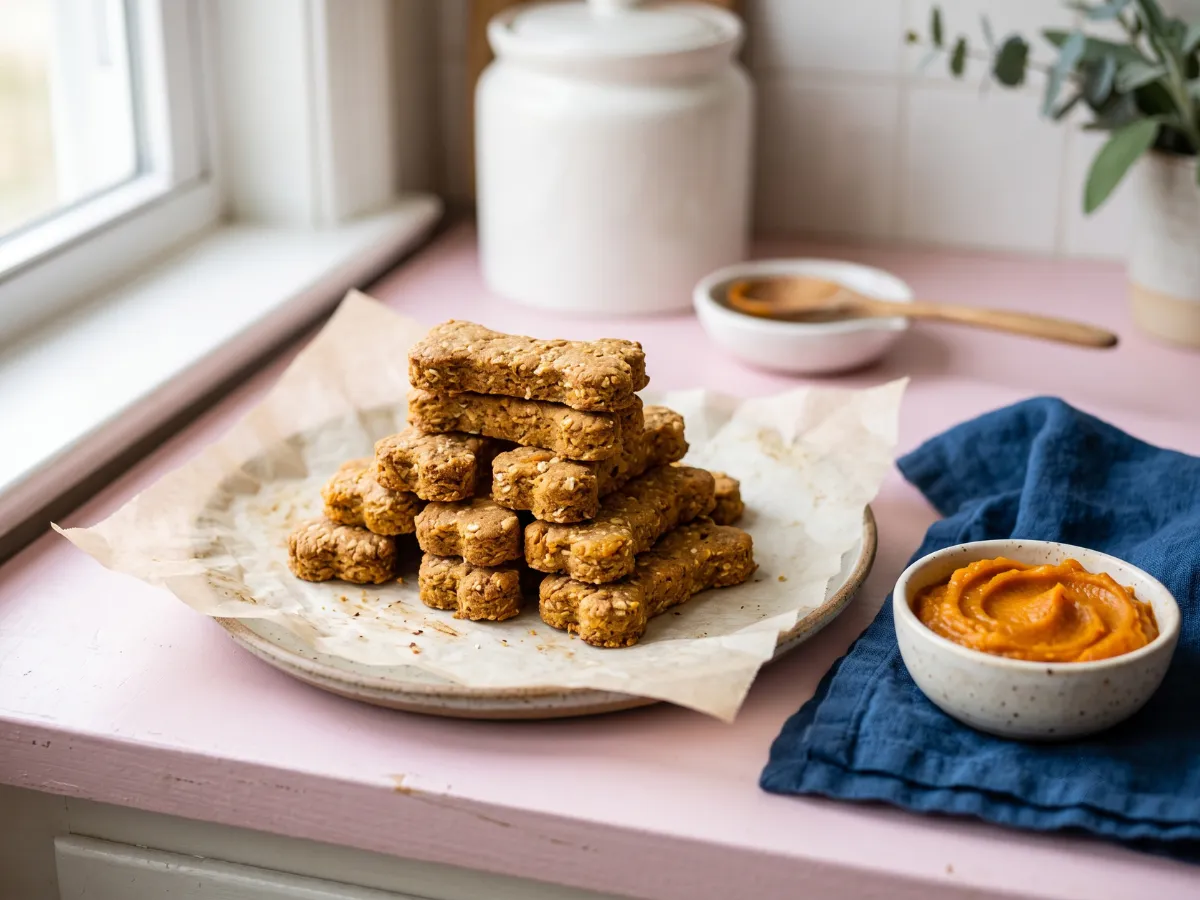
Lean ground beef, plain rice and sealed containers — the whole beef-bowl kit in one list.
See what we use →As an Amazon Associate we earn from qualifying purchases.
Save these on Pinterest
Pin the beef bowl for Sunday batch day. The Dog Food collection holds the crockpot sibling, the storage rules and the rest of the rotation. For informational purposes, consult your vet.