 PawStyle Daily
Cat-Friendly Apartment Decor
Bonsai Trees and Cats: A Species-by-Species List
A bonsai tree on a windowsill is a small, quiet piece of a room, and a cat in the same room is a creature that notices small, quiet pieces. The two can live together, and the two can also clash. The clash is the one this page sorts out. A species-by-species list tells you which bonsai belong in a cat home and which do not, and the rest of the page tells you what to do if a cat reaches one and how to keep the plants the cat cannot have out of reach. Nothing here names a brand, and nothing here replaces a veterinarian.
By PawStyle Daily · Updated 19 November 2026
Safe species and toxic species · what to do if a cat chews one · display out of reach.
Why a species list matters in a cat home
A cat is an animal that explores with its mouth, and a plant on a shelf is a thing a cat can reach on a curious night. The species is the piece that decides whether a nibble is nothing or something, and the species is the one a list sorts out. A cat home is not a home without plants; a cat home is a home with the right plants, and the right plants are the ones this page names.
The list splits into two halves. The first half is the species a cat can live with, and the second half is the species a cat cannot. The two halves are not a judgment on the beauty of the tree; the two halves are a judgment on the chemistry the tree carries, and the chemistry is the piece a cat's body answers to.
A bonsai tree is one piece of a cat-friendly room, and the room has other pieces. The apartment houseplants guide holds the wider plant list, and the balcony ideas for cats page holds the outdoor half. A bonsai tree is the small piece, and the two pages hold the rest of the room.
The species a cat can live with
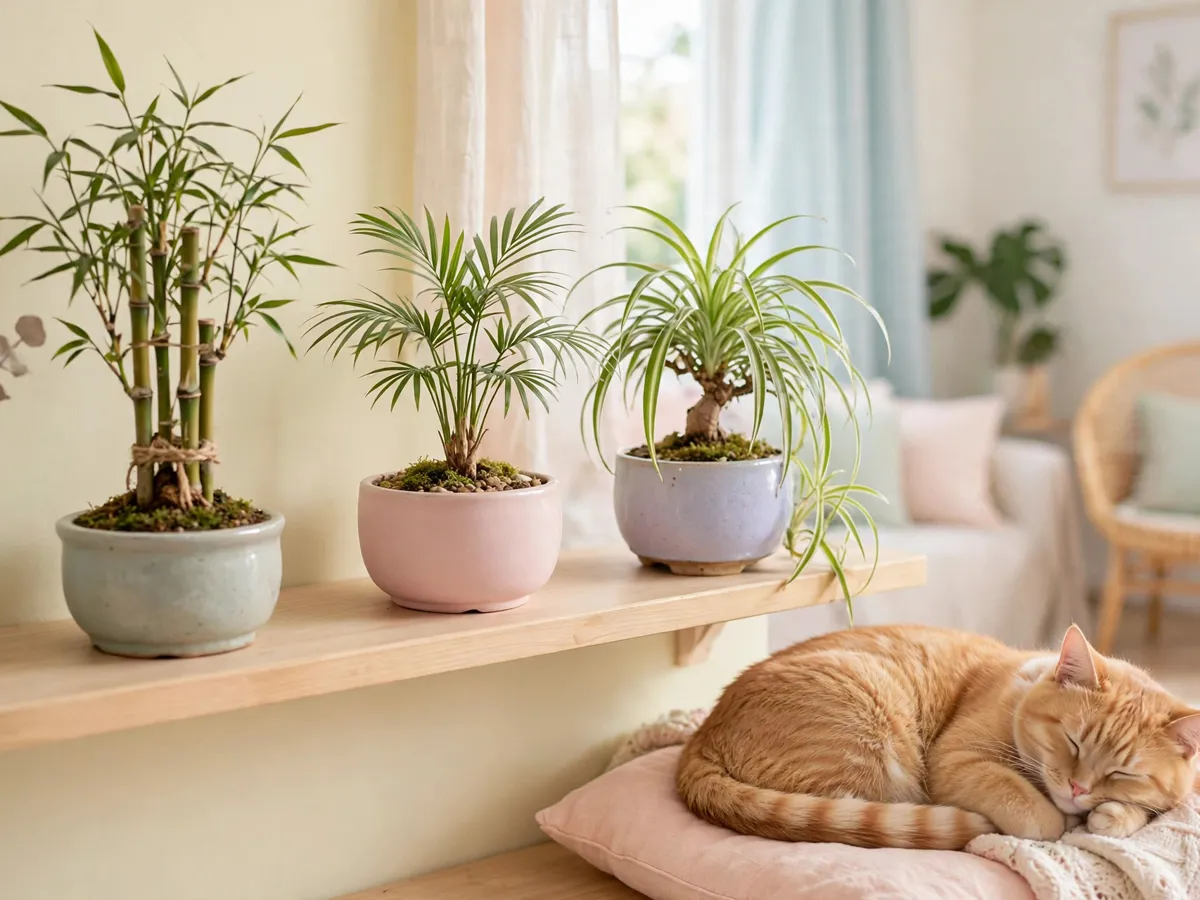
The safe list is the one a cat home can fill a shelf with. Bamboo palm is a species a cat can brush past without trouble, and the palm carries the soft, full look a bonsai shelf wants. Spider plant is a species a cat can chew without harm, and the plant carries the arching, variegated shape a windowsill likes. The two are the ones a cat home can keep at any height, and the two are the ones a cat can reach without the family worrying.
Parlor palm is another species a cat can live with, and the palm carries the narrow, upright form a small apartment shelf fits. Money tree is a species a cat can brush past, and the tree carries the braided trunk a bonsai display likes. The two are the ones a family can keep on a low table, and the two are the ones the cat can inspect without the family moving them.
The safe list is not a license to let a cat graze. A cat that chews any plant can upset its stomach, and a stomach upset is still a thing the family notices. The safe list is the list a cat can live with, and the safe list is not the list a cat should eat. The difference is the one the family keeps, and the family is the one that watches the shelf.
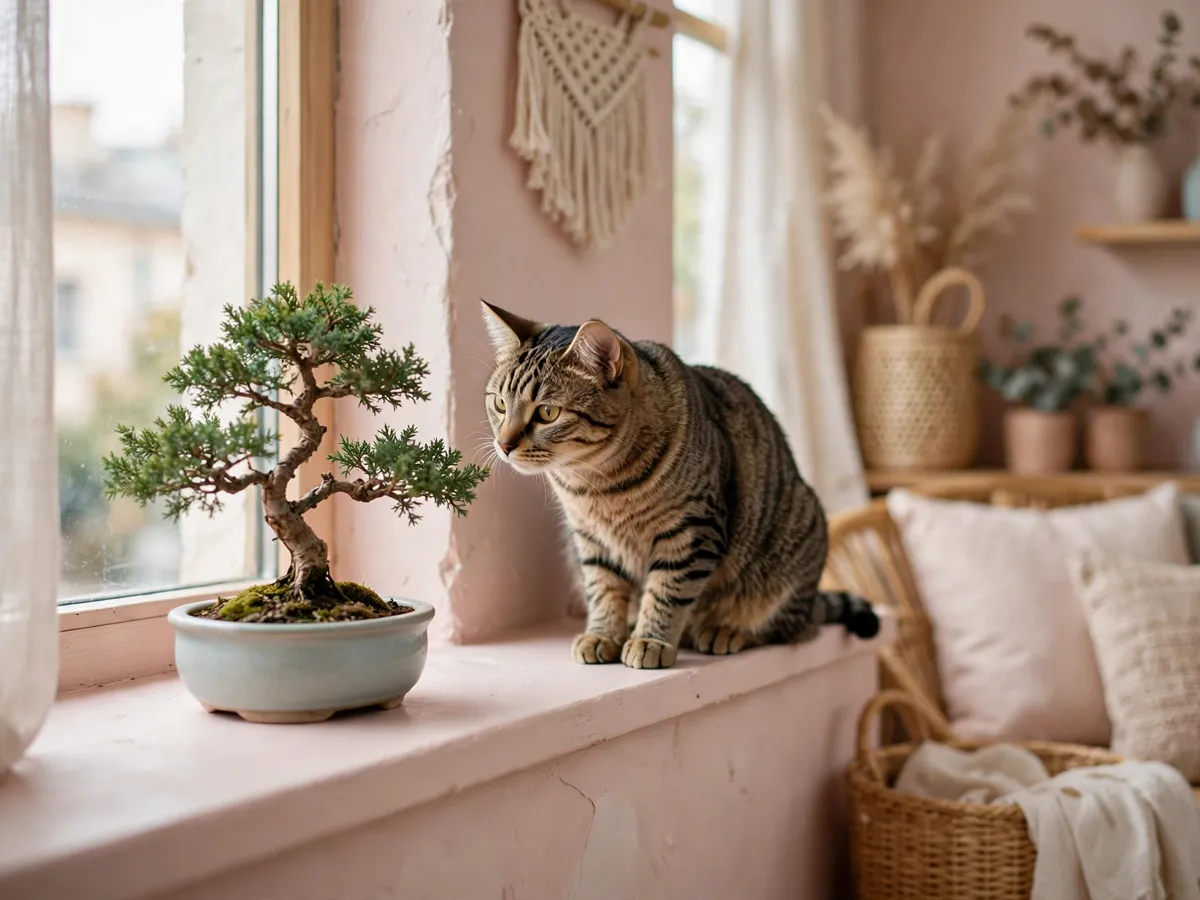
The true bonsai species are the harder part of the list, because the trees a real bonsai grower works with - the junipers, the maples, the ficus - are the ones the list does not clear for a cat. A juniper is a tree the cat can find and the tree the list cannot clear, and the maple carries the same problem. The family that wants a true bonsai shape is the family that keeps the shape high, and the high shelf is the piece that lets the shape and the cat share the room. The look of a bonsai and the safety of a species are two different things, and the two are the ones the family sorts before the shelf is filled.
The species a cat cannot have
The toxic list is the one a cat home keeps out of reach or out of the house. Sago palm is the species a cat cannot have, and the palm is the one a bonsai shelf often carries. The sago is a plant the cat can reach and the plant the cat should not, and the family is the one that decides whether the sago stays high or goes.
Jade is another species a cat cannot have, and the jade is the one a windowsill often holds. The jade carries the plump, glossy leaves a cat can find, and the leaves are the piece the cat should not chew. Aloe is a species a cat cannot have, and the aloe is the one a kitchen window often holds. The aloe carries the bitter sap a cat can reach, and the sap is the piece the cat should not lick.
The toxic list is the one the family moves. A sago on a high shelf is a sago the cat cannot reach, and a jade in a hanging planter is a jade the cat cannot reach. The move is the piece that keeps the tree and the cat in the same home, and the move is the work the next section walks through.
What to do if a cat chews one
A cat that chews a plant is a cat the family watches. The watching is the piece that tells the family whether the chew was nothing or something, and the watching is the one the family does for the rest of the day. A cat that chews a toxic species and then drools, vomits or stops eating is a cat the family takes to the veterinarian, and the veterinarian is the one that decides what the chew means.
A cat that stops using its box needs a veterinarian, because house-soiling has its own veterinary guidelines. That line is the one a chew can sit behind. A cat that chews a plant and then stops using the litter box is a cat with two signs, and the two signs point the family to the same door. The veterinarian is the one that sorts the signs, and the family is the one that carries the cat there.
The species the cat reached is the piece the veterinarian asks for, and the family is the one that notes it. A photo of the plant or a leaf in a bag is the thing the veterinarian can read, and the reading is the piece that tells the veterinarian what the cat took in. The note is the one the family makes on the way out the door, and the note is the one that matters most.
The kitchen is the other room the cat can reach, and the kitchen holds things the cat should not. Raw dough can swell in the stomach and bloat, and the yeast in it turns into alcohol as it sits there. That line is the one the kitchen sits behind. A cat that reaches the counter and finds a ball of dough is a cat the family takes to the veterinarian, and the dough is the piece the family moves before the cat finds it.
How to display plants out of reach
The display is the piece that keeps the toxic species and the cat in the same home. A high shelf is the one a cat cannot reach, and the shelf is the one a bonsai tree likes. A hanging planter is the one a cat cannot reach, and the planter is the one a trailing species likes. The two are the pieces the family uses, and the two are the ones that keep the display and the cat apart.
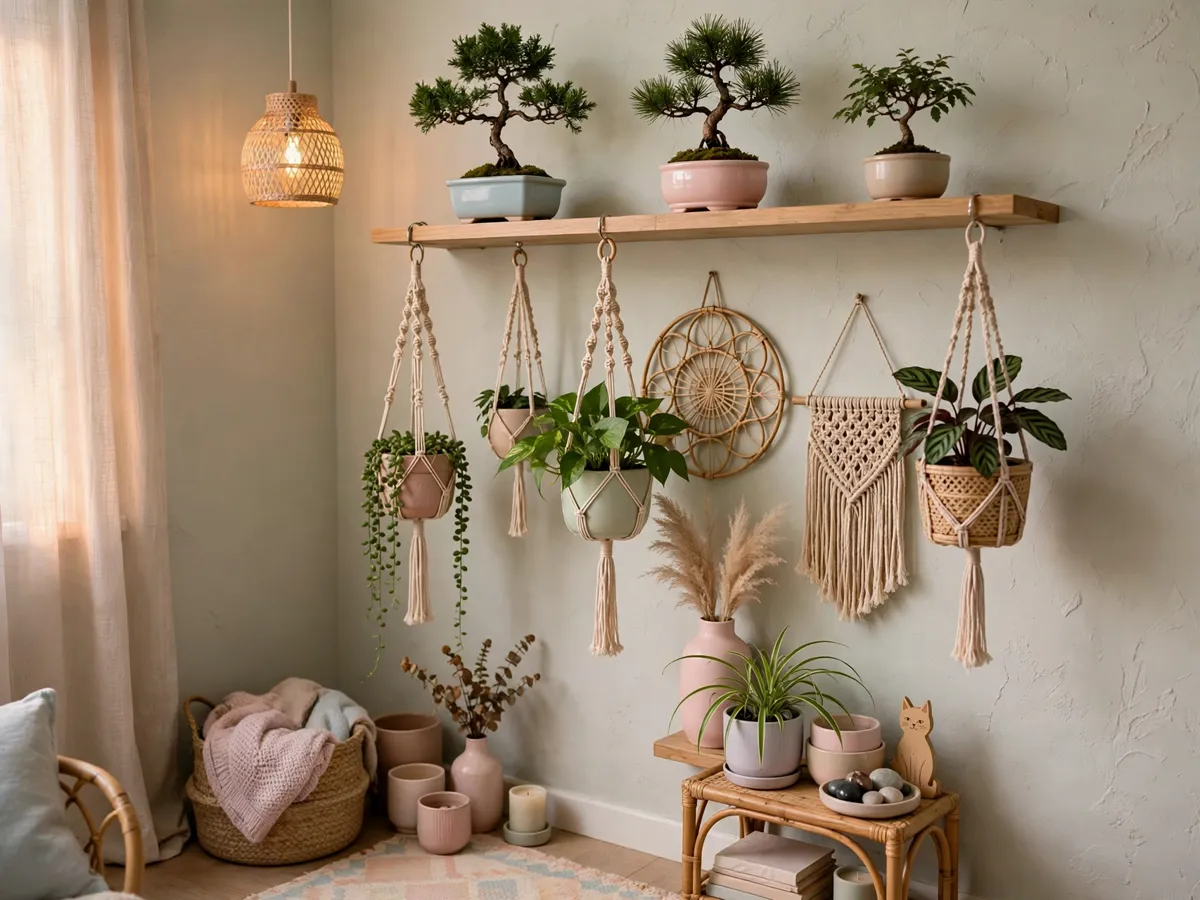
A rotation is the other piece. A family that keeps the safe species low and the toxic species high is a family that lets the cat inspect the shelf without the family worrying. The rotation is the work the family does when the seasons change, and the rotation is the one that keeps the display fresh and the cat out of the plants the cat cannot have.
The display is the same work as any apartment plant display, and the cat-proofing is the piece the family adds. A shelf that holds a bonsai is a shelf that holds a cat's attention, and the family is the one that keeps the two apart. The work is small, and the work is the one that lets a cat home keep its trees.
The soil and the water are the last pieces, because a bonsai is a plant the family waters more often than the cat drinks. A drip tray under the pot is the piece that catches the overflow, and the tray is the one the cat should not be able to reach, because standing water in a tray is water a curious cat may drink. The family that empties the tray after each watering is the family that keeps the display and the cat safe at the same time. The work is the same small work the rest of the display asks for, and the routine is the one the family runs once and then keeps.
Questions about bonsai trees and cats
Are all bonsai trees bad for cats?
No. Some species like bamboo palm and spider plant are fine in a cat home. The sago palm and jade species are the ones to keep out of reach or out of the house.
What happens if a cat chews a bonsai leaf?
A cat that chews a plant and then stops eating, drools, or vomits needs a veterinarian. The plant species determines how serious it is, so note which one the cat reached.
Can I keep bonsai trees if I have a cat?
Yes, with high shelves, hanging planters and a rotation of cat-safe species. The cat-proofing is the same work as any apartment plant display.
Save these on Pinterest
Pin the species list for the next shelf you fill, or send it to a friend with a cat and a windowsill. The Cat-Friendly Home collection holds the houseplants guide, the balcony ideas page, and the litter and odor pages that run beside this one, so a family can keep the room the cat lives in.
For informational purposes, consult your vet.
One entry on the species list draws more mail than the rest, and the the money tree on that list page is that entry's full story.