 PawStyle Daily
Pet Holiday & Party
Valentine Candy Left Out Around Pets
Valentine Day brings a heart-shaped box of candy into the house and sets it on the table, and that is the moment the room changes for a pet. The box smells interesting, the wrapper crinkles, and the candle on the same table flickers at tail height. This is the short page on what stays off the floor, what stays watched, and which label to read before the box opens.
By PawStyle Daily · Updated 19 November 2026
Good to know: candy box on a high shelf · candles watched the whole evening · sugar-free label check before anything opens · for informational purposes, consult your vet.
Why Valentine Day needs its own candy check
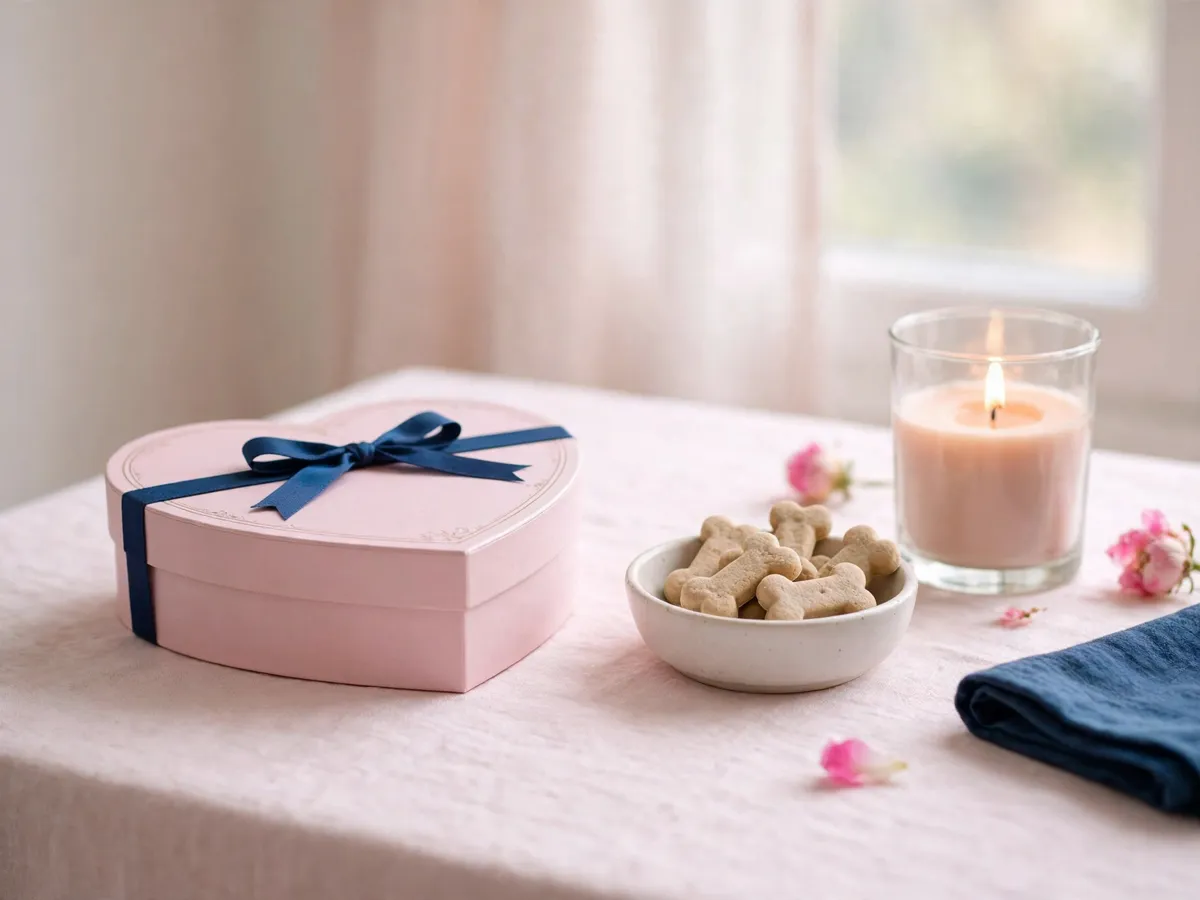
Most weeks the kitchen counter holds the same things. Valentine week adds a box of chocolates, a bouquet, and a candle, all on the same surface a dog or a cat crosses every day. The box is wrapped, but the wrapper is not a seal, and a determined nose finds the seam. The bouquet carries greenery that does not belong in a mouth. The candle shares a doorway with a tail that swishes.
The fix is not a list of fears. It is three habits: the wrapped pile stays off the floor and on a high shelf, the candle stays watched the whole evening, and the ingredient label on any sugar-free product gets read before the box opens. Those three moves turn the evening back into a regular night for the pet.
The same three habits run through the Christmas pet safety checklist and the New Year's Eve pet safety page. Each holiday brings its own pile of wrapped things, and the shelf and the watched candle are the same answer every time.
Chocolate and sugar-free candy: the two hazards
Chocolate in all forms, especially dark and baking chocolate, is very dangerous for dogs and cats, and sugar-free candy with xylitol causes serious problems.
Those are the two lines on the Valentine box. The chocolate side is the one most people know: the darker the chocolate, the more of the compound it carries, and a baking bar is worse than a milk-chocolate heart. The sugar-free side is the one people miss, because the box reads "sugar-free" on the front and the hazard is on the ingredient panel in small print. Both hazards live in the same heart-shaped box, and the box stays closed until the label is read.
A closed box on a high shelf is the answer, not a box on the coffee table with the lid on. A lid is not a seal, and a box at nose height is a box at nose height whether the lid is on or off. The shelf is the barrier, and the box comes down when a person is ready to open it and put each piece away after.
The full list of foods that never go near a pet lives on the keep-out list page. Chocolate and xylitol sit at the top of that list every Valentine week, alongside the grapes, raisins, onions and garlic that turn up in holiday cooking.
The sugar-free label check
If a product is labeled sugar-free, check its ingredient list for xylitol before it goes anywhere near a dog.
The front of the box says "sugar-free" and the ingredient panel says what the sweetener is. Xylitol is the one that drops a dog's blood sugar, and it goes by other names on some panels: birch sugar, wood sugar, E967. Any of those on the panel means the box stays on the people shelf and never on the pet shelf.
The check runs on candy, on gum from a coat pocket, and on any peanut butter jar that reads sugar-free. Valentine week is when the candy enters the house, but the label habit is the same one that runs on the peanut butter jar every week. The label is the source, not the brand name on the front, and not the color of the wrapper.
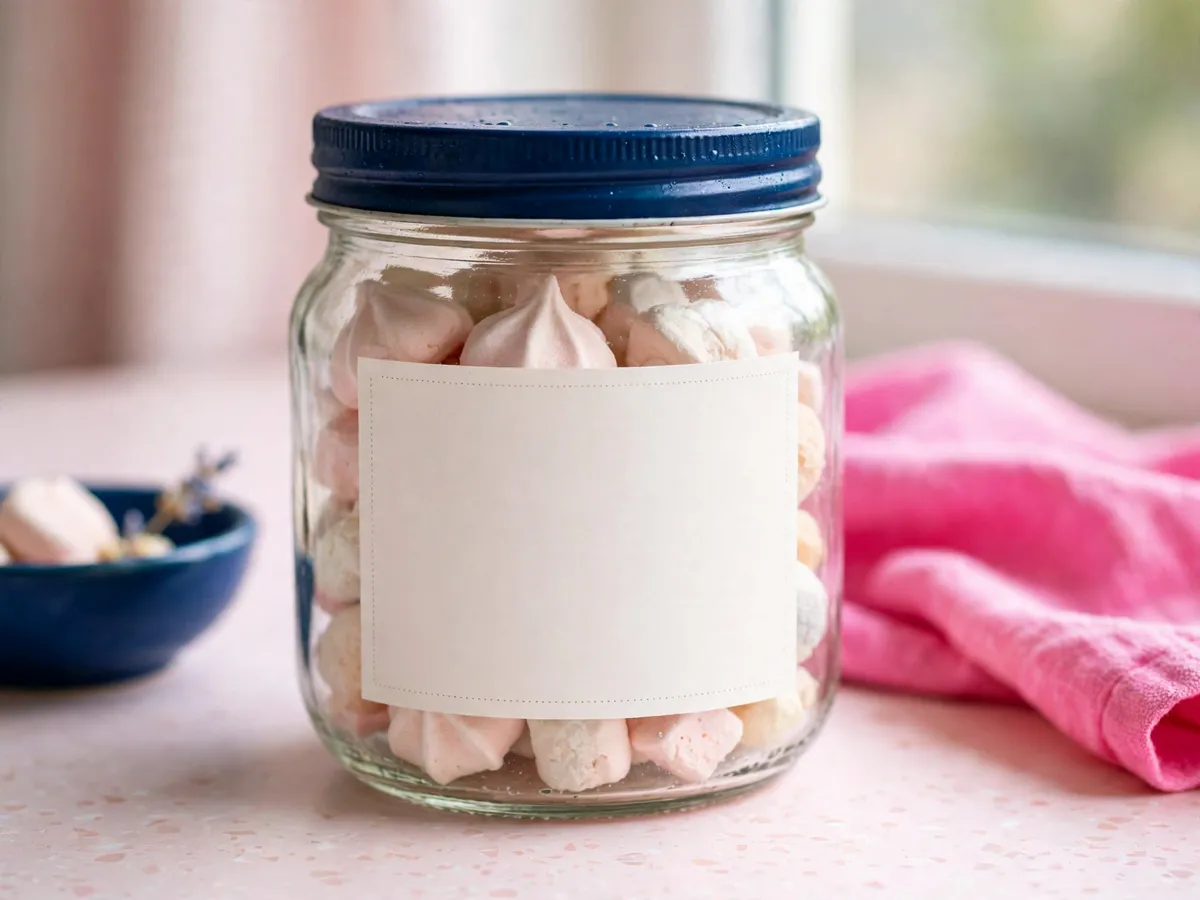
If a pet may have eaten a product with xylitol, call the vet or an emergency clinic right away and take the wrapper or the box. The label in your hand tells the clinic what was in it, and the label from memory does not.
The wrapped pile stays off the floor
Keep wrapped food and candy off the floor, and never leave candles unattended.
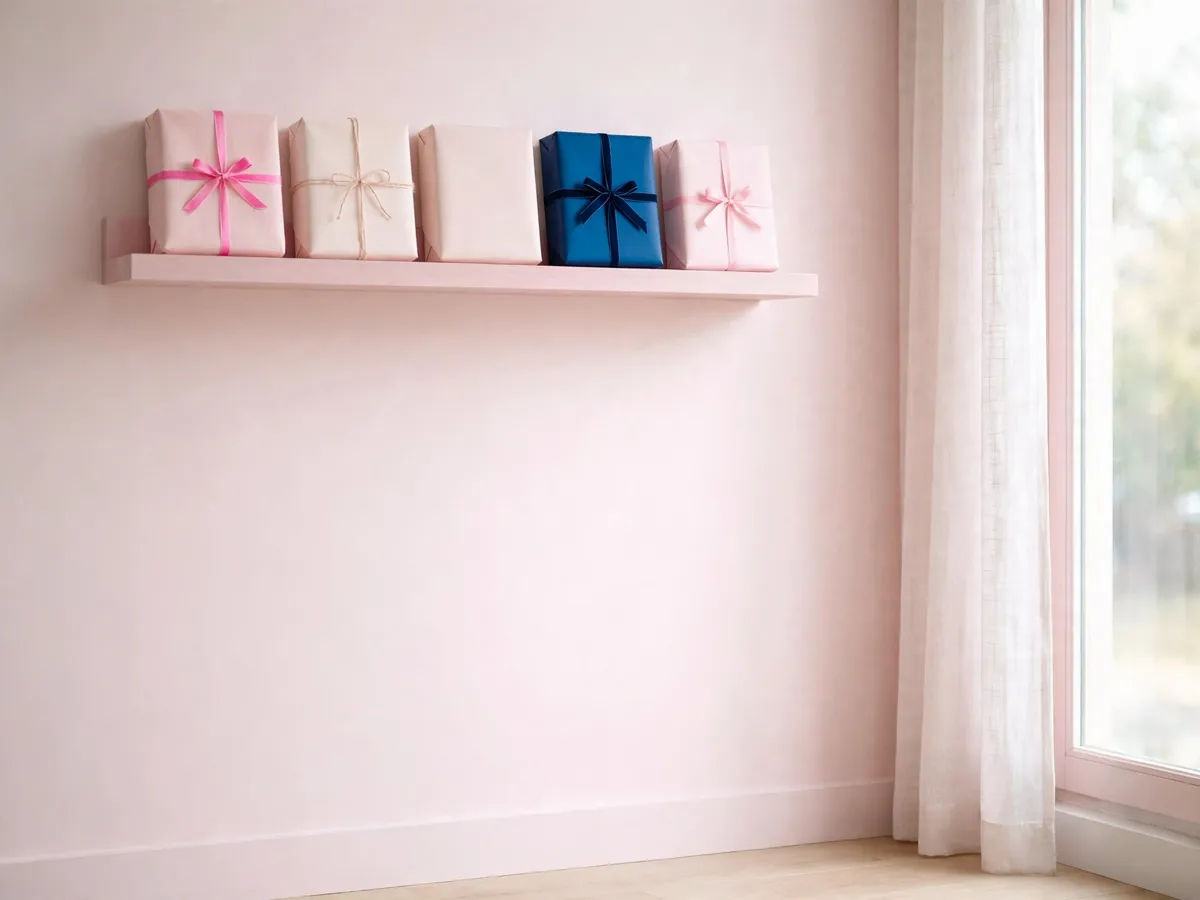
The floor is where a dropped candy lands, and a dropped candy is the one a dog finds before a person does. The wrapped pile on the floor is the same hazard as an open box on the table, because the wrapper is not a barrier to a determined nose. A high shelf or a closed cabinet is the spot, and the box comes down only when a person is ready to open it.
The same rule covers the gift basket with snacks, the tray of party food, and the loose candy in a coat pocket that ends up on the hall bench. Every one of those lives on a surface above nose height, and the floor stays clear of anything edible for the whole evening.
The candle stays watched
A lit candle and a swishing tail share one table for one evening, and the candle stays watched the whole evening. The watched candle is the rule, not the lit candle: a candle inside a glass lantern, on a back shelf, or replaced by an LED pillar is the candle that earns its place. An open flame on a low table is the one that comes off the table.
The same rule covers the tea lights on the dinner tray and the votive on the bathroom shelf. Each one goes in a glass holder, and each one goes out before the room empties. The evening lap before bed is the habit that catches the one a person forgot, and the lap runs the same way it does on the Christmas checklist: candles out, candy elevated, the surface below clear.
The dog-safe treat dish is the other half of the evening. A small ceramic dish of plain baked treats set apart from the candy box is the piece the pet gets when the people box opens. The dish is on a different surface, the treats are dog-safe, and the dog has a Valentine of their own that does not come from the people box.
Questions we get about Valentine candy and pets
What Valentine candy is dangerous for pets?
Chocolate in all forms and sugar-free candy with xylitol are the two main hazards. The wrapped box is not a buffet; it stays closed and off the floor.
Should I move the candy away from pets?
A high shelf or a closed cabinet is the spot. Wrapped food and candy off the floor is the rule, and the candles on the table stay watched the whole evening.
How do I check if a treat has xylitol?
Read the ingredient list on any sugar-free product before it goes anywhere near a dog. The label is the source, not the brand name on the front.
Save these on Pinterest
Pin the candy check for Valentine evening and keep the Pet Holiday collection for the safety pages that run the same shelf and candle rule on every holiday in the year.
For informational purposes, consult your vet.