 PawStyle Daily
Best Pet Supplies & Gift Guide
Dog Harness Sizing: Get the Right Fit
Most harness returns trace back to one of two things: a measurement taken in a hurry, or a size read off a weight range alone. This page is the slower, cheaper route. Two numbers, the two-finger test, and a plain way to read any brand’s size chart before you order.
By PawStyle Daily · Updated 16 November 2026
Amazon links on this page are affiliate links. As an Amazon Associate, PawStyle Daily earns from qualifying purchases. See the disclosure page.
Two numbers, taken properly
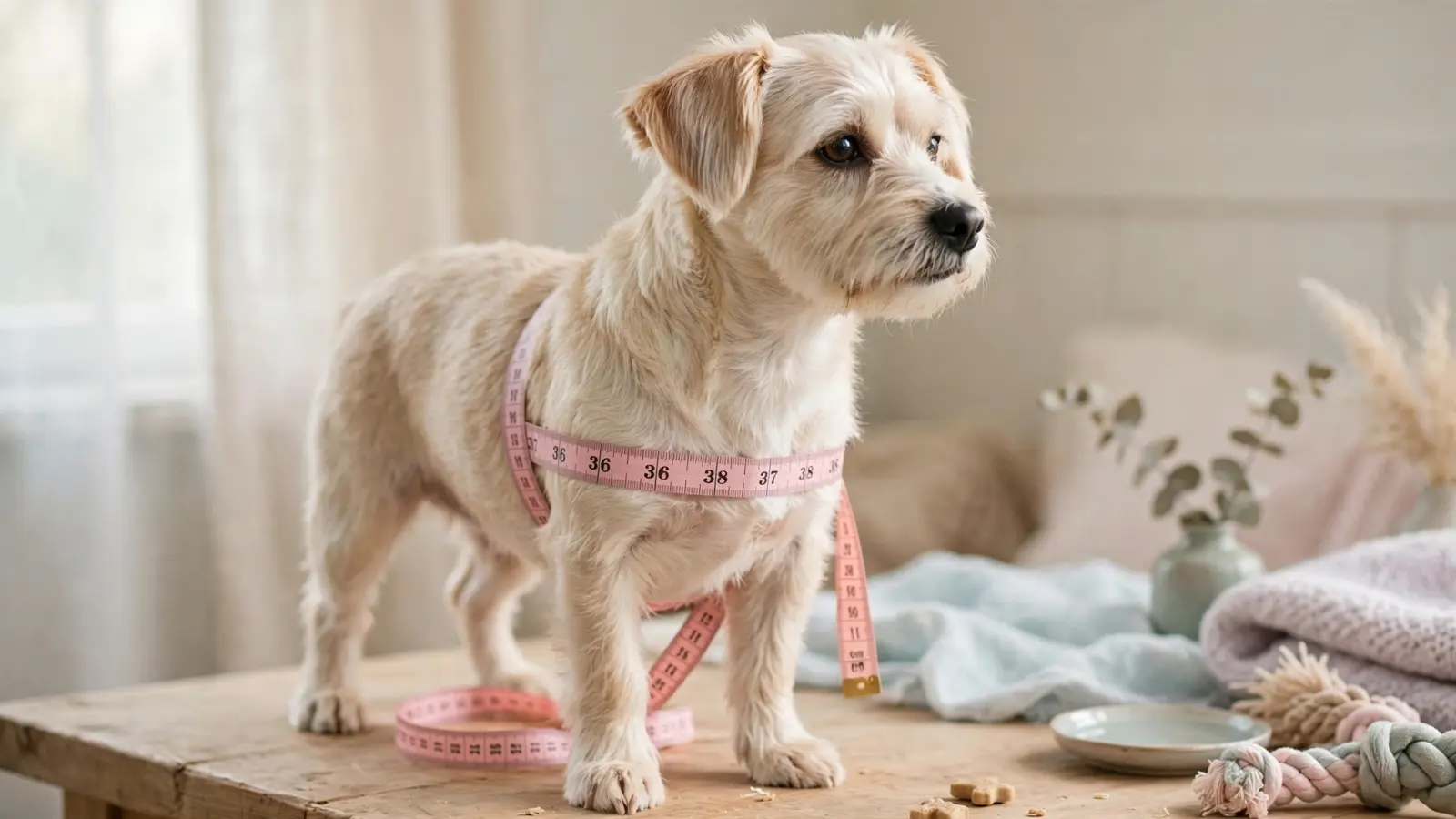
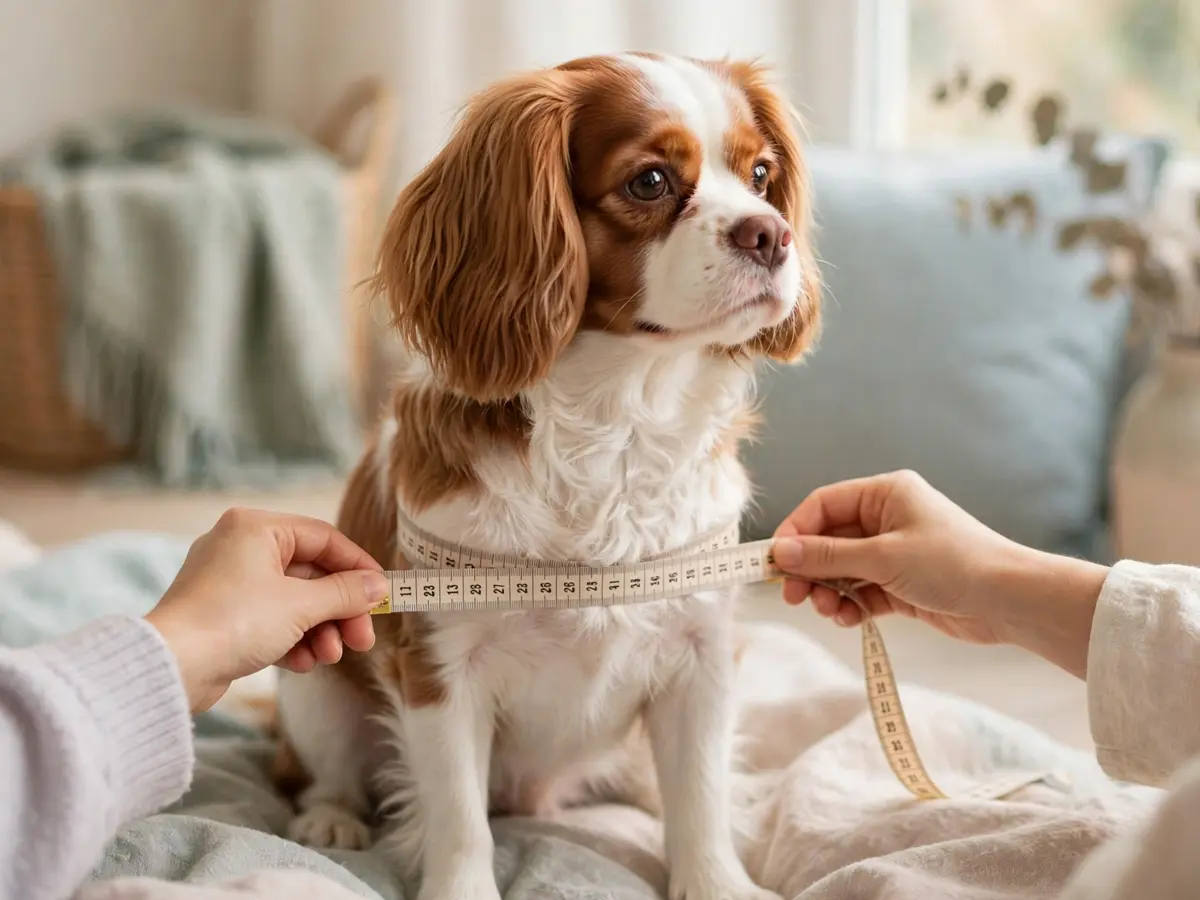
Harness sizing uses two measurements: the circumference at the base of the neck where it meets the shoulders, and the widest part of the chest, typically behind the front legs. That is the whole toolkit. Everything else on a listing — color, padding, clip style — comes after these two numbers are written down.
- Wait until the dog is standing on all fours and calm. A wiggly body moves the tape more than the harness ever will.
- Close the soft tape around the base of the neck, where it meets the shoulders. Keep it level all the way around and read the number.
- Slide the tape back to the widest part of the chest, usually just behind the front legs, and take the second pass.
- Take both measurements, then repeat them once to confirm the readings before you write them down.
- Write both numbers down with the date beside them, on the same page you will keep the receipt on.
A tape that rides up at the front reads smaller than the body really is, which is how a harness arrives too tight in the chest. If your dog wiggles, feed a small treat to a helper, or measure while the dog is busy sniffing a treat in your closed hand. The measurement is the part worth doing slowly.
A wiggly dog turns this into a two-person job, so make it one when you can: one person keeps the dog standing with treats while the other runs the tape. On your own, try right after a walk, when most dogs settle, and keep the session short enough that neither of you ends up frustrated. If the two passes disagree, write down both numbers and carry the larger chest reading forward to the chart. The notes are for you; the chart is for the harness.
The two-finger test
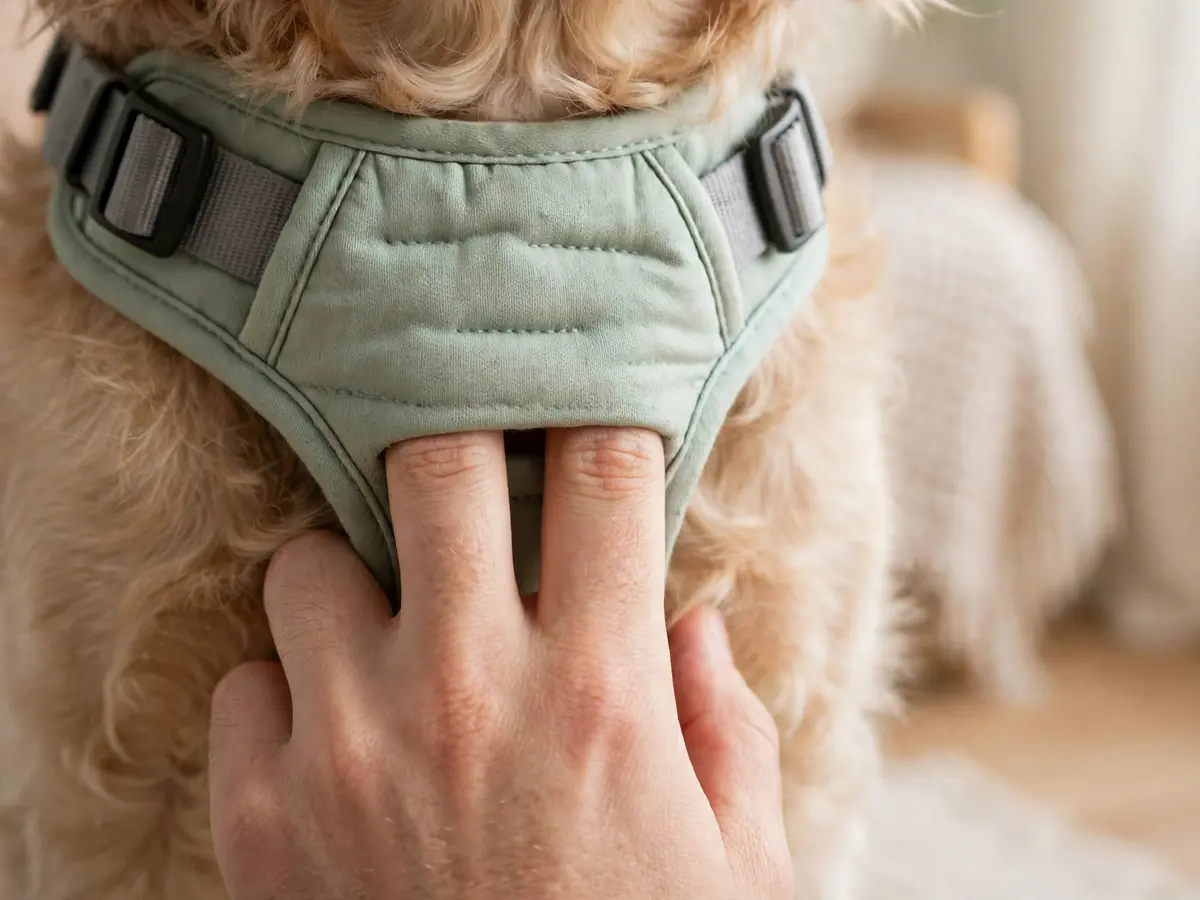
A harness should fit snugly but not uncomfortably: you should have to squeeze two fingers underneath a strap. Use the same check at the neck strap and chest strap. It gives you a simple way to assess the fit without relying on a size label alone.
Once the harness is fastened, watch your dog sit, stand and lower its head. Check whether the harness stays in place and remains comfortable through those movements. Recheck after the first walk and adjust only according to the fit instructions supplied with the harness.
Add the ears and eyes to the routine: standing still, then sitting, then a slow circle to the left and right, because few dogs walk a single straight line. Keep your hand near the leash clip as the dog settles, not pulling, just feeling for a twist or a strap that folds out of position. If the dog rolls on the carpet or lies down with a sigh, watch what happens to the belly strap instead of treating that as the harness’s final answer. The walk on a familiar route is the test that counts.
Same weight, different size
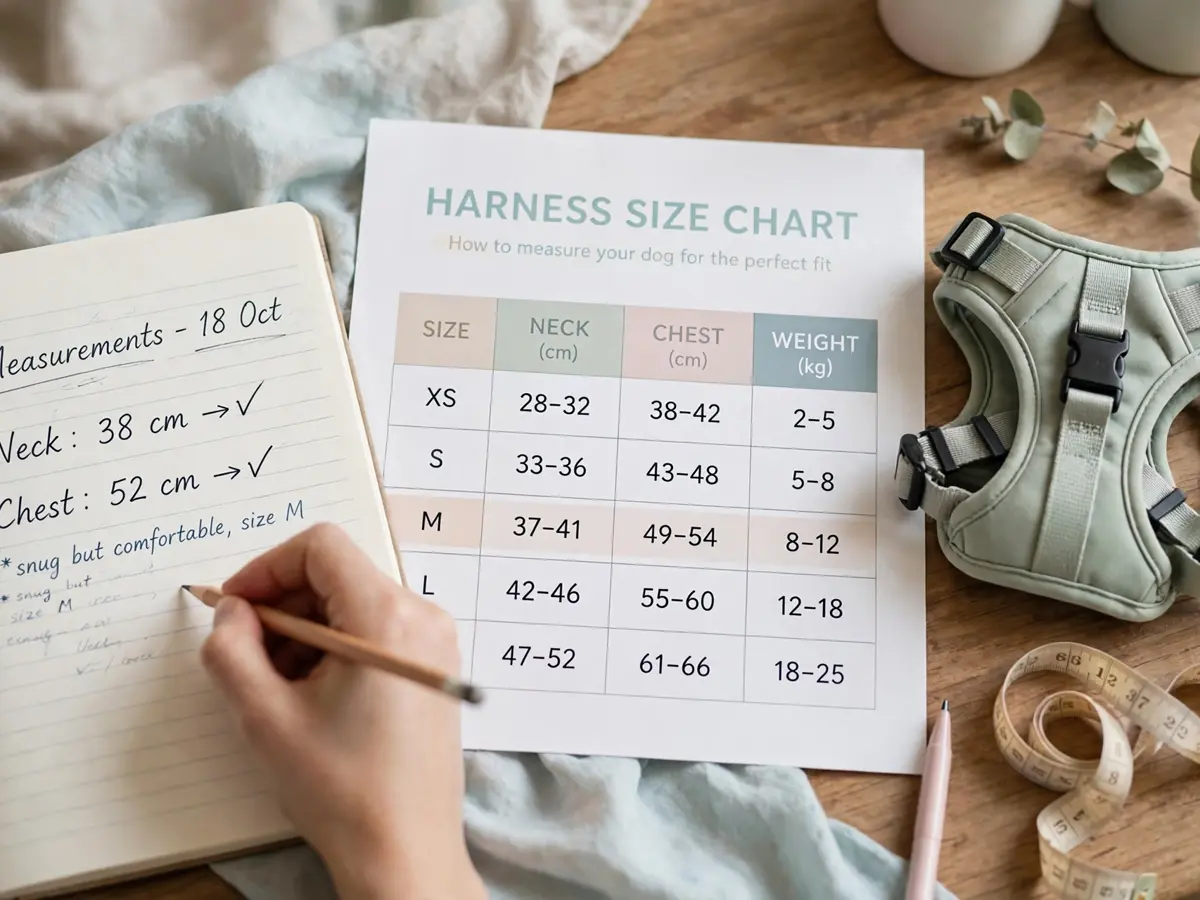
Two dogs can be the same height or weight and still need different harness sizes, because a harness fits the ribcage. Use the measurements listed for the harness and check the brand’s size chart before you choose.
Breeds make the same point in a different way. The AKC lists two Dachshund sizes, standard at 16 to 32 pounds and miniature at 11 pounds and under. For a Dachshund, our best harness picks for dachshunds covers breed-specific options.
Use the chart for the harness you are considering. Check the neck and chest entries on the chart and follow its own directions when choosing a size.
Reading any brand’s size chart
Check the brand’s size chart before ordering. Follow its directions and use the measurement labels shown on that chart.
- Find the measurement labels shown on that chart.
- Compare your dog’s measurements using the chart instructions.
- Contact the seller if the chart does not explain your result.
Always check the brand’s size chart and follow the instructions that come with the harness. Keep the chart available when the harness arrives so you can compare the selected size with the fit on your dog. If the chart does not explain a close call, ask the seller which measurement should guide the choice.
Front clip, back clip
On a front-clip harness the leash attaches near the chest and helps redirect a dog that pulls, while a back-clip harness attaches between the shoulder blades. A clip is never a training method by itself.
Harnesses may have a front clip, a back clip or both. Check where the leash attaches and make sure the harness remains comfortable through the movements your dog makes on a walk.
Whatever clip you choose, the walking practice is the other half. Basic commands with treat rewards covers the loose-leash side of the same walk.
Clip styles at a glance
| Clip style | Where the leash attaches | What it suits | What to watch |
|---|---|---|---|
| Front clip | Near the chest | A dog who leans into the leash on open ground | Check the fit and comfort when your dog moves |
| Back clip | Between the shoulder blades | A calm walker and a sniffy route | Check that the harness stays in place during movement |
| Both clips | Chest and back on one harness | A young dog whose walking changes with the route | Check each strap and clip before your walk |
A clip changes where the pull comes from; it never walks the dog for you.
The first fitting session
Keep the first session short, indoors, and heavy on the good associations. When treats are for training, keep each one as small as possible and count it against the day’s food. Work through the fitting at the dog’s pace and end while the harness still feels like a good thing rather than a wrestling match.
- Lay the harness on the floor and let the dog sniff it. Drop one small treat near it and let the dog take it.
- Fasten the chest strap with the dog standing, then the neck strap and check the fit at both.
- Let the dog move around indoors while you check how the harness sits.
- Watch whether any strap shifts when the dog changes position.
- Remove the harness calmly after the fit check.
For a young dog still growing, recheck the measurements and fit as the dog changes. Follow the brand’s size chart each time you compare measurements.
The fit check, in one box
- I checked the harness brand’s size chart.
- I wrote down the neck and chest measurements.
- I used the two-finger fit check: A harness should fit snugly but not uncomfortably: you should have to squeeze two fingers underneath a strap.
- I recorded which chart instructions I followed.
Ordering and the first week
The order itself is the part most people rush, so slow it down on purpose. Before you add the harness to a basket, read the return window and check it against the day the parcel is likely to arrive. A size that turns out wrong is only a small problem when the return is still open; it becomes an expensive one when the window has already closed.
Keep the packaging, the tags and the chart printout in one place until the fit check is done. If the harness needs to go back, the same page that holds the neck and chest numbers also holds the reason: which chart row you followed, which size arrived and what happened at the first fitting. A photo of the tape around the chest, taken before the order, is often the clearest record of where the mismatch started.
During the first week, treat every walk as a small check rather than a verdict. Look at the strap positions before the door closes and again when you are back, and note anything that moved. If a strap keeps sliding, stop guessing and contact the seller with the numbers you recorded; the brand’s own fit instructions are the ones that decide what to adjust.
Sizing worksheet to fill in before you order
| What you record | Why it matters | Where it goes |
|---|---|---|
| Neck circumference | The chart reads the neck on the same row as the chest | Line one of the dog's page |
| Chest circumference, larger of two passes | This is the number that decides the size | The row you read on the listing |
| Date of the measurement | A growing dog changes shape between two orders | Beside both numbers, every time |
| The chart's stated size for that row | Keeps the order and the worksheet from drifting apart | The same page, before the parcel arrives |
| Result of the first fit check | Shows whether the size that arrived matches the numbers | The notes beside the size, with the date |
One page per dog, kept with the harness receipt. A photo of the tape around the chest settles an argument with a size chart faster than memory does. Record the order date and selected chart row on that same page.
Questions we get about harness sizing
What measurements do I need for a dog harness?
Harness sizing uses two measurements: the circumference at the base of the neck where it meets the shoulders, and the widest part of the chest, typically behind the front legs.
How do I know if a harness fits?
A harness should fit snugly but not uncomfortably: you should have to squeeze two fingers underneath a strap. Look for a snug fit that remains comfortable as your dog moves.
Can two dogs at the same weight wear the same size?
Two dogs can be the same height or weight and still need different harness sizes, because a harness fits the ribcage.
How do I read a harness size chart?
Check the harness brand’s size chart and follow its instructions for comparing the neck and chest measurements.
Front clip or back clip?
On a front-clip harness the leash attaches near the chest and helps redirect a dog that pulls, while a back-clip harness attaches between the shoulder blades. Neither is a training method on its own; the fit and the practice do the work.
Sources
The measurement points, the fit test and the clip definitions come from the AKC guide to choosing a dog harness. The Dachshund size ranges come from the AKC Dachshund breed page.
Measure the neck and the chest, run the two-finger test under every strap, and re-check both numbers before the next order. For informational purposes, consult your vet.
What we use
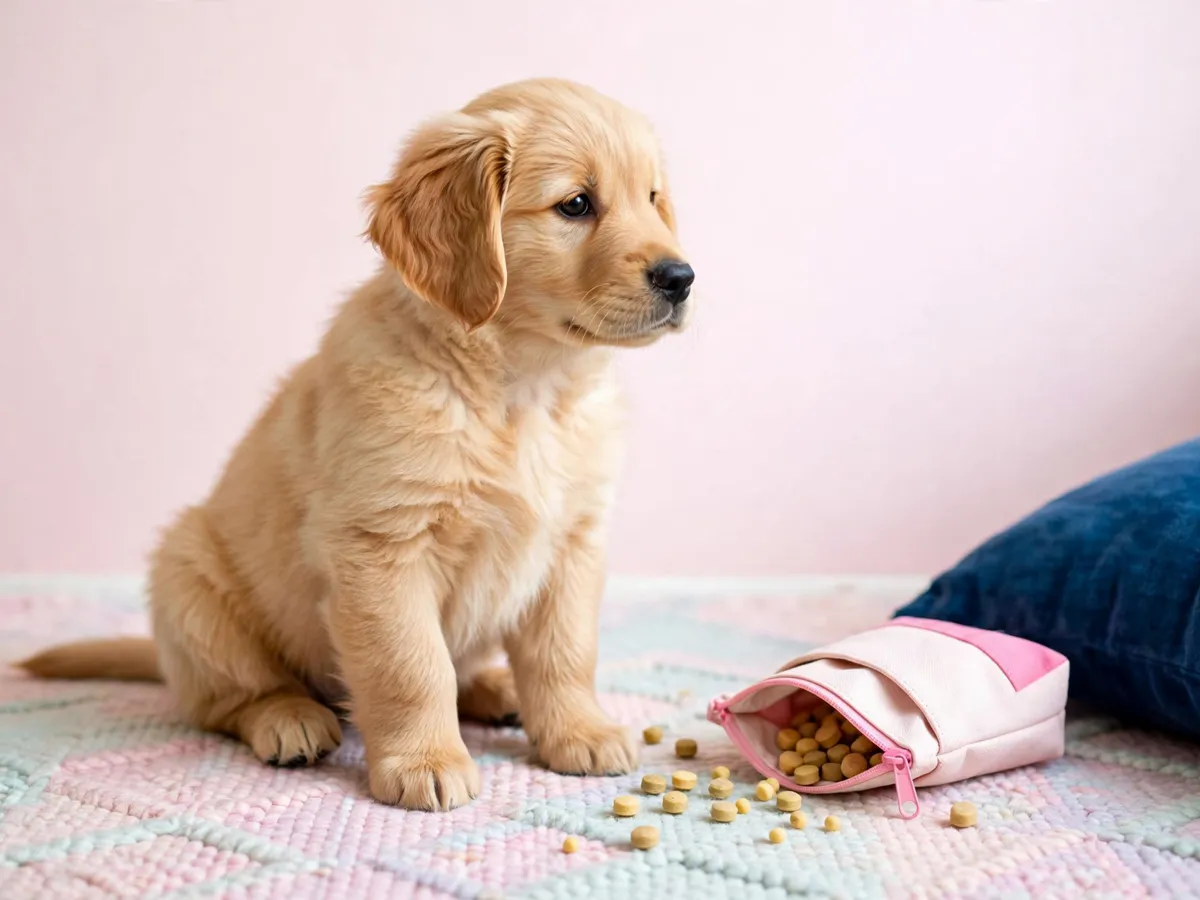
What we use for measuring and fitting days
Soft tape, treat pouch and the small gear that makes a first fitting session easy: gathered in one list.
See what we use →As an Amazon Associate we earn from qualifying purchases.